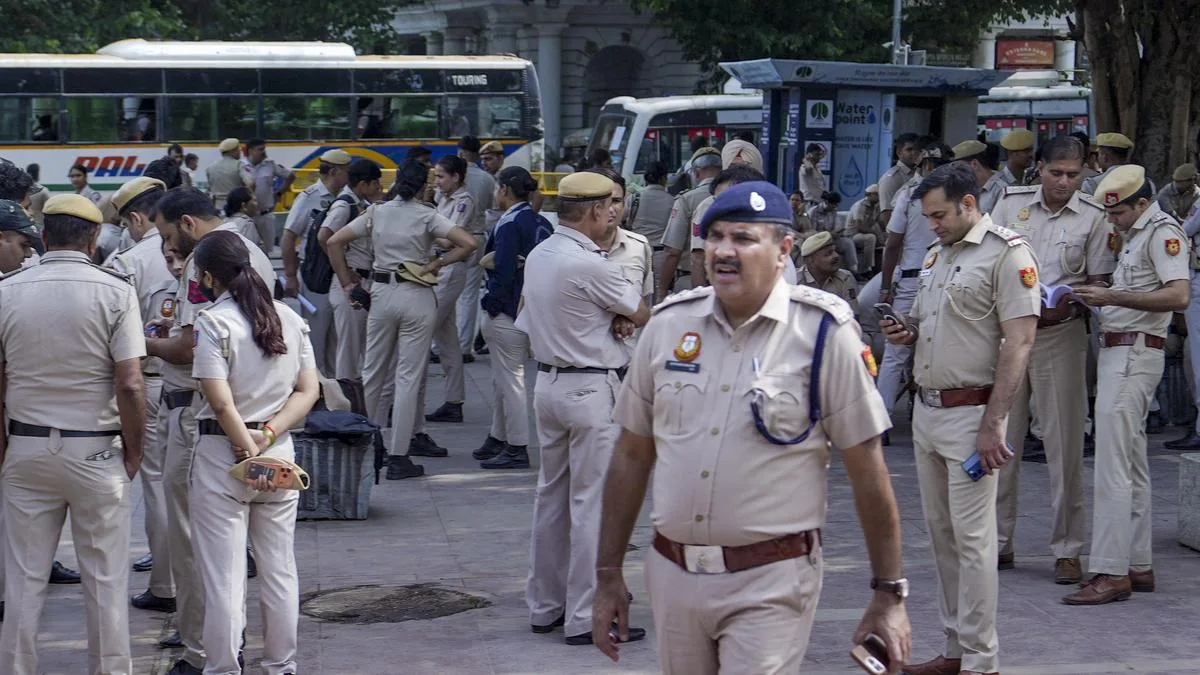
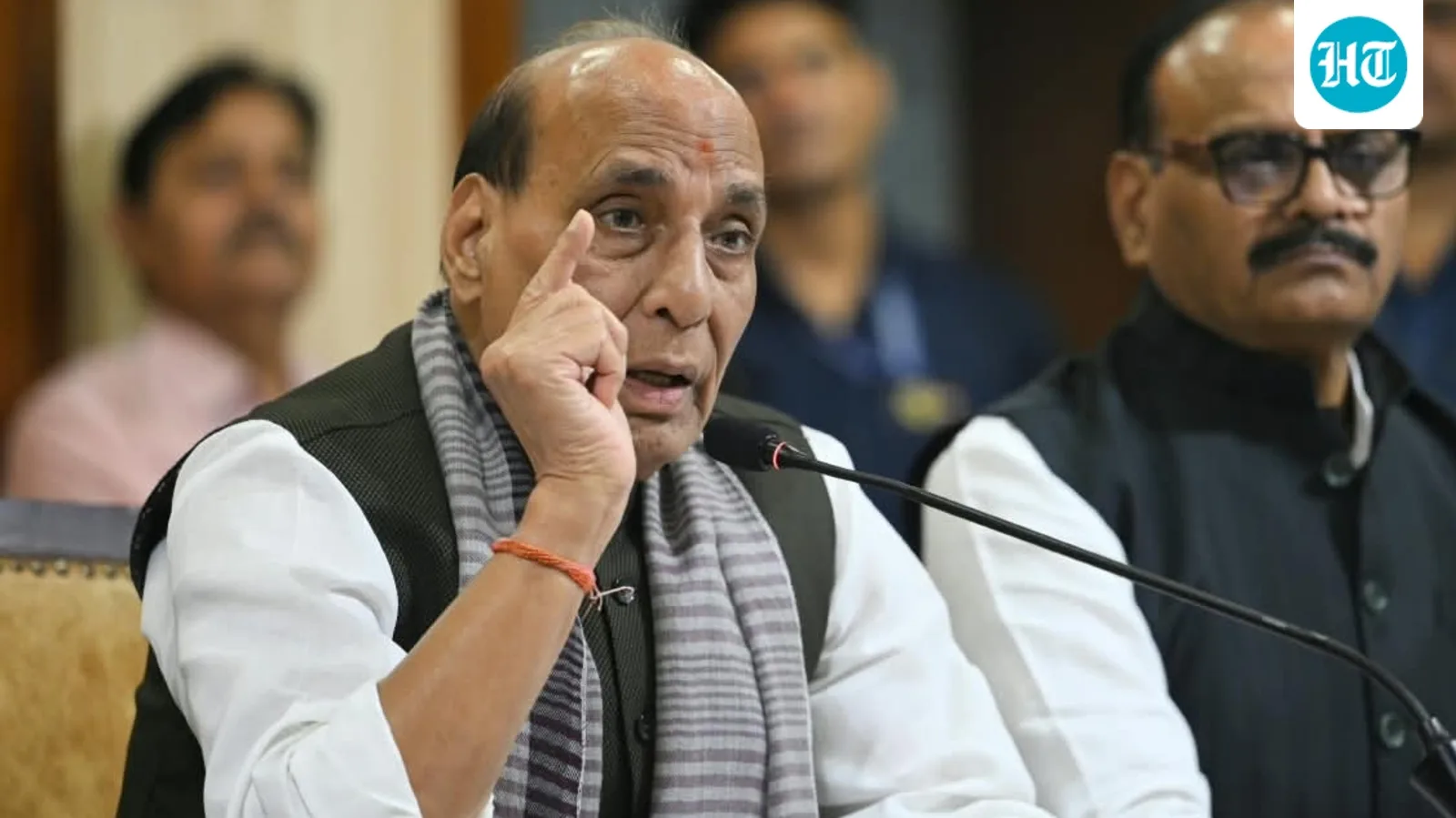
CJP Leaders Detained Following Jantar Mantar Protest Attempt
Saurav Das and Ashutosh Ranka of the Cockroach Janta Party face judicial custody after attempting to protest at Jantar Mantar.
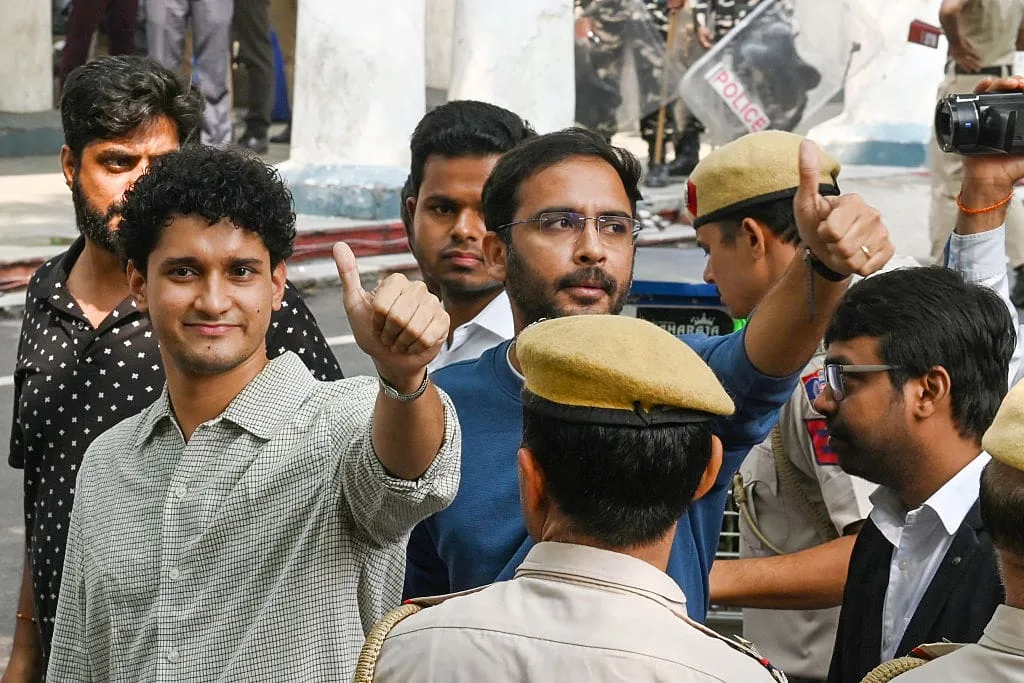
CJP leaders arrested after attempting a protest at Jantar Mantar.
Delhi Police removed Jantar Mantar from authorized protest sites.
Amnesty International calls for the release of detained leaders.
In a significant escalation of tensions surrounding public protests in India, leaders of the Cockroach Janta Party (CJP), Saurav Das and Ashutosh Ranka, have been placed in judicial custody for five days following their attempt to stage a peaceful demonstration at Jantar Mantar on Tuesday. Their arrests come after the Delhi authorities officially denotified the site as an authorized venue for protests, raising serious concerns about the diminishing space for dissent in the country.
The CJP's legal head, Ratna Singh, confirmed via a post on X that Das and Ranka were remanded to custody on Wednesday. Another party member, Ajinkya Shinde, who was also detained, was released after posting a personal bond of $55. The police have filed a First Information Report (FIR) against Das and Ranka, citing charges related to breach of bond, criminal trespass, and disobedience of orders. Shinde was also subjected to preventive arrest before his release.
Aakar Patel, Chair of the Board at Amnesty International India, criticized the authorities for their actions, stating that they cannot claim to uphold the right to protest while simultaneously removing established protest sites and arresting individuals attempting to utilize them. He emphasized that peaceful assemblies should not be restricted to a select few locations and that public spaces must remain accessible for citizens to voice their grievances and hold those in power accountable.
Jantar Mantar has historically served as a crucial platform for diverse groups, including workers, students, and activists, to bring their issues to the forefront. Its recent removal from the list of legal protest sites by the Delhi Police, following a Supreme Court directive, has raised alarms about the future of public demonstrations. The police have suggested alternative venues like Ramlila Maidan and Burari Ground; however, concerns remain regarding their accessibility and suitability for effective protest.
The crackdown on protests is not limited to Delhi, as similar actions have been reported in other cities like Mumbai and Bengaluru, where police detained numerous protesters. As the situation evolves, the implications for civil liberties and the right to peaceful assembly in India remain a pressing concern, with calls for the immediate release of detained CJP leaders and a halt to the ongoing suppression of dissent.