Bombay High Court Denies Interim Relief to Tata Trusts
The Bombay High Court allows Tata Sons' board meeting to proceed as scheduled, rejecting requests for interim relief from Tata Trusts.
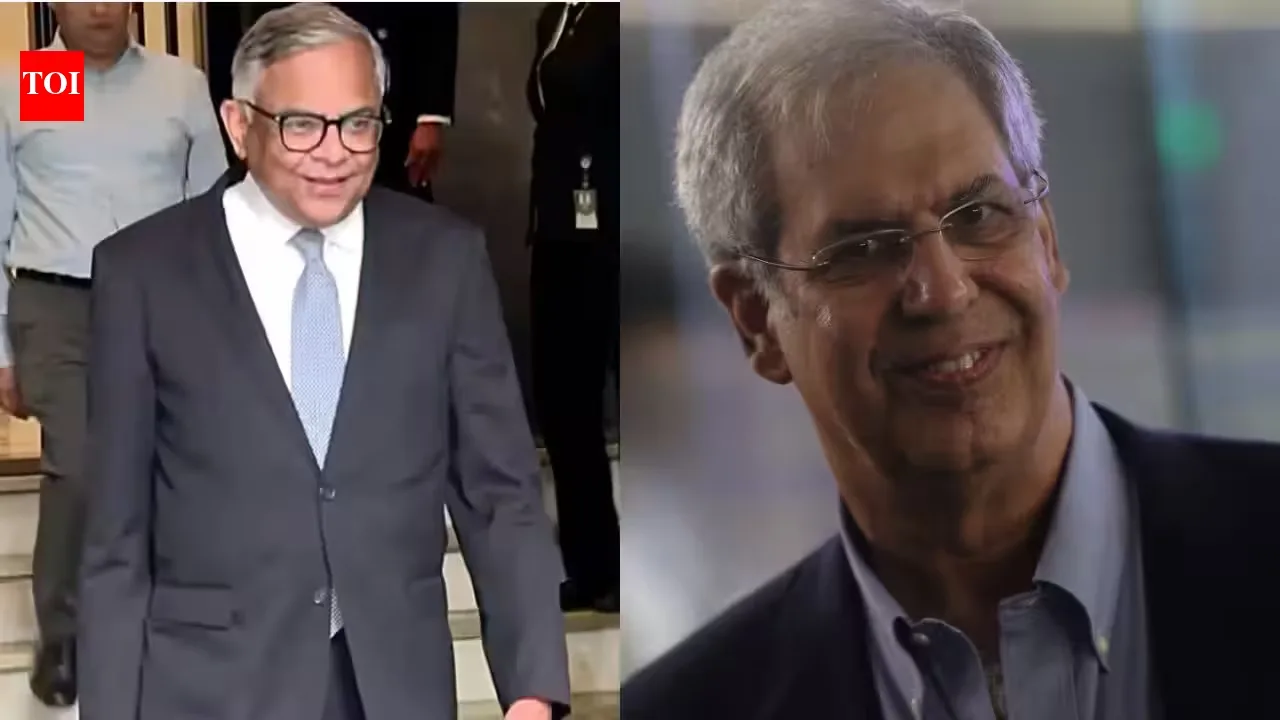
The Bombay High Court ruled against granting interim relief to Tata Trusts regarding the reappointment of N Chandrasekaran.
The board meeting of Tata Sons is set for November 30, with decisions subject to further court orders.
Tata Trusts are challenging the validity of Chandrasekaran's reappointment, claiming it lacked necessary votes from their nominee directors.
In a significant legal development, the Bombay High Court has declined to provide interim relief to the Sir Dorabji Tata Trust (SDTT) and the RD Tata Trust (RDTT) in their challenge against the reappointment of N Chandrasekaran as chairman of Tata Sons. The court's decision allows the board meeting scheduled for November 30 to proceed without interruption, although it noted that any resolutions passed would be contingent upon the court's final ruling.
The court, presided over by Justice Abhay Ahuja, emphasized that it would not grant any relief at this stage, allowing the meeting to take place as planned. During the proceedings, senior advocate Harish Salve, representing Tata Sons, argued that the meeting was essential due to a directive from the Reserve Bank of India (RBI), which has set a deadline of December 12 for Tata Sons to comply with certain listing requirements.
Opposing this, senior advocate Abhishek Manu Singhvi, representing the trusts, contended that the RBI directive was being utilized by Tata Sons to create an unnecessary sense of urgency. The trusts had sought a postponement of the board meeting and requested an order to prevent Chandrasekaran from casting a vote in case of a tie among the nominee directors.
The trusts, which are significant shareholders in Tata Sons, have raised concerns regarding the validity of the board resolution that reappointed Chandrasekaran on September 17. They argue that the resolution did not receive the required affirmative votes from their nominee directors, as stipulated in Tata Sons' Articles of Association. The SDTT is seeking damages of Rs 50 crore, while the RDTT is claiming Rs 15 crore, both with an annual interest rate of 18%.
Looking ahead, the court has instructed Tata Sons and the involved directors to submit reply affidavits concerning the trusts' petitions, with the next hearing scheduled for January 18, 2027. This ongoing legal battle highlights the tensions within the Tata group, particularly regarding governance and decision-making processes among its charitable trusts and corporate entities.