Spain Prepares for Snap Election on November 29, 2026
A critical general election in Spain is set for November 29, with major implications for the country's political landscape.
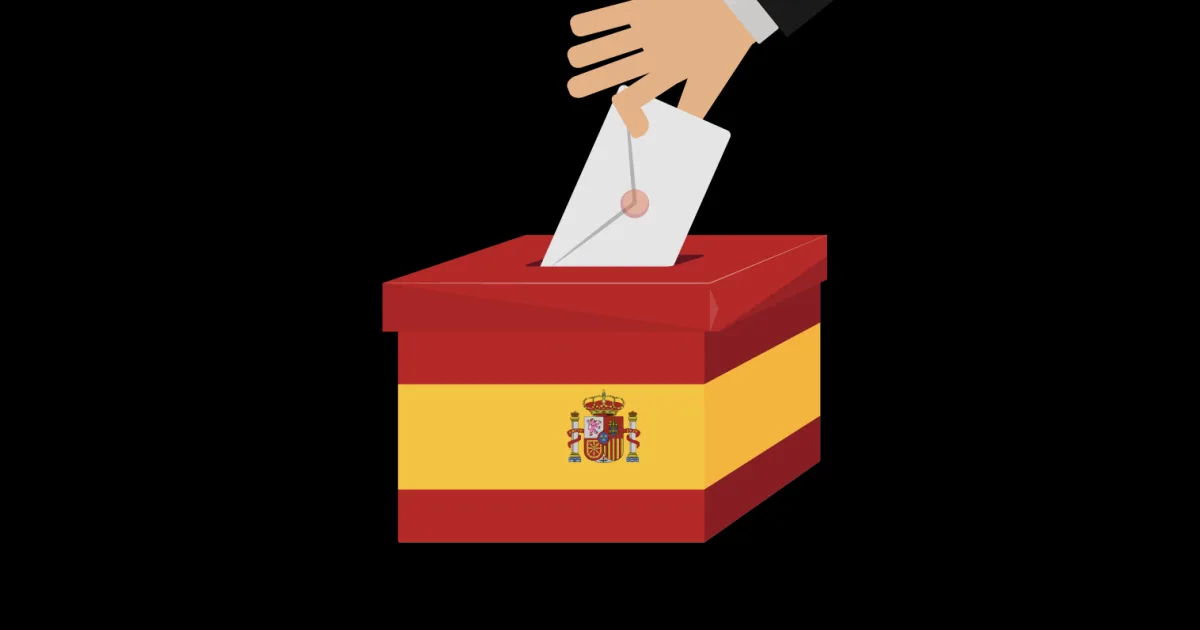
Spaniards will vote in a snap election that could see the far-right Vox party enter government for the first time since Franco's era.
Prime Minister Pedro Sanchez's coalition faces challenges from the centre-right People's Party and other parties amid rising public discontent over housing and corruption.
Approximately 38.7 million eligible voters will participate in the election, which will determine the composition of both the Congress of Deputies and the Senate.
Spain is gearing up for a significant snap general election scheduled for November 29, 2026. This election could mark a historic shift in the nation's governance, potentially allowing the far-right Vox party to enter the national government for the first time since the end of Francisco Franco's dictatorship in 1975. The early election was called by Prime Minister Pedro Sanchez after his housing relief measures were rejected by parliament, amidst widespread protests regarding rising rents and housing prices.
The political landscape leading up to this election is marked by the centre-right People's Party (PP), which is projected to secure the most seats, yet will likely require the support of Vox to achieve the 176 seats necessary for a majority in the 350-seat Congress of Deputies. In addition to the Congress, voters will also elect 209 members to the Senate. Approximately 38.7 million citizens aged 18 and older are eligible to cast their votes, according to the National Statistics Institute of Spain.
Polling stations will open at 9 AM local time on election day and close at 8 PM. Spain operates under a parliamentary monarchy, with King Felipe VI serving as the head of state. The government is led by a prime minister who is accountable to the Cortes Generales, which consists of the Congress of Deputies and the Senate. In the Congress, members are elected through proportional representation, where voters select a party rather than individual candidates, and seats are allocated based on the percentage of votes received.
The current coalition government, led by Sanchez, consists of the Spanish Socialist Workers' Party (PSOE) and the left-wing Sumar alliance. Sanchez, who has been in office for over eight years, faces challenges from various parties, including the PP and Vox, both of which have capitalized on public dissatisfaction regarding issues such as housing, immigration, and corruption. The upcoming election is expected to be influenced heavily by these pressing concerns, with housing affordability being a particularly contentious topic.
As the election approaches, the political atmosphere remains charged, with provisional results expected to be announced shortly after polls close. The outcome will not only determine the future of Sanchez's government but could also reshape Spain's political dynamics, especially regarding the role of far-right parties in the national legislature.