BJP Secures Support from DMK and NCP for Delimitation Bill
The BJP has successfully garnered backing from the DMK and NCP for the delimitation bill, marking a significant political shift.
The delimitation bill, previously defeated, is now likely to pass with support from DMK and NCP.
Political dynamics in Tamil Nadu shifted after the DMK's electoral defeat, prompting a reevaluation of alliances.
The BJP's strategic negotiations included addressing concerns about parliamentary representation for Tamil Nadu.
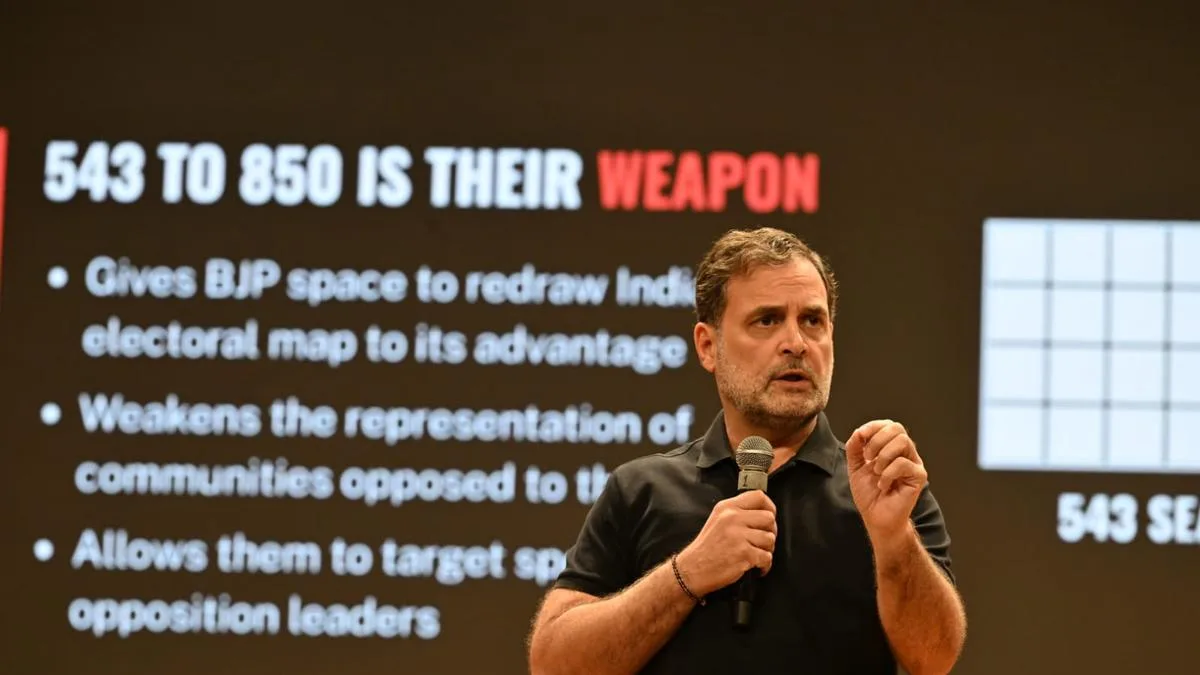
As the Lok Sabha prepares for a special session on Monday, the Narendra Modi government is poised to present a revised outlook on its legislative agenda. Following a series of student protests and opposition campaigns, the government appears more confident, particularly regarding the delimitation bill, which previously fell short by 54 votes in April. The DMK and the Nationalist Congress Party (NCP), once staunch opponents, are now expected to support the bill, marking a significant turnaround in parliamentary dynamics.
The groundwork for this shift began nearly a year ago when the government initiated discussions with the DMK. However, with the Tamil Nadu Assembly elections looming, the DMK was initially resistant to any compromise. Despite the government's attempts to address concerns regarding Tamil Nadu's representation in the Lok Sabha, the DMK remained firm against supporting the bill during an election year. In a notable display of opposition, then Chief Minister MK Stalin even burned a copy of the bill, labeling it a "black law".
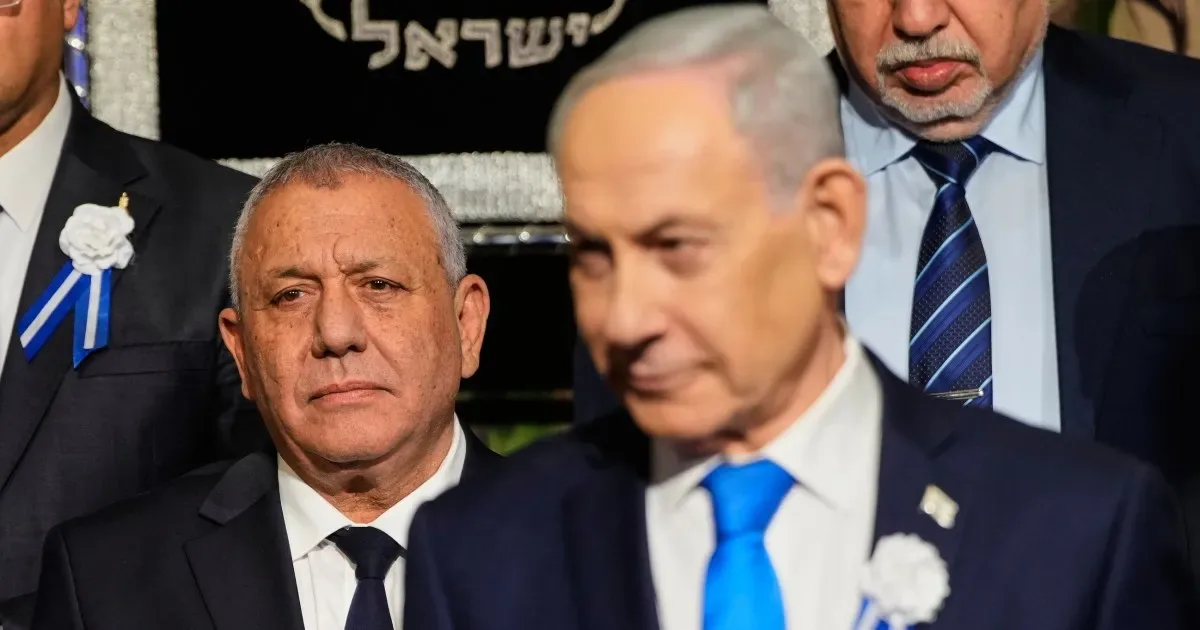
The political landscape changed dramatically following the DMK's unexpected defeat in the Assembly elections, where it lost to the newly formed Tamilaga Vettri Kazhagam (TVK). This electoral setback, compounded by the Congress party's decision to break ranks and join the government, left the DMK isolated. The BJP seized this opportunity, engaging in continuous dialogue with both the DMK and the NCP to negotiate support for the delimitation bill.
Throughout the Monsoon Session, the BJP made concerted efforts to win over the DMK and NCP by softening its stance on various contentious bills. The government strategically delayed the introduction of several key legislative proposals, which had previously faced opposition from these parties. This approach culminated in a cabinet decision that addressed the DMK's demands, including maintaining Tamil Nadu's current parliamentary representation while allowing for a 50% increase in seats, effectively freezing the number until 2051.
With the DMK's shift in position, party president MK Stalin announced that the party had successfully safeguarded Tamil Nadu's parliamentary representation for the next quarter-century. This development is expected to have significant implications for political alliances in both Tamil Nadu and Maharashtra, potentially reshaping the ruling coalition and further weakening the opposition.