Bangladesh Establishes Wage Board Amid Ongoing Worker Protests
In response to escalating protests, Bangladesh has formed a wage board to address garment workers' demands for higher pay.
A new wage board has been established to review garment workers' minimum wage.
Workers are demanding a monthly wage of 30,000 taka, more than double the current rate.
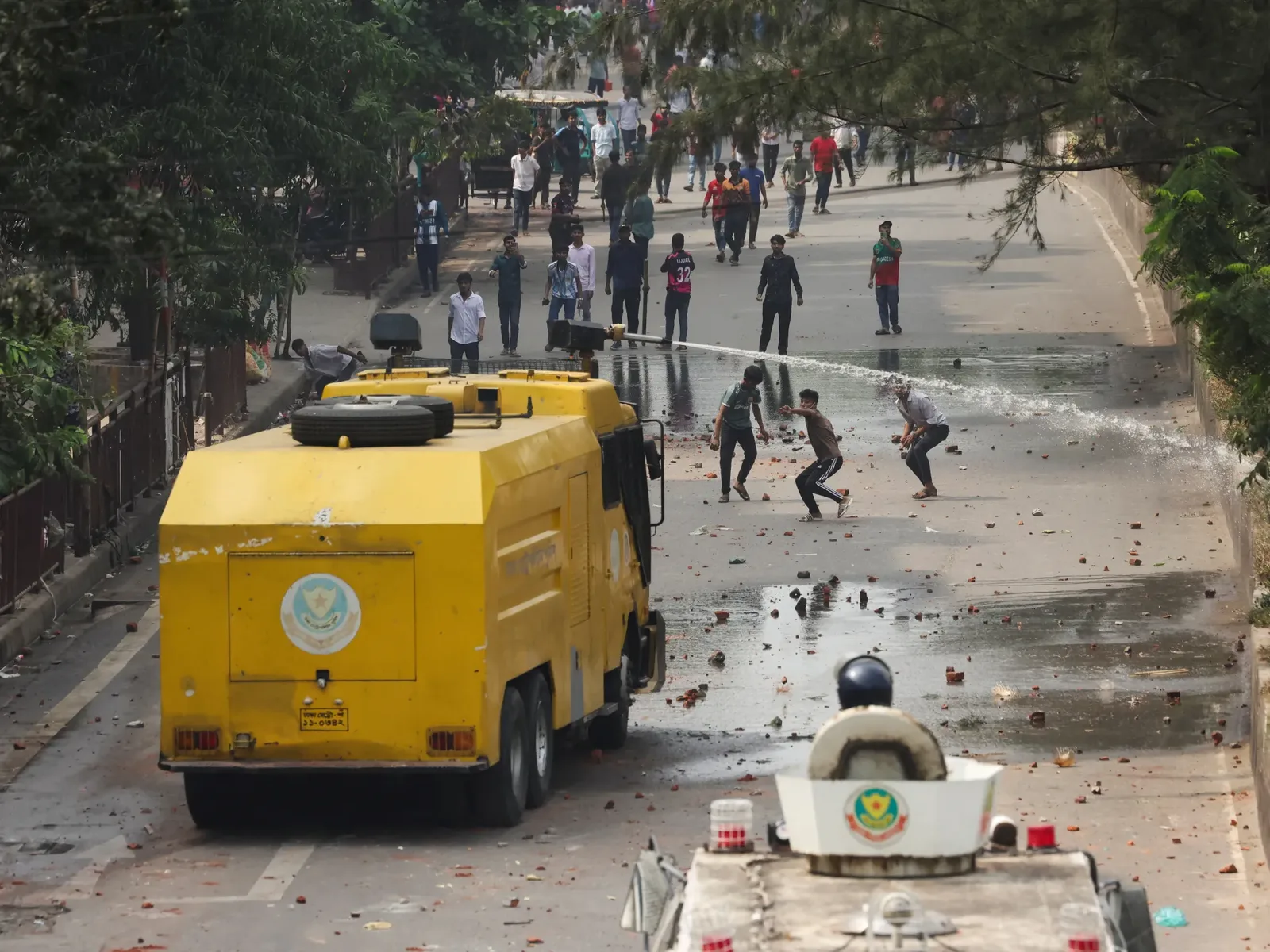
Protests have led to factory closures and clashes with police in Dhaka.
Bangladesh has taken a significant step by forming a wage board aimed at reviewing the minimum wage for garment workers amidst ongoing protests across the country. The announcement was made on Sunday, yet thousands of workers continued to demonstrate in Dhaka, demanding higher wages as the cost of living rises. Reports indicate clashes between protesters and police, who responded with tear gas and sound grenades to disperse the crowds.
The garment industry is crucial to Bangladesh's economy, employing millions and accounting for a substantial portion of the nation’s exports. Workers are currently advocating for a minimum monthly wage of 30,000 taka (approximately $242), which is more than double the existing wage of 12,500 taka ($101). The rising costs of essentials such as food, housing, and healthcare have significantly impacted their purchasing power, prompting the protests that began over the weekend.
The newly formed six-member wage board will consist of representatives from the government, labor unions, and factory owners, tasked with determining a new minimum wage. M Sakhawat Hossain Chowdhury, an adviser to the Ministry of Labour and Employment, expressed optimism about the board's formation, stating that it should alleviate ongoing issues. He urged workers to return to their jobs for the sake of stability.
However, Labour and Employment Minister Ariful Haque Chowdhury cautioned that continued disruptions could lead to delays in export shipments and payments, affecting both manufacturers and workers. The protests have already resulted in the temporary closure of around 30 garment factories in the Ashulia area, as reported by local police.
As the world's second-largest garment producer after China, Bangladesh's industry contributes approximately 10% to its GDP. Nevertheless, manufacturers are grappling with rising production costs and energy shortages, compounded by geopolitical tensions affecting energy markets. The situation remains tense as both workers and factory owners await the outcomes of the newly established wage board.