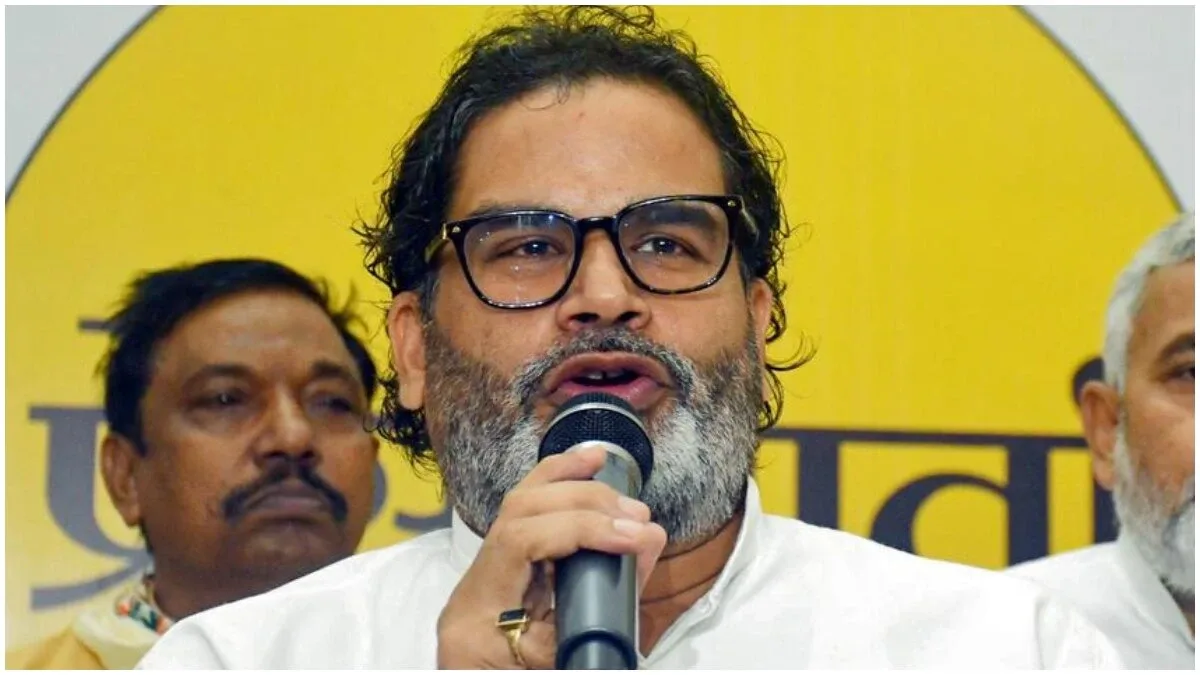
Arunachal Pradesh Protests Against Siang Upper Multipurpose Project
Protests escalate in Arunachal Pradesh over the proposed Siang Upper Multipurpose Project amid concerns from local communities.
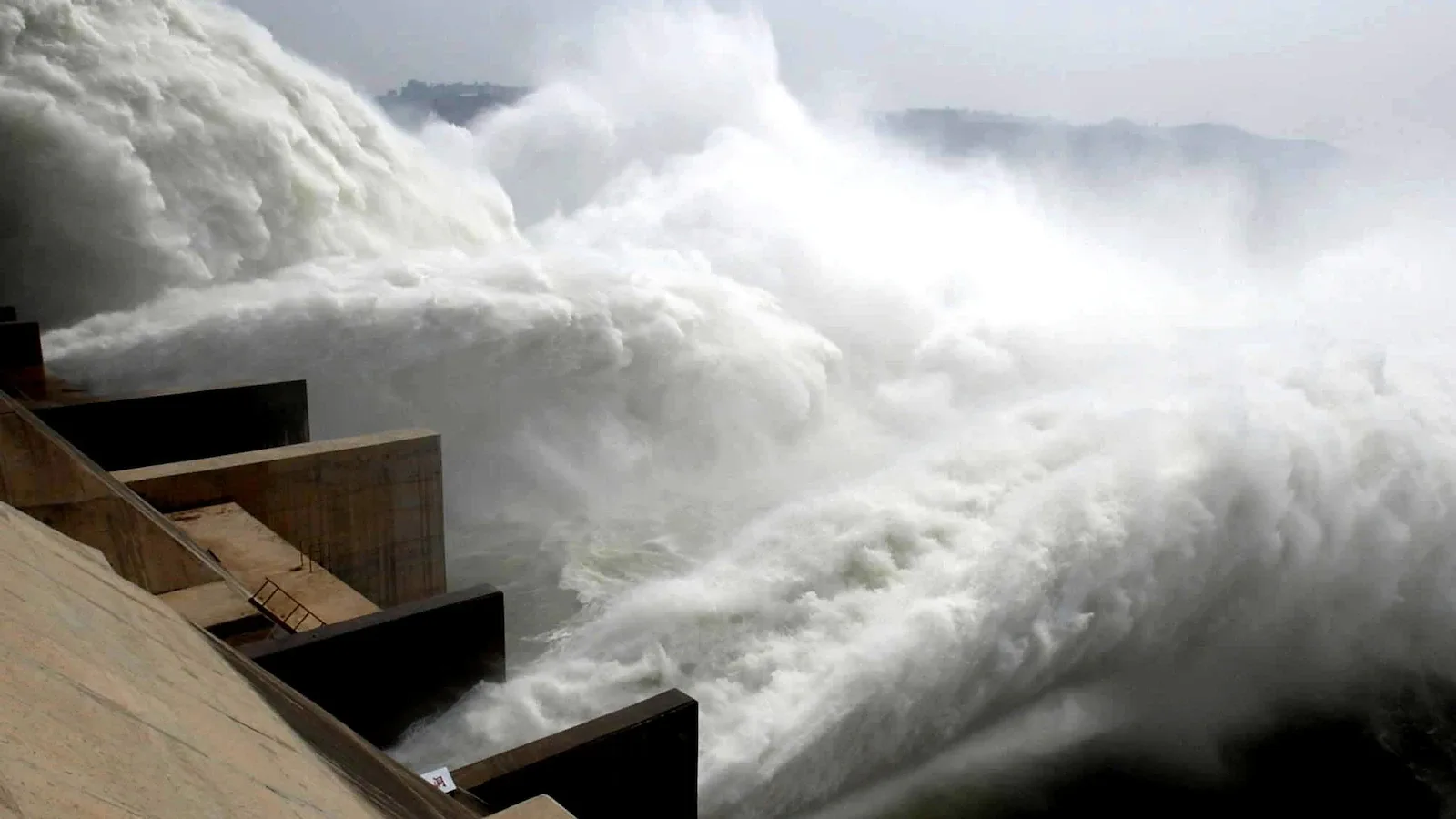
Home Minister Amit Shah visits Arunachal amid protests against the Siang Upper Multipurpose Project.
The project, aimed at being India's largest hydropower facility, faces opposition from the Adi community.
Local leaders emphasize the need for public hearings and consent before advancing the project.
Protests have intensified in Arunachal Pradesh regarding the proposed Siang Upper Multipurpose Project (SUMP), which aims to generate 11,200 megawatts of power. Home Minister Amit Shah's recent two-day visit coincided with these demonstrations, highlighting the growing unrest among local communities, particularly the indigenous Adi people, who are concerned about the project's potential impact on their land and livelihoods.
The SUMP, initiated by the National Hydroelectric Power Corporation (NHPC), is positioned to be the largest hydropower and water-storage facility in India. However, it remains at the pre-feasibility survey stage due to significant resistance from local groups. Shah acknowledged the concerns raised by the community, assuring them of open dialogue while emphasizing the project's national importance for Arunachal's development.
Designated a 'National Project' by the Union cabinet in 2008, the SUMP is not only viewed as a power generation initiative but also as a strategic water-storage solution to address potential flooding and water scarcity issues. Chief Minister Pema Khandu highlighted the urgency of the project in light of upstream developments in Tibet, where China is constructing a massive hydropower project without consulting India. Khandu expressed the need to prepare for potential water risks that could arise from these developments.
Despite the government's assurances, local opposition remains strong, particularly from groups like the Siang Indigenous Farmers' Forum and the Adi Baane Kebang. They argue that the construction of a mega-reservoir could inundate ancestral lands and agricultural areas. Tensions escalated in October when activists were detained, leading to protests that resulted in property damage and the deployment of security forces in the region.
Looking ahead, the state government has initiated steps to build local consensus for the project by signing memorandums of understanding with residents and forming a committee to address compensation and rehabilitation for affected families. However, community leaders insist that any further progress requires thorough public consultations and transparency regarding the project's potential impacts on the environment and local populations.