Aleksandar Vucic Concedes Serbian Election Amid Student Uprising
Former Serbian leader Aleksandar Vucic attributes his electoral defeat to foreign interference, particularly from the US and Europe.
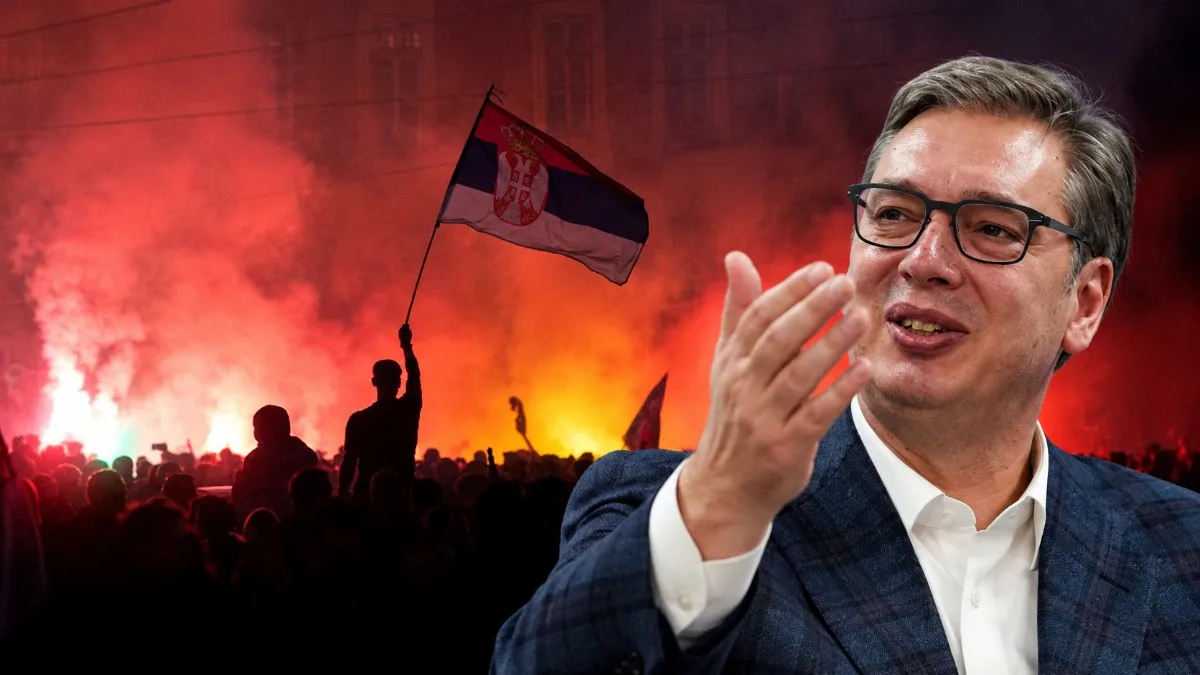
Aleksandar Vucic lost a parliamentary election after 14 years in power, with student-led opposition securing a majority.
Vucic accused foreign powers, including the US 'deep state', of orchestrating his downfall.
Republican Congressman Joe Wilson welcomed the election result, viewing it as a positive shift for Serbia.
Aleksandar Vucic, the former Serbian president and prime minister, has conceded defeat in the recent parliamentary elections, marking the end of his 14-year political reign. The student-led opposition, known as the Students' List, emerged victorious, securing an estimated 135 to 140 seats in the 250-member parliament. Vucic's coalition is projected to have around 105 seats. This significant political shift has raised questions about the future direction of Serbia's governance and its international alliances.
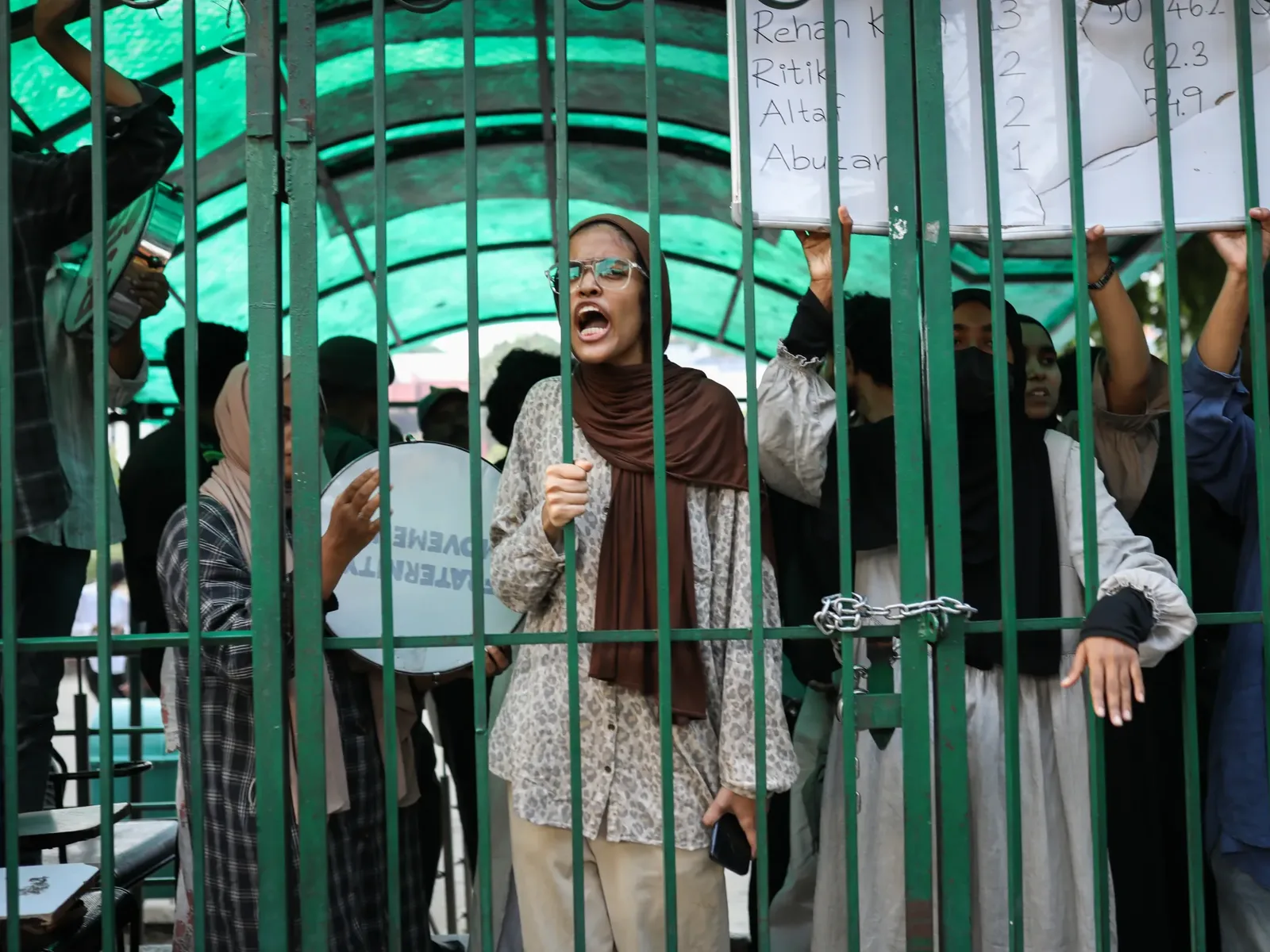
Vucic's loss comes in the wake of widespread protests and a student movement that gained momentum following a tragic incident in November 2024, when a railway station canopy collapse resulted in 16 fatalities. The public outcry over corruption and mismanagement in public projects fueled a broader challenge to Vucic's authority. In the lead-up to the October 25 election, Vucic had voiced concerns about foreign interference, claiming that Western powers were backing his opponents to facilitate his removal from office.
In his concession speech, Vucic reiterated his belief that his defeat was orchestrated by foreign entities, specifically mentioning the US 'deep state' and European nations. He stated, "This was the legitimisation of a revolution carried out by the people with direct support from various European countries and the American deep state, the one that opposes President Trump." Despite these claims, he provided no concrete evidence to support his allegations of foreign manipulation in the electoral process.
The implications of this election extend beyond Serbia's borders. Vucic's administration had maintained a delicate balance between aligning with Russia and pursuing EU membership. His defeat could signal a shift in Serbia's foreign policy, particularly regarding its relations with Russia and the West. Congressman Joe Wilson, a Republican ally of Trump, praised the student movement's victory, suggesting it could lead to a new chapter for Serbia as it moves closer to Western ideals and governance.
Looking ahead, the newly elected government will face the challenge of addressing the public's demands for accountability and reform. Vucic warned that the incoming administration might impose sanctions on Russia, a significant shift from his previous stance. The future of Serbia's international relations, particularly with the US and Russia, remains uncertain as the country navigates this political transformation.