2026 Constitutional Bills Aim to Reshape Presidential Elections
New legislation seeks to expand the electoral college while altering the influence of MP and MLA votes.
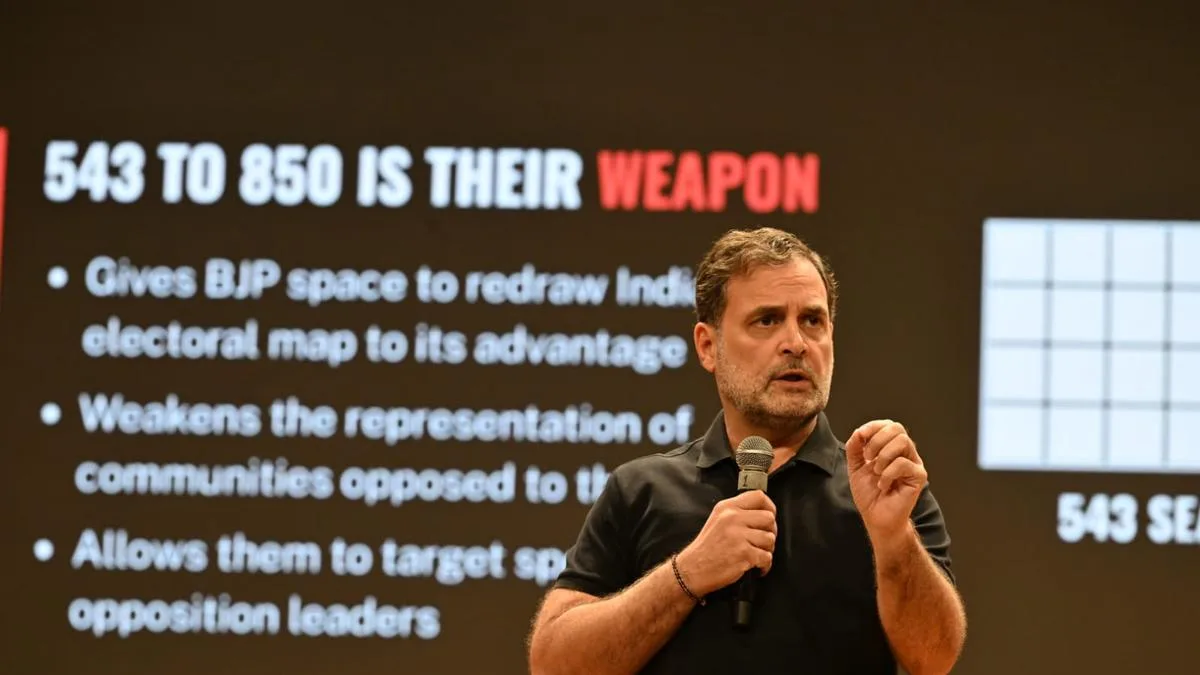
The 132nd Amendment Bill and Delimitation Bill will increase Lok Sabha seats from 543 to 850.
State Assembly seats will rise to a maximum of 650, significantly enlarging the electoral college.
The value of votes from Rajya Sabha members in presidential elections is expected to diminish.
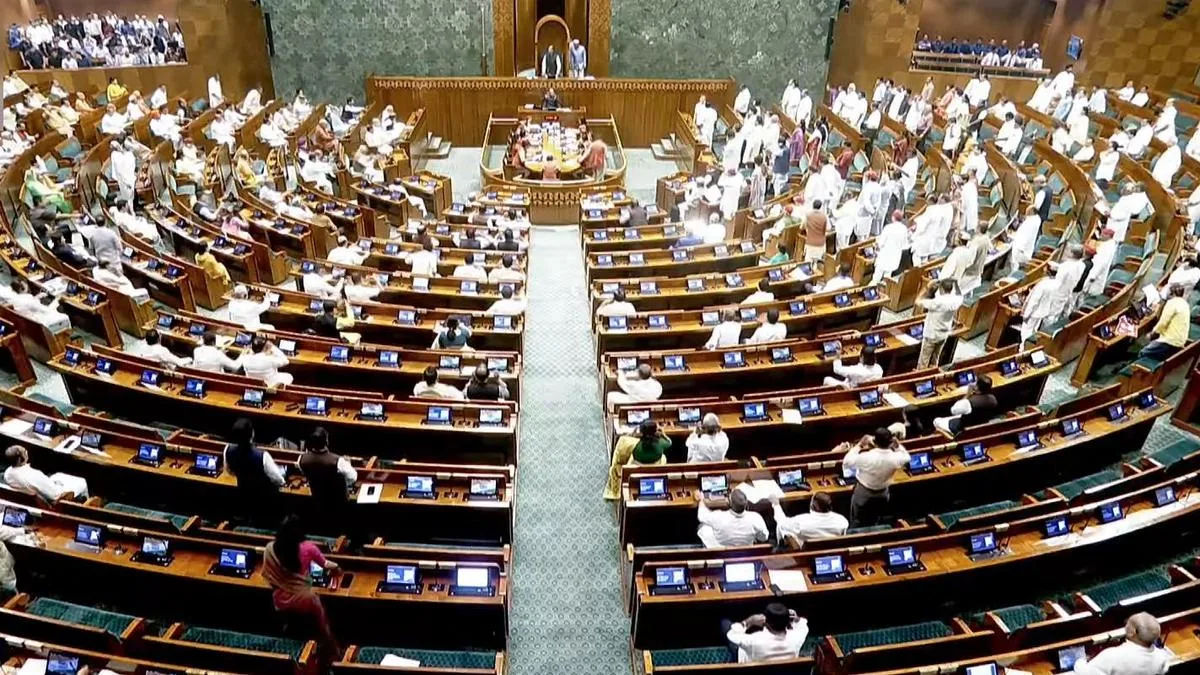
The Indian government has introduced two significant pieces of legislation aimed at reforming the electoral framework for the presidential elections. The Constitution (132nd Amendment) Bill, 2026, alongside the Delimitation (Second) Bill, 2026, proposes to expand the electoral college that elects the President. This expansion is set to increase the size of the Lok Sabha from its current 543 members to 850, while also allowing State Assemblies to grow to a maximum of 650 seats.
These legislative changes are designed to maintain the relative weight of each state in the electoral process. However, despite preserving the balance among states, the influence of Rajya Sabha members in the presidential vote is likely to face a significant decline. The proposed amendments aim to ensure that the electoral college reflects a broader representation of the population, particularly with the anticipated implementation of women’s reservation.
The introduction of these bills comes at a time when discussions around electoral reforms have gained momentum in India. The government aims to enhance democratic representation through these changes, which could lead to a more diverse and inclusive electoral college. However, the dilution of the value of individual votes from MPs and MLAs raises concerns about the overall impact on the electoral process.
The implications of these changes are profound, as they could reshape the dynamics of presidential elections in India. With a larger electoral college, the process may become more representative of the electorate's diversity. However, the reduced weight of Rajya Sabha votes could lead to a shift in how presidential candidates campaign and appeal to voters, potentially altering traditional political strategies.
Looking ahead, the government will likely focus on the passage of these bills in the upcoming parliamentary sessions. The discussions surrounding these amendments are expected to spark debates among political parties and stakeholders, as they navigate the complexities of electoral reform in India. The outcome of these legislative efforts will be crucial in determining the future landscape of presidential elections in the country.