18 Years After 26/11: The Global Implications of Mumbai Attacks
The 2008 Mumbai attacks were a pivotal moment in global terrorism, revealing deep connections between state-sponsored and transnational terror.
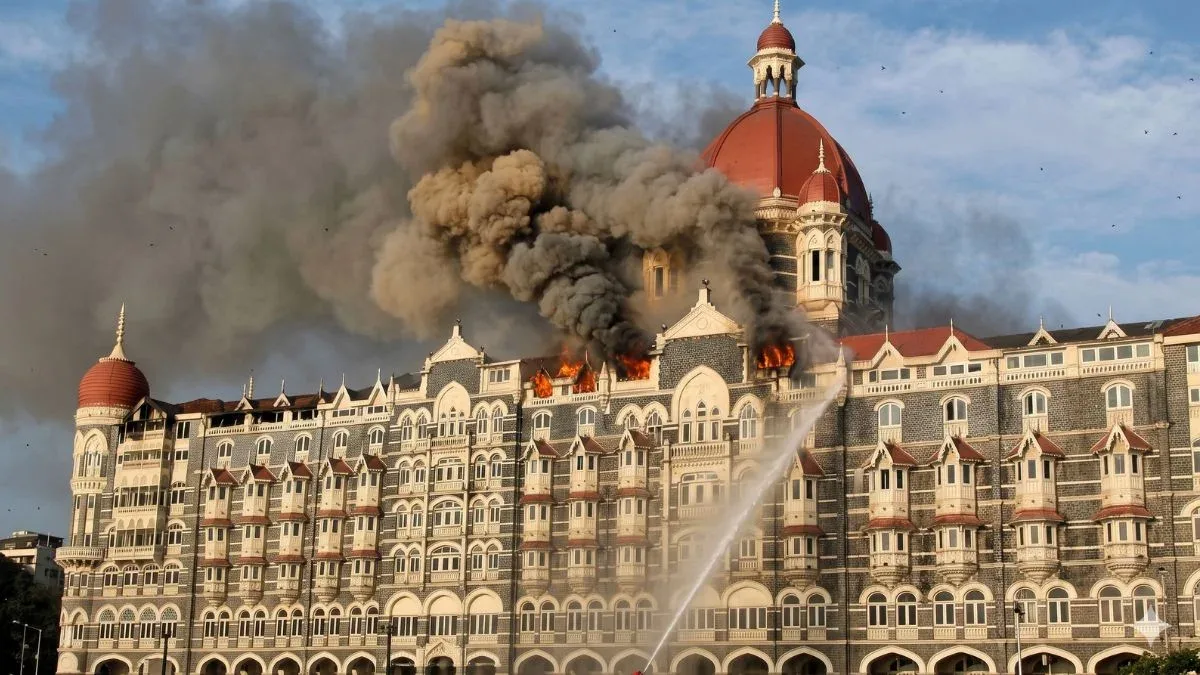
The 26/11 attacks resulted in 166 deaths and over 300 injuries.
The operation was coordinated from Karachi, highlighting the global nature of terrorism.
Pakistan's role in supporting terror networks remains a critical issue for international security.
On the night of November 26, 2008, ten armed terrorists landed in Mumbai, unleashing chaos across the city for over sixty hours. The attacks targeted key locations, including the Taj Mahal Palace Hotel and Chhatrapati Shivaji Terminus, resulting in the deaths of 166 individuals and injuries to more than 300. This tragic event marked a significant escalation in the threat posed by transnational terrorism, particularly as it was orchestrated from Pakistan.
The aftermath of the attacks revealed that the assault was not merely a localized conflict but a well-planned operation with international ramifications. The attackers specifically targeted foreign nationals, including Americans and Israelis, indicating a strategy designed to maximize global attention and align with broader jihadist ideologies. The involvement of the terrorist group Lashkar-e-Taiba (LeT) underscored the complexity of the situation, as they had previously not targeted Jewish individuals directly, marking a new phase in their operations.
Investigations into the attacks led to the capture of Ajmal Kasab, the only terrorist taken alive, who provided crucial insights into the planning and execution of the operation. The attackers were trained in Pakistan and utilized sophisticated communication methods to coordinate their actions in real time from a control room in Karachi. This included using advanced technology to mask their identities and maintain operational secrecy, demonstrating the extensive reach of their network.
The implications of the 26/11 attacks extend beyond India, highlighting the interconnectedness of global terrorism. The involvement of individuals like David Coleman Headley, who conducted reconnaissance for the attacks, illustrates how terror networks have infiltrated various countries, including the United States and Canada. The failure of Pakistan to adequately address the issue of terrorism on its soil continues to pose a significant challenge for international security and counterterrorism efforts.
As the world reflects on the 18th anniversary of the Mumbai attacks, it is clear that the lessons learned remain relevant. The need for a unified global approach to combat terrorism, particularly state-sponsored terrorism, is more pressing than ever. Without accountability and a concerted effort to dismantle these networks, the threat of future attacks looms large, reminding us that the battle against terrorism is far from over.