130 Million Stripped from Voter Rolls in India’s Largest Disenfranchisement
India faces unprecedented voter roll cuts affecting millions, raising concerns over electoral integrity and citizenship rights.
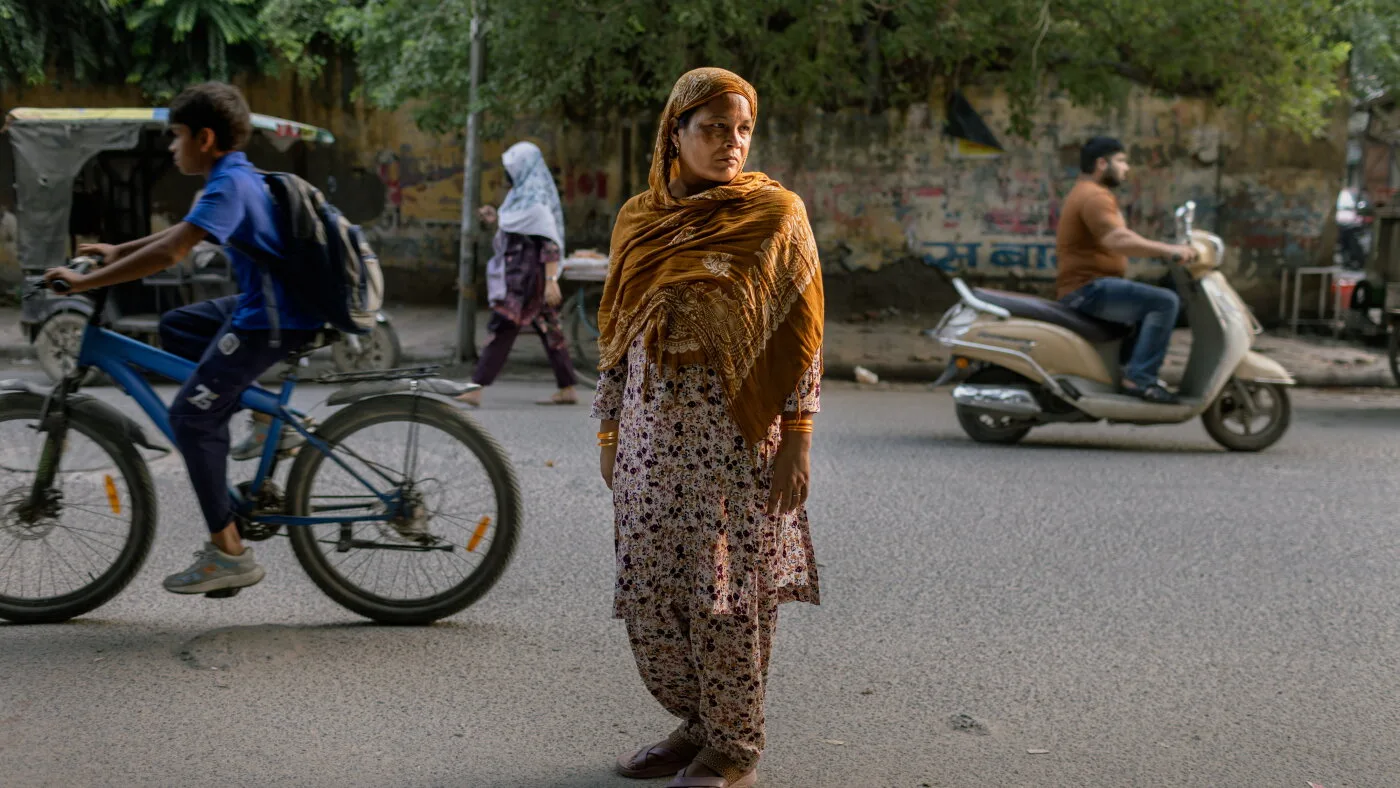
Approximately 130 million names were removed from India's voter rolls during a revision process.
Critics accuse the ruling BJP of manipulating voter lists to disenfranchise opposition supporters.
Many affected individuals struggle to prove their identity and citizenship, raising fears of losing essential government services.
In a significant electoral upheaval, India has witnessed the removal of around 130 million names from its voter rolls, marking the largest disenfranchisement in the nation's history. This drastic action, which began in June 2022, has left many citizens, particularly in marginalized communities, questioning their right to vote and their status as citizens. Kanchan, a resident of New Delhi's Bela Slum, expressed her dismay after discovering that approximately 500 adults from her community were struck off the rolls, a situation she learned about through a political party representative.
The voter roll revision has been met with widespread criticism, particularly from election experts and opposition figures. Yogendra Yadav, an elections specialist, estimates that the deletions have disproportionately affected those who are already vulnerable. The ruling Bharatiya Janata Party (BJP) has defended the revisions, claiming that the removed names belonged to deceased individuals, those with duplicate entries, or people who had relocated. However, many residents, including Kanchan, argue that the process has been selectively applied to target communities that oppose the BJP.
Activists and legal experts have raised alarms over the burdens placed on citizens to prove their identity, a requirement that was not previously enforced. For instance, individuals are now being asked to provide evidence of their family's voting history, a demand that many find impossible to meet. Kaustubh Chaturvedi, a lawyer challenging the revisions, labeled the situation as "the largest disenfranchisement exercise in human history," highlighting the shift in responsibility from the state to the citizens.
The implications of these voter roll cuts extend beyond the electoral process. Many individuals fear losing access to essential government services, as officials in BJP-ruled states have threatened to cut assistance for those removed from the voter rolls. This has created a climate of anxiety among the disenfranchised, who worry that their citizenship is being called into question. Kanchan, who relies on government support after her husband's death, fears that her removal from the rolls could sever her access to vital resources.
As the situation unfolds, the Election Commission of India has stated its commitment to restoring the names of those unjustly removed. However, for many, the damage has already been done. With ongoing protests and legal challenges, the future of India's electoral integrity hangs in the balance, prompting urgent calls for transparency and accountability in the voter revision process.