Supreme Court Clarifies BNSS Safeguards for Public Servants on October 21, 2026
The Supreme Court elaborates on the new procedural protections for public servants under the BNSS in a recent ruling involving former Kerala CM Pinarayi Vijayan.
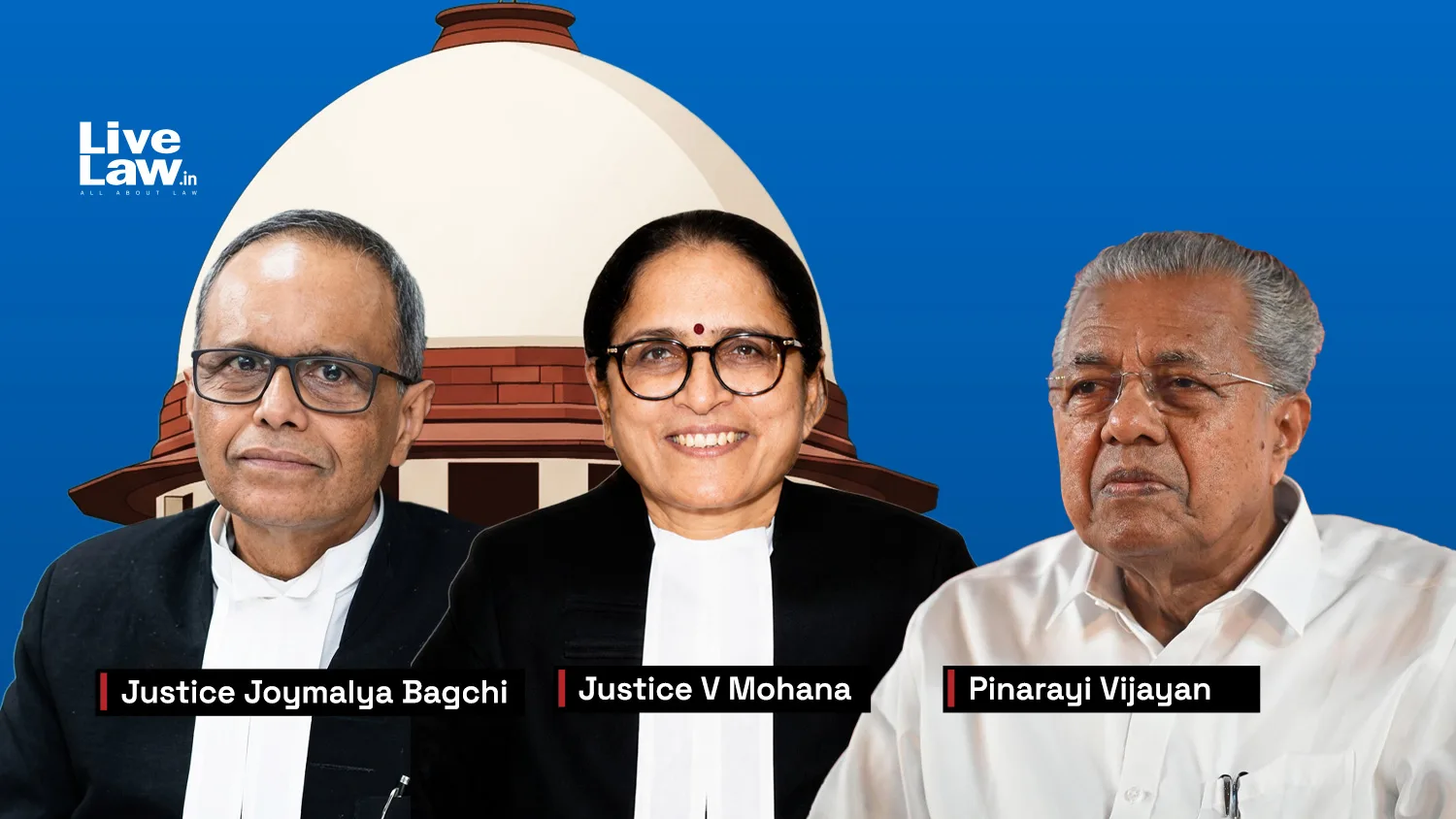
The Supreme Court highlighted the expanded safeguards for public servants under Section 175(4) of the BNSS.
The ruling contrasts the new provisions with the previous Section 156(3) of the CrPC, emphasizing the need for public servant involvement.
The court temporarily stayed the investigation against Vijayan, allowing him to appeal the High Court's order.
On October 21, 2026, the Supreme Court of India addressed the procedural safeguards for public servants under the Bharatiya Nagarik Suraksha Sanhita (BNSS) during a case involving former Kerala Chief Minister Pinarayi Vijayan. The court's ruling emphasized the enhanced protections available before a Magistrate can order an investigation against a public servant, marking a significant shift from the previous legal framework.
The bench, comprising Justice Joymalya Bagchi and Justice V Mohana, noted that Section 175(4) of the BNSS introduces a requirement for the involvement of a public servant and their superior officer in the process prior to the registration of an FIR. This contrasts sharply with the earlier Section 156(3) of the Code of Criminal Procedure (CrPC), which did not mandate such participation, allowing investigations to proceed without input from the public servant involved.
During the hearing, Justice Bagchi explained that the new provision ensures that public servants have the opportunity to present their arguments before any judicial directive is issued for an FIR. This is a crucial change, as it aims to protect public servants from arbitrary investigations while still holding them accountable for their actions in office. The court clarified that its reference to Section 175(4) was not intended to comment on the merits of the allegations against Vijayan but to highlight the procedural safeguards that now exist.
The implications of this ruling extend beyond the immediate case, as it sets a precedent for how complaints against public servants will be handled in the future. The court's decision to stay the investigation for seven days allows Vijayan and other petitioners time to seek interim relief from the High Court, which could have broader ramifications for public officials facing similar allegations.
Looking ahead, the Supreme Court's ruling may lead to further discussions on the balance between accountability and protection for public servants. The legal community will be closely monitoring the outcomes of the appeals and any subsequent changes to the BNSS or related legal frameworks that may arise as a result of this case.