Tamasha Dancers Face Exploitation and Educational Barriers in Maharashtra
In Maharashtra’s Beed district, young Tamasha performers like Avani grapple with cultural traditions that exploit women and hinder education.
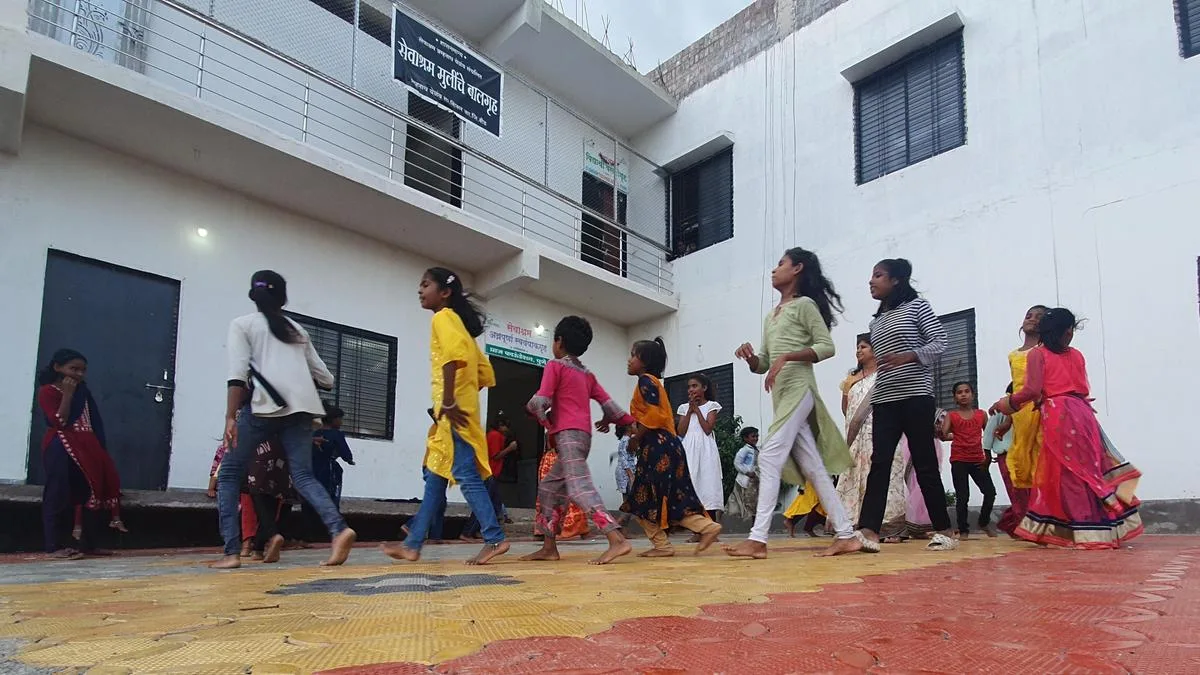
Tamasha dancers, primarily from the Kolhati community, face systemic exploitation and limited educational opportunities.
Around 10,000 children of Tamasha performers are currently out of school, with many at risk of being drawn into the same cycle of exploitation.
Efforts by activists to provide education and shelter for these children are ongoing, but significant challenges remain.
In Maharashtra's Beed district, 14-year-old Avani, weighed down by six-kilogram ghungroos, reluctantly walks from her makeshift green room to the stage, where the cheers of the audience echo. As a Tamasha dancer, she is part of a tradition that intertwines performance with exploitation, particularly affecting young girls from the Kolhati community. This folk theatre form, while culturally significant, often leaves women financially vulnerable and reduces them to mere commodities in a patriarchal system.
The Tamasha tradition has deep roots in Maharashtra, historically performed by marginalized groups, including the Kolhati and Mang communities. These performers, especially women, are celebrated for their Lavani dance, yet they often face harsh realities. Many children of Tamasha performers, like Avani, are denied education, perpetuating a cycle of poverty and exploitation. Activists, including Suresh Rajhans, who founded a residential school for these children, are striving to provide a safe haven and educational opportunities, yet the struggle against societal stigma and economic hardship continues.
Rajhans highlights the grim fate that often befalls girls in this community. Avani's story is not unique; many young girls are subjected to the ritual of chira utaravne, where their virginity is auctioned off to the highest bidder, often resulting in lifelong exploitation. The men who engage in this practice, typically affluent and powerful, hold significant control over the girls' lives, leaving them with little agency. This power dynamic underscores the urgent need for intervention and support for these vulnerable children.
The impact of this cultural practice extends beyond individual stories, affecting the broader community in Maharashtra. With an estimated 10,000 children of Tamasha performers out of school, the long-term implications for society are dire. The Sevashram school currently shelters 100 children, providing them with a chance for a better future. However, the fear of being pulled back into the Tamasha world looms large for many, as expressed by Veda, a 16-year-old student who dreams of a normal life away from the stage.
Looking ahead, the fight for the rights of Tamasha performers and their children continues. Activists are working tirelessly to raise awareness and secure educational resources, but the road ahead is fraught with challenges. Upcoming initiatives aim to provide more comprehensive support systems for these children, ensuring they can break free from the cycle of exploitation and pursue their dreams of education and stability.