Maharashtra Sees Rain Deficits in 20 Districts as Monsoon Withdraws
The southwest monsoon's withdrawal has led to significant rainfall deficiencies across Maharashtra, affecting over half of its districts.
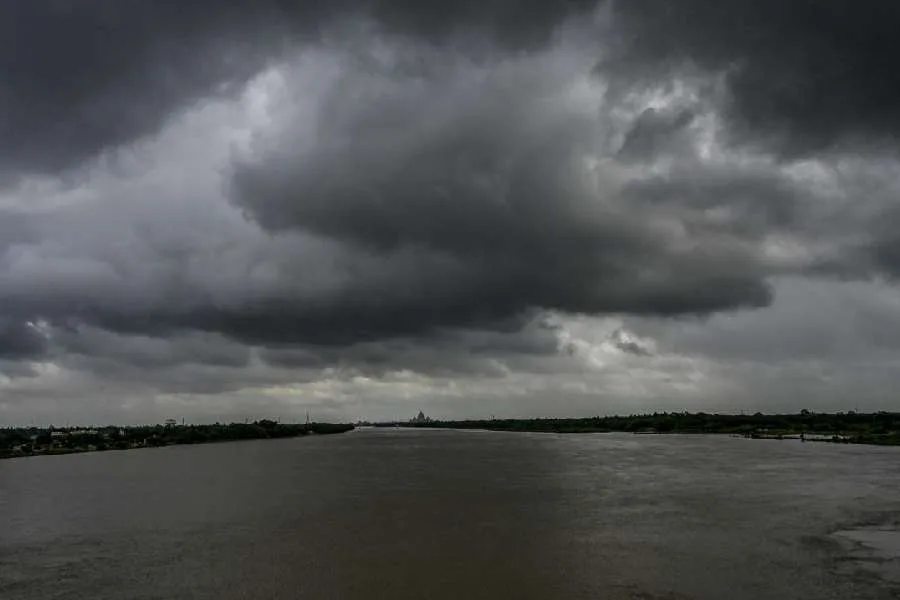
20 out of 36 districts in Maharashtra report deficient rainfall.
Solapur records the highest deficit at minus 58 percent.
Over 70 percent of talukas in the state have been declared drought-affected.
The India Meteorological Department (IMD) announced on Saturday that the southwest monsoon has officially withdrawn from various regions of Maharashtra, revealing that 20 of the state's 36 districts have experienced deficient rainfall this season.
Among the districts, Solapur has faced the most severe deficit, reporting a shortfall of 58 percent. Other districts with significant deficiencies include Beed at minus 51 percent, Hingoli at minus 49 percent, and Jalna at minus 48 percent. The Marathwada region has been particularly hard hit, with all districts except Chhatrapati Sambhajinagar showing deficits ranging from 34 to 49 percent.
In contrast, only the Palghar and Nashik districts have recorded excess rainfall during this monsoon season. Meanwhile, districts such as Thane, Mumbai suburban, and Kolhapur have reported normal rainfall levels. The IMD's data indicates that even Sindhudurg in the Konkan region, along with Satara and Sangli, has suffered from substantial rainfall deficiencies, with deficits of 36 percent, 28 percent, and 24 percent, respectively.
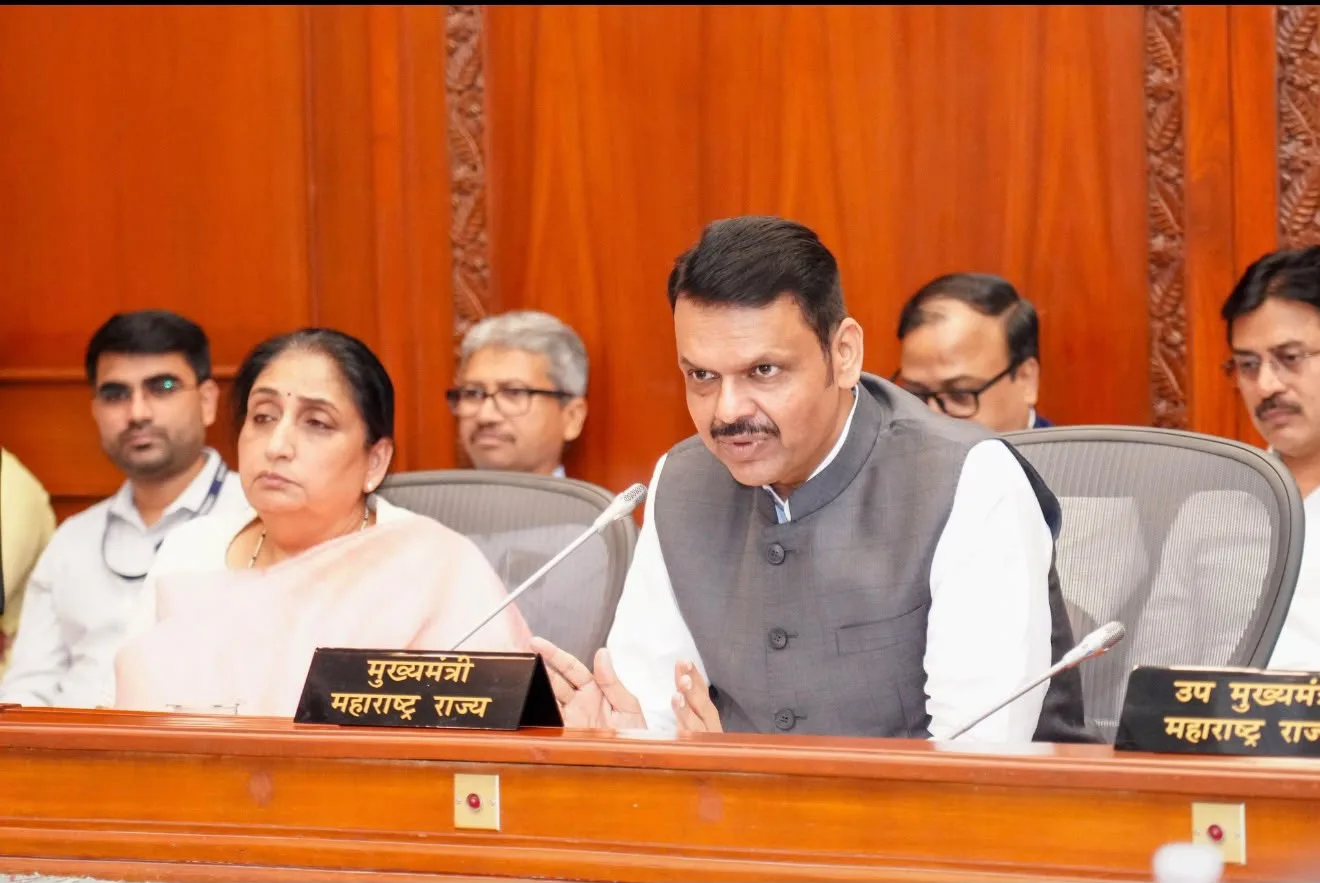
The state government has responded to the situation by declaring drought conditions in more than 70 percent of the talukas across Maharashtra. This declaration highlights the serious implications for agriculture and water supply in the affected areas, as farmers face challenges due to insufficient rainfall.
Looking ahead, the IMD has indicated that conditions are becoming favorable for the further withdrawal of the southwest monsoon from additional parts of Maharashtra, including Marathwada and Vidarbha, over the next few days. This could exacerbate the existing drought conditions if rainfall does not improve significantly in the near future.