Maharashtra's November Weather Forecast Predicts Mixed Conditions
The India Meteorological Department warns of above-normal daytime temperatures and variable rainfall across Maharashtra this November.
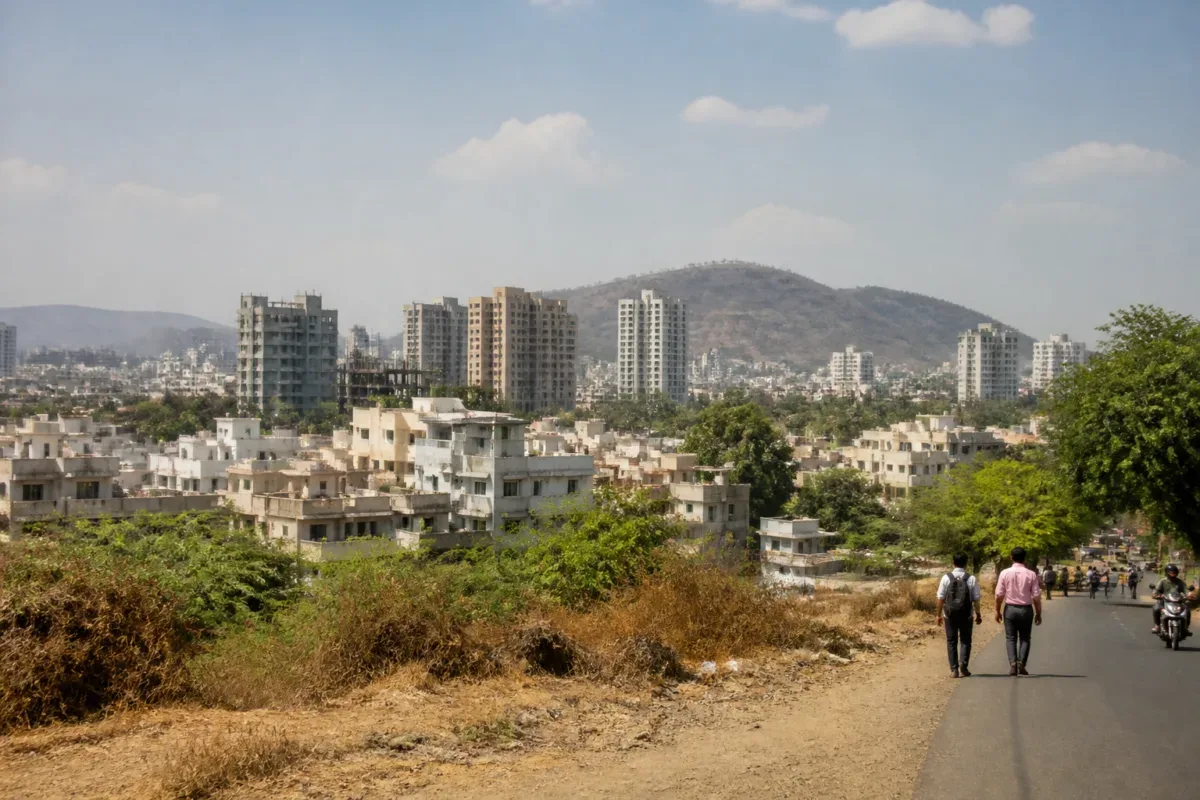
Daytime temperatures in Maharashtra are expected to be above normal throughout November.
Rainfall may be normal to above-normal in some areas, but actual amounts could remain low.
The forecast highlights significant regional variations in temperature and rainfall patterns.
As Maharashtra transitions into November, the India Meteorological Department (IMD) has released a complex weather outlook indicating a mix of above-normal daytime temperatures and variable rainfall across the state. The forecast suggests that while some regions may experience normal to above-normal rainfall, the overall quantity is expected to be low, reflecting November's typical dry conditions. This distinction is crucial for urban planning and agricultural strategies in a state that must navigate both heat and water availability.
The IMD's report, originating from its Pune office, highlights that maximum temperatures are likely to exceed normal levels in most areas of Maharashtra. Conversely, minimum temperatures may remain normal to below normal in regions such as Madhya Maharashtra and Marathwada, leading to warmer nights in other parts of the state. This creates a diverse weather scenario where urban and regional administrations must interpret conditions based on local geography and time of day.
In terms of rainfall, the IMD has cautioned that while some areas might receive normal to above-normal precipitation, this does not guarantee substantial rainfall. November historically records low rainfall, and thus, a forecast indicating favorable percentages may still correspond to modest absolute amounts. Dr. Mrutyunjay Mohapatra, IMD's director-general, emphasized that rainfall categories should not be viewed in isolation but in the context of historical data.
The implications of this forecast are significant for Maharashtra's urban planning and water management strategies. Authorities must recognize that the forecast does not assure improved water security or replenished reservoirs. Instead, it underscores the need for careful monitoring and localized interpretation of weather data, particularly in light of the considerable year-to-year variation in rainfall patterns.
Looking ahead, the IMD's temperature outlook suggests a higher likelihood of above-normal daytime temperatures across Maharashtra, influenced partly by the El Niño phenomenon. As the state navigates through November, local observations and subsequent updates from the IMD will be vital in understanding how these broad patterns manifest at the district and city levels. The forecast serves as a reminder that while it indicates potential weather trends, it does not provide definitive predictions for specific regions, necessitating a nuanced approach to climate-sensitive planning.