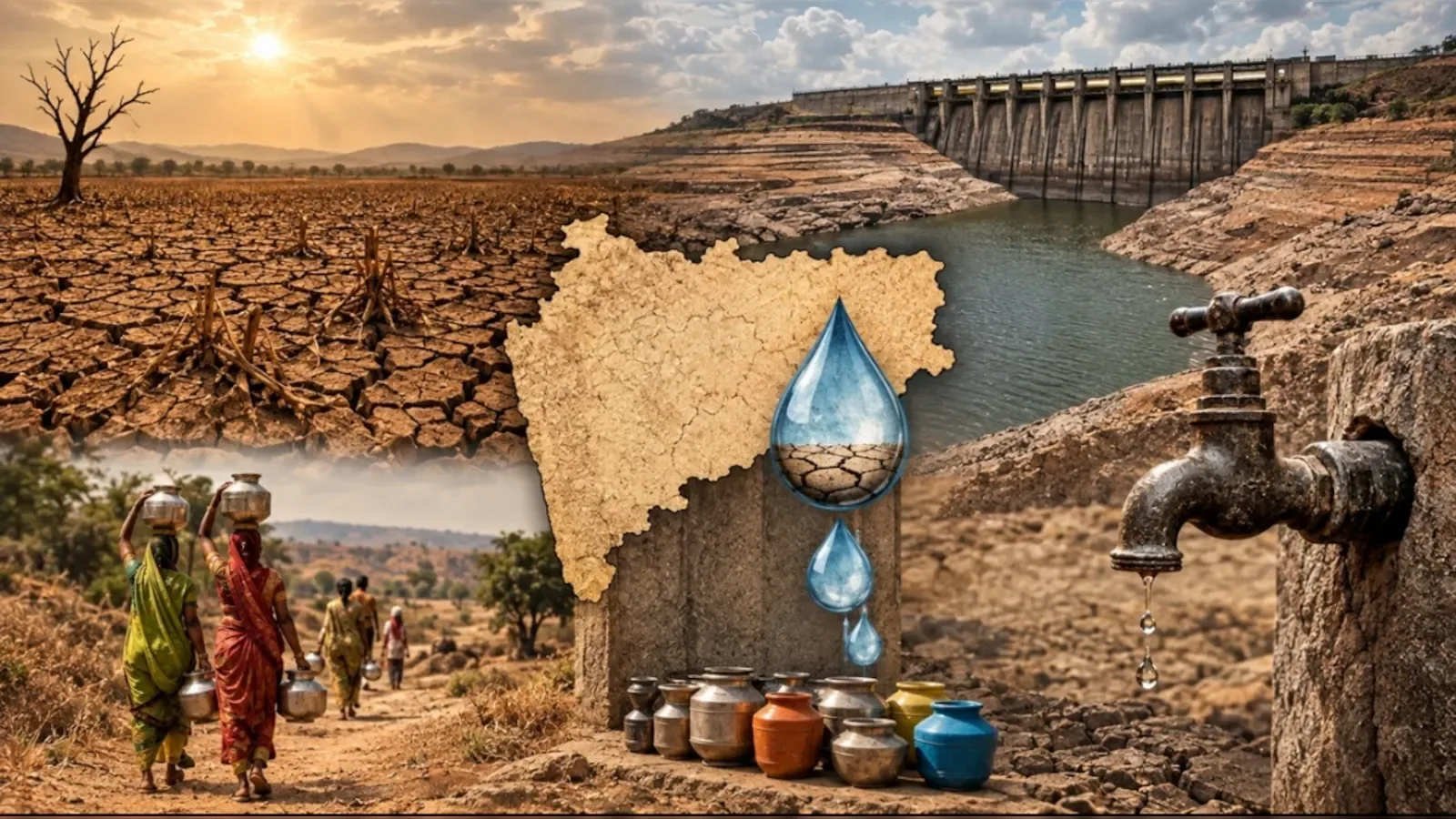
Maharashtra Faces Severe Drought: 265 Talukas Affected
Farmers in Maharashtra are struggling to save their crops and trees as the state experiences its worst drought in decades.
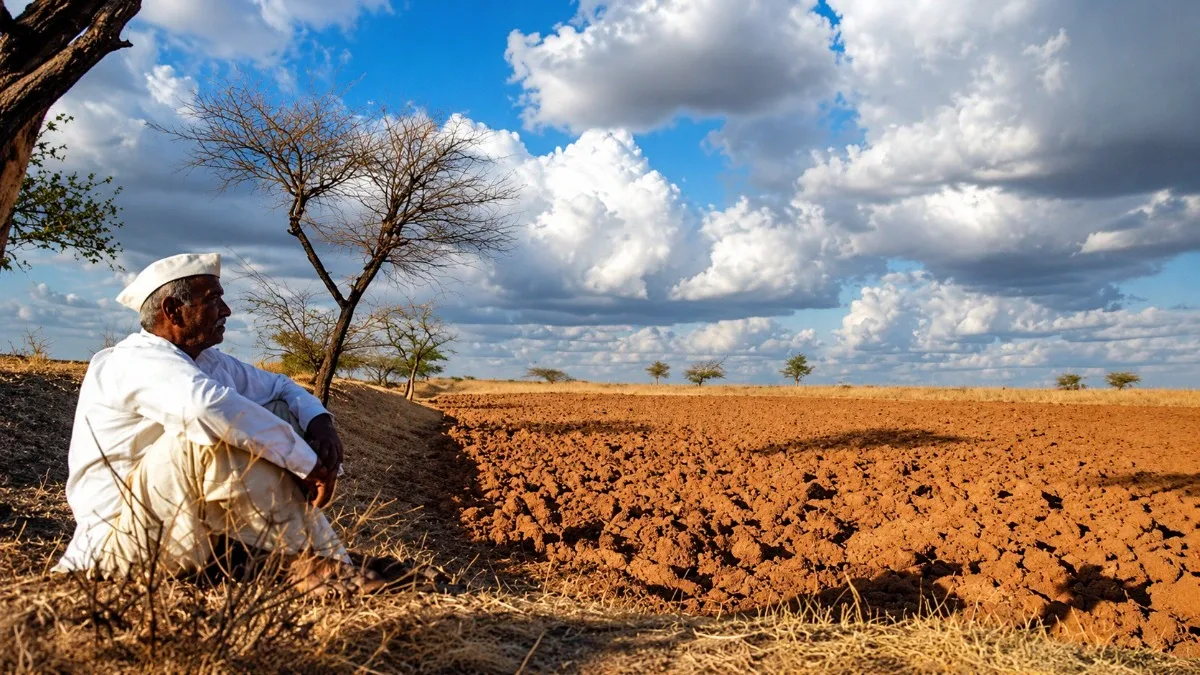
265 out of 358 talukas in Maharashtra are declared drought-affected.
Farmers are losing their crops and facing soaring water costs.
The state government is providing some relief, but immediate water supply is critical.
Maharashtra is grappling with one of its most severe droughts in 50 years, impacting farmers across the state. As of September, 265 of the state's 358 talukas, nearly 74%, have been declared drought-affected. This alarming situation has led to widespread crop failure, particularly among fruit growers who are now fighting to save their trees and vines amidst dwindling water supplies.
The current drought is being compared to the catastrophic drought of 1972, with many farmers expressing that this year's conditions are even more dire. The state has experienced an 18.8% rainfall deficit, exacerbated by the effects of El Niño, which has severely disrupted the monsoon. Farmers in regions like Marathwada and Vidarbha are particularly affected, with reports indicating that wells are drying up and the costs of transporting water to farms are skyrocketing.
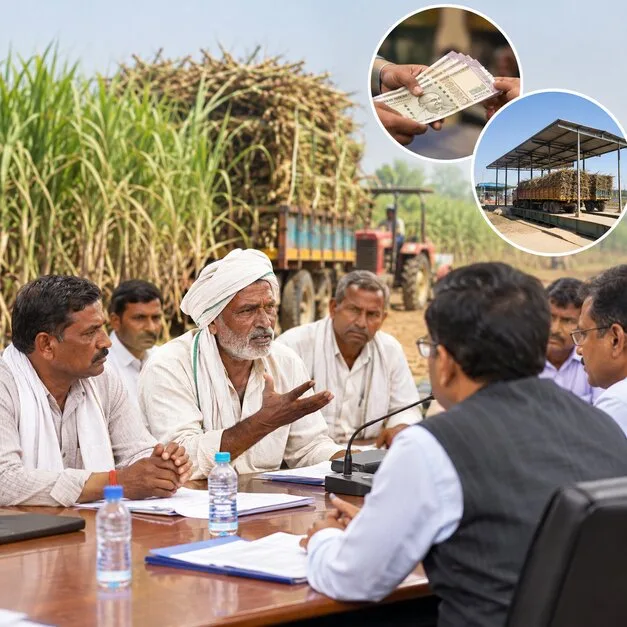
In response to the crisis, Maharashtra's Chief Minister Devendra Fadnavis has announced several measures, including loan restructuring and land revenue concessions. However, farmers are demanding immediate access to water, with some suggesting the use of tanker supplies and water trains to sustain their crops. The urgency of the situation is underscored by the fact that losing these perennial plantations could mean years of setback for farmers, who rely heavily on their harvests for income.
The implications of this drought extend beyond the immediate agricultural sector. Maharashtra is a key player in India's horticulture, contributing over 69% of the country's grape production and significant quantities of pomegranates and bananas. The loss of these crops could disrupt supply chains and impact markets both domestically and internationally. Farmers are not only concerned about their current losses but also about the long-term viability of their orchards, which require years of investment and care to establish.
Looking ahead, the situation remains precarious. A central team has been dispatched to assess the damage and relief needs between October 8 and 11. With the harvest cycle for grapes and other fruits critically affected, farmers are anxious about the future. The government’s response and the effectiveness of relief measures will be crucial in determining the recovery of Maharashtra's agricultural landscape in the coming months.