Maharashtra Implements Strict Water Restrictions Amid Crisis
As Maharashtra grapples with severe water shortages, the state government introduces stringent measures including fines and supply cuts.
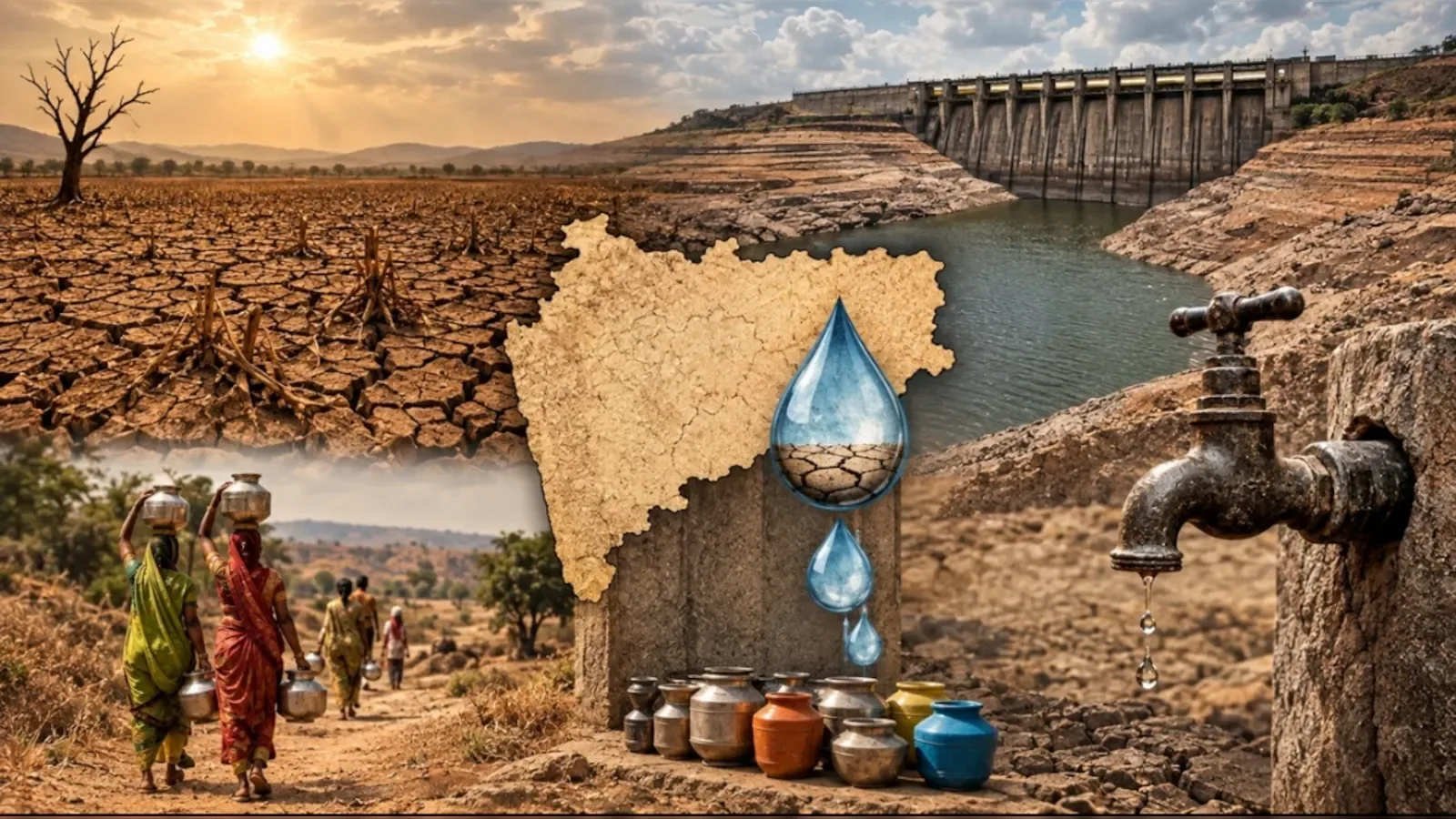
Maharashtra faces a critical water crisis exacerbated by high temperatures and poor monsoon.
Cities like Nagpur and Pune are enforcing fines and mandatory water cuts to conserve resources.
Chhatrapati Sambhajinagar is losing 1.649 billion liters of water daily to evaporation, intensifying the crisis.
Maharashtra is facing a significant water crisis as the state government announces emergency measures to conserve dwindling water supplies. With temperatures soaring and the monsoon failing to deliver adequate rainfall, authorities are implementing strict regulations across major cities, including Nagpur, Pune, and Chhatrapati Sambhajinagar. These measures aim to manage the current water scarcity, which has reached alarming levels this early in the season.
The ongoing El Nino phenomenon and insufficient monsoon rains have placed Maharashtra in a precarious situation, where water scarcity is not only a public health issue but also poses potential law-and-order challenges. As temperatures rise above 38 degrees Celsius even in October, the state is witnessing a severe depletion of water reserves, prompting the government to act decisively to ensure the availability of water for its citizens.
In Nagpur, the second capital of Maharashtra, the municipal corporation has introduced a fine of Rs 5,000 for each instance of water wastage, which includes activities like washing vehicles and watering gardens. Additionally, illegal water connections will be met with criminal charges, and efforts will be made to facilitate legal connections and proper water metering. The measures aim to curb consumption and ensure that the remaining water supply lasts as long as possible.
Pune, known for its cultural and IT significance, is also facing stringent water restrictions. Starting October 15, the city will experience water cuts every Thursday, and vehicle washing centers have been ordered to close. Residents are urged to report leaks and ensure that sewage treatment plants are operational to maximize the use of treated water for non-potable purposes.
In Chhatrapati Sambhajinagar, the situation is dire as the Jayakwadi Dam is losing approximately 1.649 billion liters of water daily due to evaporation. This loss is equivalent to the weekly water consumption of the city's 1.8 million residents. As the state continues to grapple with high temperatures and limited water reserves, the focus will be on ensuring that the available water lasts through the upcoming months, with ongoing monitoring and potential adjustments to the restrictions as necessary.