Maharashtra Faces October Heatwave, Water Crisis, and Dengue Surge
Maharashtra grapples with record temperatures, severe drought impacting agriculture, and a spike in dengue cases across major cities.

Mumbai recorded its hottest October day in over seven years at 38.2°C on October 12.
Severe drought in Jalna is devastating grape vineyards, prompting farmers to seek ₹1 lakh per hectare in aid.
Pune is experiencing a significant rise in dengue cases, with September accounting for 40% of total infections this year.
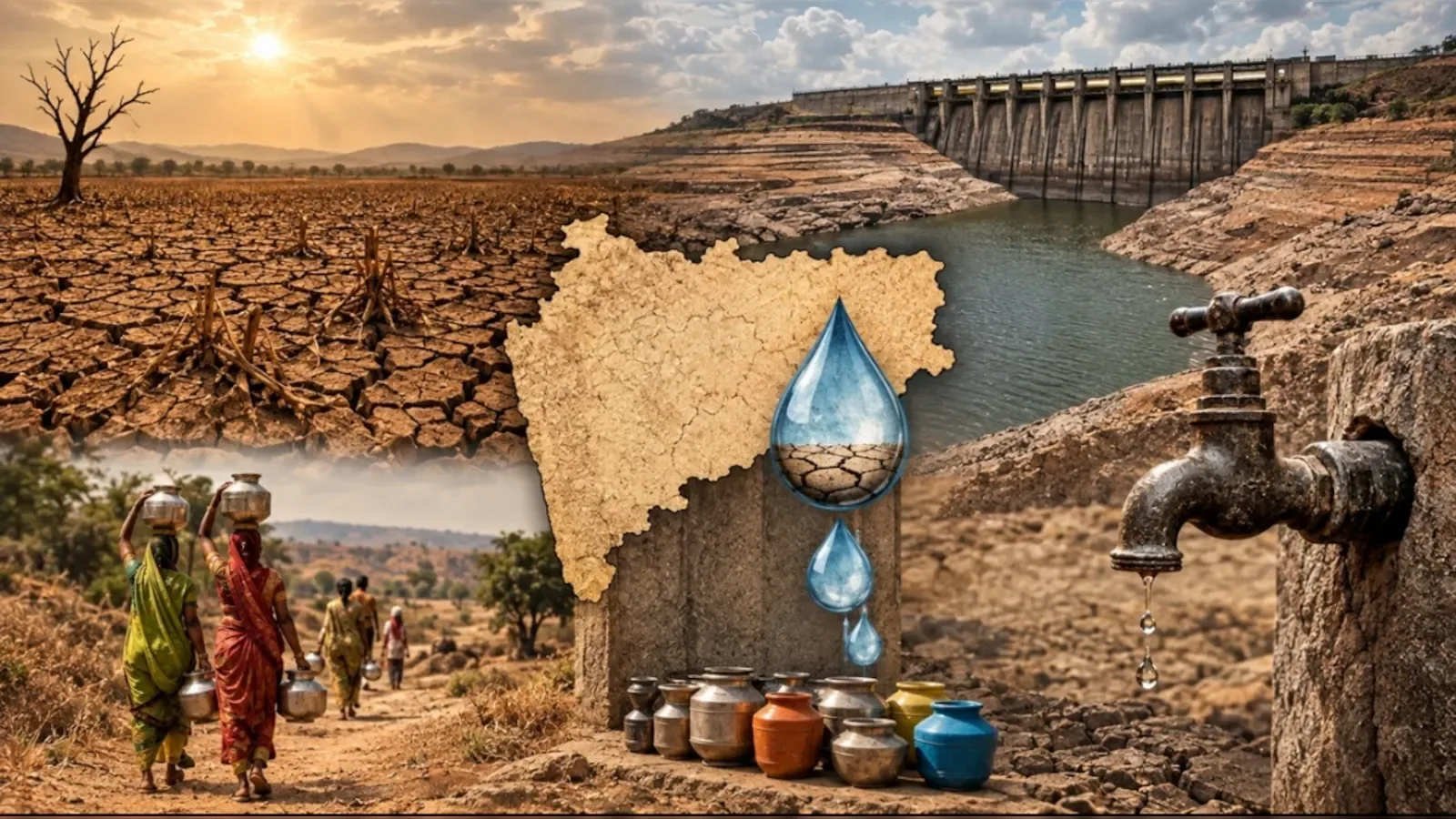
Maharashtra is currently enduring an unprecedented heatwave this October, with temperatures soaring across the state. On October 12, the Santacruz weather station in Mumbai recorded a maximum temperature of 38.2°C, marking the hottest October day since 2015. This extreme heat is part of a broader trend, with several regions in the Konkan witnessing record-breaking temperatures due to a persistent high-pressure system and the early withdrawal of the monsoon.
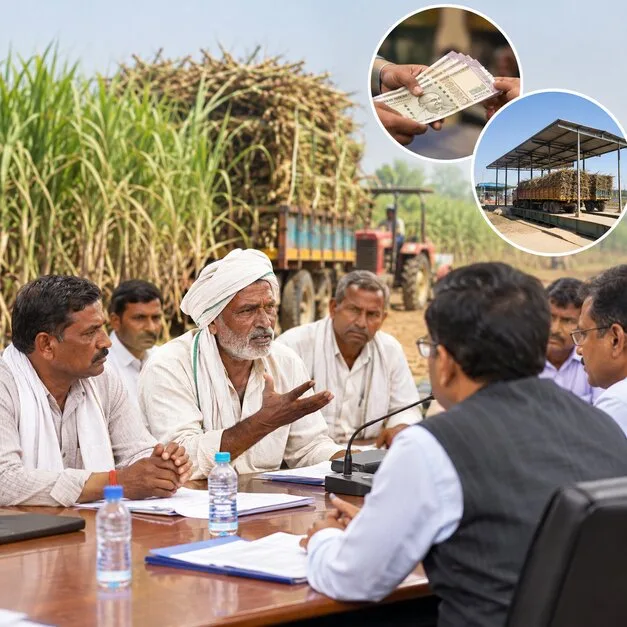
The ongoing drought has severely impacted agricultural activities, particularly grape farming in Jalna district. Reports indicate that hundreds of hectares of vineyards are suffering from drought conditions, leading to significant crop losses. Farmers, who have heavily invested in their crops, are now facing financial ruin and are demanding urgent government assistance of ₹1 lakh per hectare to mitigate their losses.
In addition to the agricultural crisis, water supply issues are escalating in urban areas. The Pune Municipal Corporation has announced a weekly water shutdown every Thursday to conserve resources amid fears of El Niño's impact on water availability. Meanwhile, Mumbai continues to enforce water cuts, with the Brihanmumbai Municipal Corporation urging residents to conserve water as the city faces a gap between demand and supply.
The health crisis is compounded by a surge in dengue cases in Pune, where the Municipal Corporation reported 2,391 cases from January to September 2026, with September alone accounting for nearly 40% of these infections. The rise in vector-borne diseases has prompted health authorities to enhance efforts in mosquito control and prevention measures.
Looking ahead, the situation in Maharashtra remains precarious. With the heatwave expected to persist and water conservation measures in place, residents are urged to prepare for continued challenges. The government’s response to the agricultural crisis and public health concerns will be critical in the coming weeks as the state navigates these overlapping crises.