Maharashtra Declares 305 Talukas Drought-Affected, Plans Water Strategies
Maharashtra's government is taking proactive measures to address water shortages in 305 drought-hit talukas by implementing village-level plans.
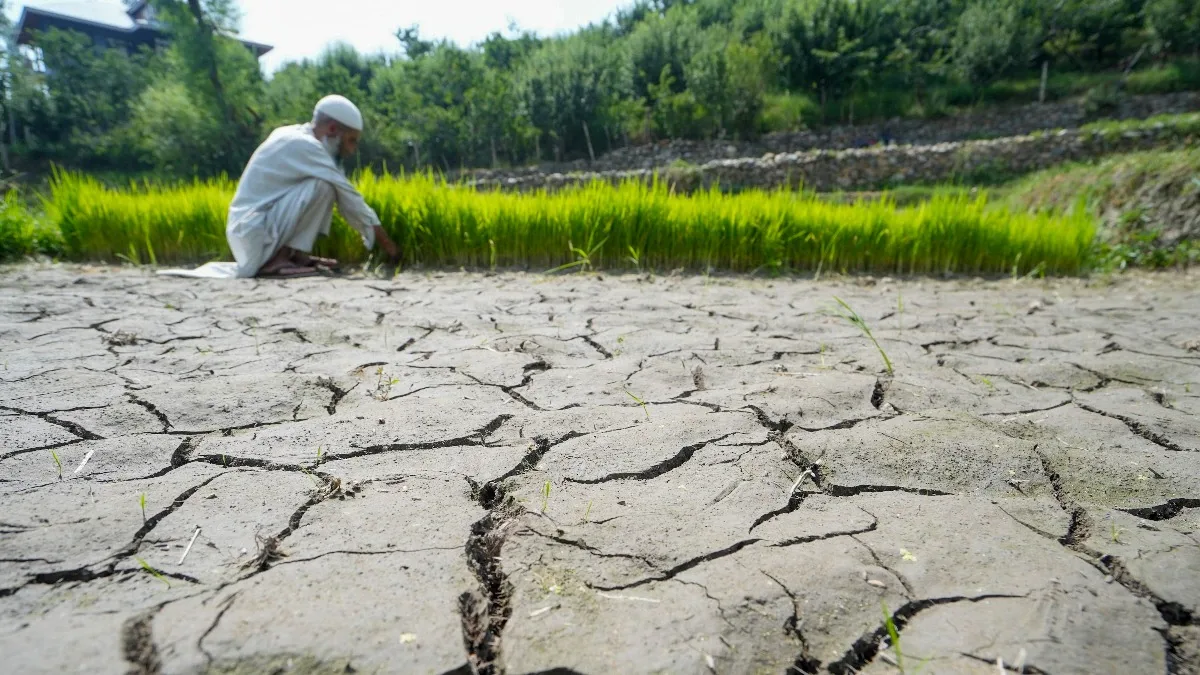
305 out of 358 talukas in Maharashtra are now drought-affected due to insufficient rainfall.
Water Supply Minister Gulabrao Patil has mandated village-level plans to be ready by October 25.
Prioritization of nearly completed water supply schemes is essential to expedite relief efforts.
In a significant response to the ongoing drought situation, Maharashtra has declared 305 of its 358 talukas as drought-affected due to inadequate rainfall. Water Supply and Sanitation Minister Gulabrao Patil convened a review meeting in Mumbai, where he emphasized the urgency of preparing village-level strategies to mitigate potential water shortages, particularly in the Nagpur, Amravati, and Konkan divisions. The deadline for these plans has been set for October 25.
The minister's directive comes amid concerns over water scarcity, although he noted that there is currently no severe shortage in the affected regions. Patil instructed officials to conduct thorough inspections of the drought-hit areas and engage with local elected representatives and gram panchayats to ensure that the plans are comprehensive and effective. He stressed that the deployment of water tankers should only be considered as a last resort.
Patil also highlighted the importance of completing ongoing water supply schemes under the Jal Jeevan Mission, particularly those that are 75 to 99 percent finished. He urged officials to expedite the completion of necessary infrastructure, including pipelines, pumps, and electricity connections, and to finalize documentation for schemes that are nearing completion to facilitate timely fund disbursement. Completed projects must be handed over to local governing bodies for operation and maintenance.
In addition to enhancing existing water supply systems, the minister called for targeted plans to recharge local water sources, such as wells and farm ponds, and to construct check dams. He recommended utilizing funds from the District Planning Committee’s allocations to strengthen these local water resources. Patil emphasized the need for a proactive approach, including cleaning and disinfecting wells, planning water distribution, and promoting responsible water usage before resorting to tanker deployment.
Looking ahead, the state government aims to address complaints and media reports regarding water scarcity by ensuring that officials visit affected villages. The focus will be on implementing effective water management strategies and reinforcing local infrastructure to better cope with the ongoing drought conditions.