Maharashtra Challenges FSSAI's Authority in Bombay High Court
The Maharashtra government has filed a petition against FSSAI, claiming it undermines state food safety powers.
Maharashtra alleges FSSAI has created a parallel enforcement structure.
The dispute centers on the interpretation of the Food Safety and Standards Act, 2006.
Maharashtra seeks to restore its authority over food safety inspections.
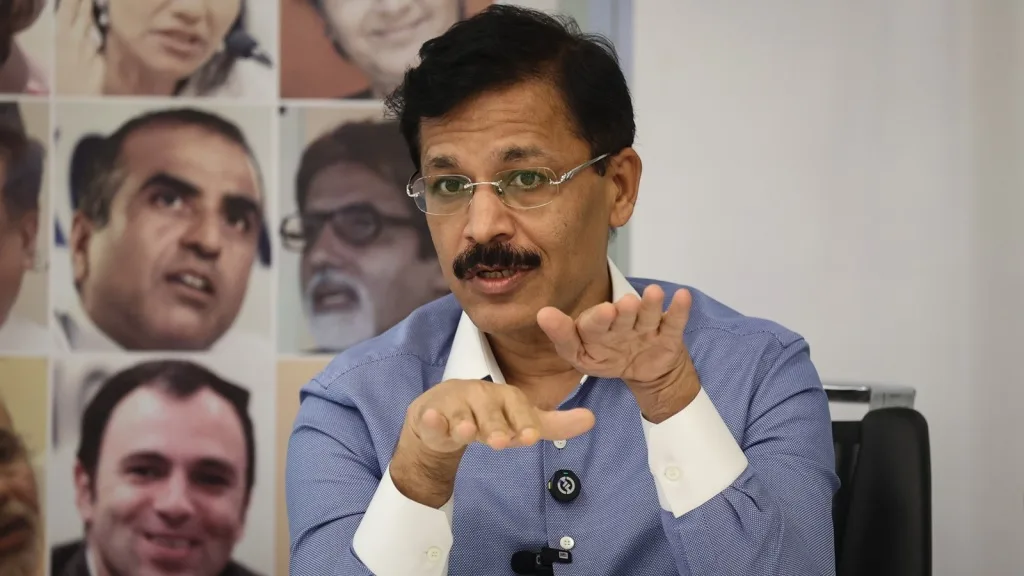
The Maharashtra government has initiated legal action against the Food Safety and Standards Authority of India (FSSAI) in the Bombay High Court, asserting that the central body has overstepped its jurisdiction and encroached upon the state's statutory powers regarding food safety enforcement. This petition, filed by Maharashtra's Food Safety Commissioner Tukaram Mundhe, challenges the regulatory framework governing centrally licensed food businesses, arguing that it undermines the state's authority.
The core of the dispute lies in the interpretation and implementation of the Food Safety and Standards Act (FSS Act), 2006. Maharashtra contends that the Act was designed to decentralize food safety administration, placing the responsibility primarily on state-level officials, including State Commissioners of Food Safety and local bodies. However, the state claims that subsequent FSSAI orders have shifted enforcement powers towards central officials, thereby diluting the role of state authorities in food safety management.
A significant point of contention is an FSSAI order issued on May 12, 2023, which allegedly restricts State Food Safety Commissioners from independently enforcing the FSS Act in establishments with a Central Licence. Maharashtra argues that this order, along with the establishment of positions such as Central Licensing Authorities and Central Food Safety Officers, creates a parallel enforcement structure that usurps the powers of state officials. The legal proceedings will address the critical issue of jurisdictional boundaries between central and state enforcement mechanisms.
Additionally, Maharashtra has raised concerns regarding FSSAI's recent amendments to licensing thresholds, which determine whether a food business requires a state or central licence. The revised thresholds, effective from April 1, 2026, have been challenged by the state on the grounds that they were introduced without adequate public consultation. Maharashtra also questions the mandatory implementation of the Food Safety Compliance System (FoSCoS), arguing that it could hinder state authorities' ability to effectively monitor and inspect food businesses.
The outcome of this case could have significant implications for food safety governance in India, particularly regarding the balance of power between state and central authorities. Maharashtra's petition seeks not only to quash the contested provisions but also to restore its inspection powers over centrally licensed businesses. As the legal proceedings unfold, the court's decision will likely shape the future of food safety enforcement in the country, raising important questions about cooperative federalism and regulatory authority.