Maharashtra Athletes Aim for Government Jobs Through Sports
Young competitors in Maharashtra are turning to sports as a pathway to financial stability and government employment.
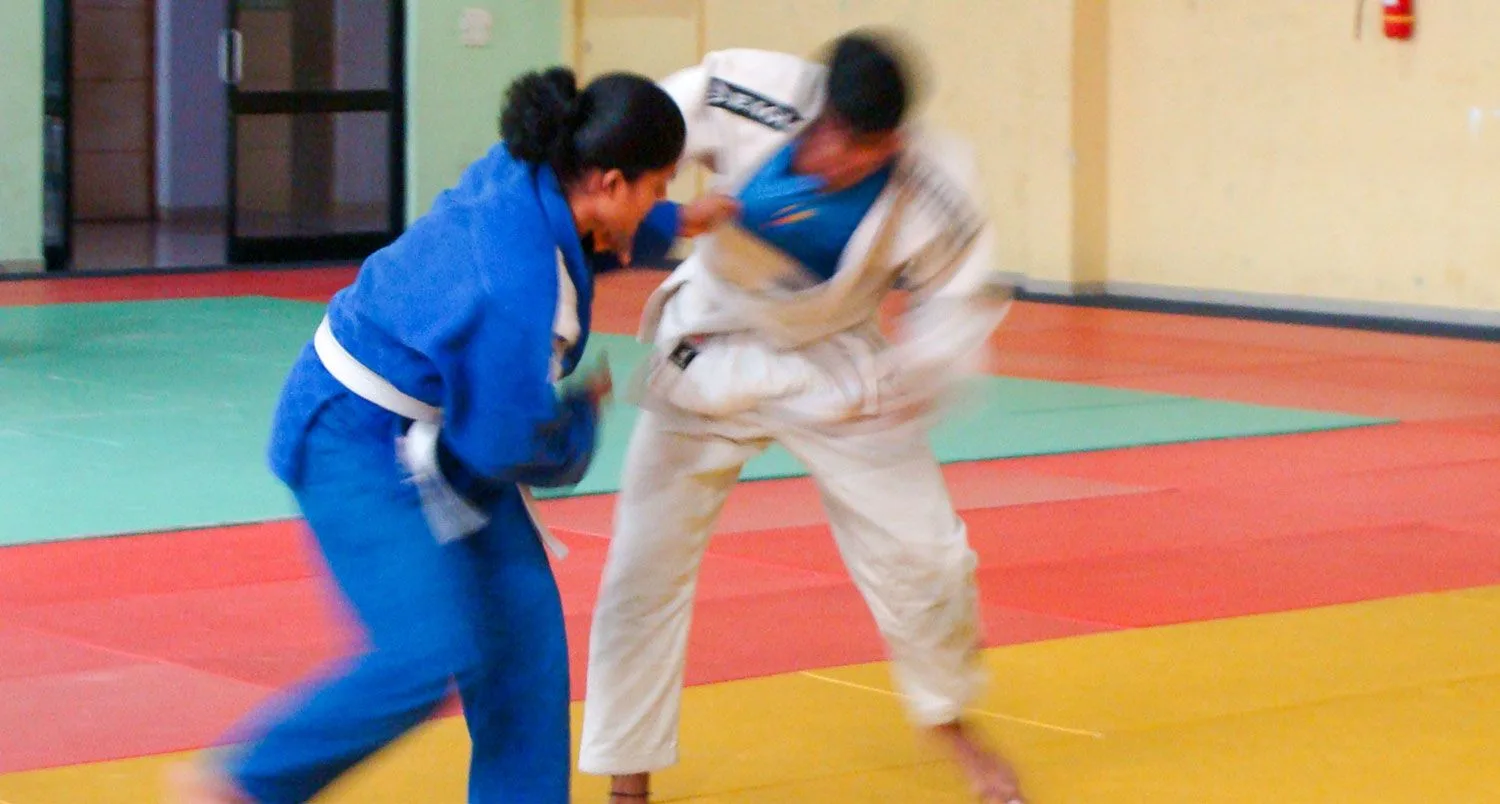
Maharashtra athletes are competing in judo to secure government jobs.
Financial constraints drive young athletes to seek part-time work while training.
Government programs like Krida Prabodhini offer support but are often inaccessible to early-stage athletes.
In Maharashtra, aspiring athletes like Soham Kamble and Payal Gilda are striving for success in judo, not just for glory but for the promise of government employment. Soham, a 21-year-old state-level bronze medalist from Indapur, has dedicated himself to the sport, traveling 140 kilometers to Pune for training. He balances his athletic pursuits with part-time work to support his family and cover living expenses, revealing the financial pressures that many young athletes face.
Soham's journey began in Class 9 when he first encountered judo. His passion grew, leading him to leave his village for better training opportunities. His family, which relies on limited agricultural income and a small footwear business, supports his ambitions, but the burden of expectation weighs heavily on him. "If we win, we can get a government job," he states, highlighting the stakes involved in his athletic endeavors.
Payal Gilda, also training at the Desai Judo Center, shares similar aspirations. Raised by a single mother in Beed district, she has excelled in multiple sports, earning scholarships to continue her training. Payal moved to Pune to pursue her education while competing in judo, reflecting on the challenges of leaving her home and the financial realities of sustaining a sports career. She emphasizes the increasing participation of girls in sports, noting a cultural shift that encourages young women to pursue athletic careers.
Despite the support from family and scholarships, both Soham and Payal face significant challenges in their sporting journeys. The Sports Authority of India and Krida Prabodhini offer vital resources for young athletes, including free coaching and lodging. However, many athletes are unaware of these programs or find them inaccessible until they achieve notable success, creating a paradox where only those already excelling receive support.
As these athletes continue to train and compete, the future remains uncertain. Soham and Payal both express a desire for greater awareness and access to resources that could enhance their training and career prospects. With their eyes set on national championships, they hope to not only achieve personal success but also pave the way for future generations of athletes from rural backgrounds.