Maharashtra Sugar Mills Demand Higher MSP Amid Drought Concerns
Sugar millers in Maharashtra advocate for increased minimum selling prices and ethanol rates while warning of the impact of delayed crushing operations.
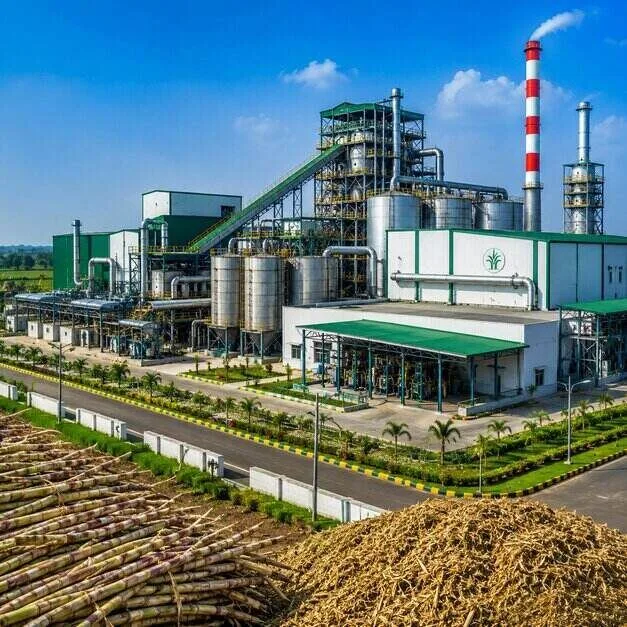
Maharashtra sugar mills are pushing for an increase in sugar MSP from Rs 31 to Rs 50 per kg.
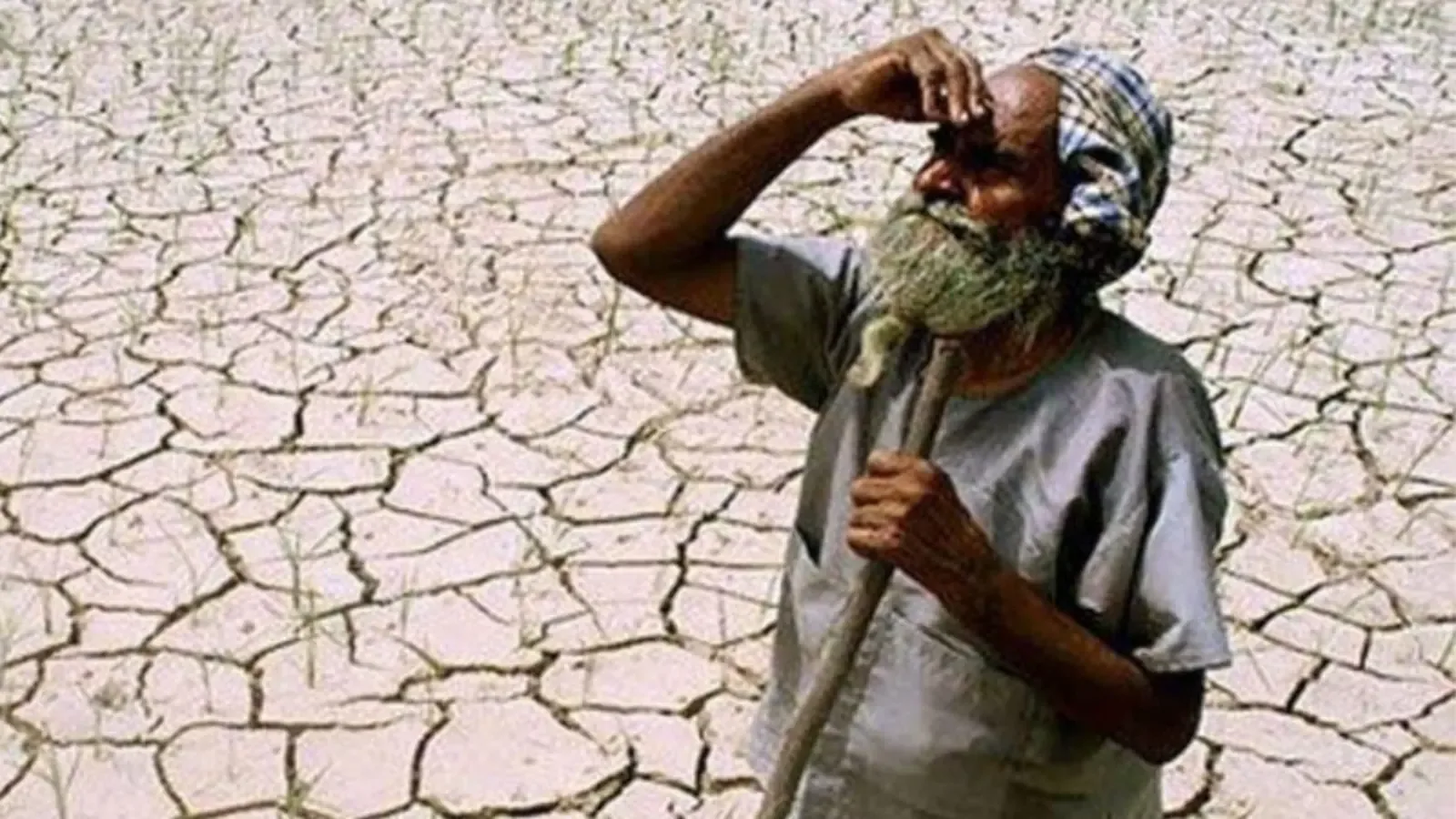
Drought conditions threaten sugarcane yield, with a projected 20% decline in production this season.
Activist Raju Shetti is leading protests, urging cooperative factories to halt crushing until demands are met.
In Maharashtra, sugar mill operators are advocating for a rise in the minimum selling price (MSP) of sugar and ethanol procurement rates, emphasizing the urgent need for these adjustments due to the ongoing drought conditions affecting the industry. The Western India Sugar Mills Association (WISMA) has expressed that the current MSP of Rs 31 per kg is insufficient to sustain the financial health of sugar mills, which are under significant pressure to pay farmers adequately.
Bhairavnath Thombare, WISMA chairperson, highlighted that the existing sugarcane fair and remunerative price (FRP) of Rs 3,650 per tonne is also inadequate. He warned that delaying the commencement of crushing operations could lead to further losses for farmers, particularly in drought-stricken areas where sugarcane is deteriorating. He noted that nearly 40-50% of sugarcane in Marathwada is drying up, prompting some mills to prioritize harvesting in other regions.
Raju Shetti, president of the Swabhimani Shetkari Sanghatana, has intensified his agitation, calling for cooperative sugar factories to suspend crushing until the government addresses the farmers' demands. His recent actions include leading blockades on major highways and organizing protests at weighbridges in Sangli and Satara districts. Shetti is advocating for an increase in the sugar MSP to Rs 50 per kg and a rise in ethanol prices to Rs 70 per litre, arguing that these changes are crucial for improving the financial viability of mills and ensuring better returns for farmers.
The sugar MSP has remained unchanged since February 2019, despite rising costs for sugarcane procurement. In response to the ongoing situation, the Indian government has formed a committee to evaluate farmers' demands for higher payments and a potential revision of the sugar MSP. This committee, led by former NITI Aayog member Ramesh Chand, will assess the cultivation costs and the financial state of sugar mills, aiming to find a resolution to the ongoing crisis.
As the crushing season officially begins, many mills have yet to start operations, raising concerns about the impact on sugarcane quality and yield. Activists like Shetti are urging factory owners to support their demands openly, warning that mills that choose to operate without addressing these issues may face significant financial repercussions. The situation remains fluid as stakeholders await government action on the pressing demands of farmers and the sugar industry.