Hiware Bazar's Innovative Water Management Strategy
Hiware Bazar, a Maharashtra village, has transformed its drought response into a sustainable water management model, ensuring agricultural resilience.
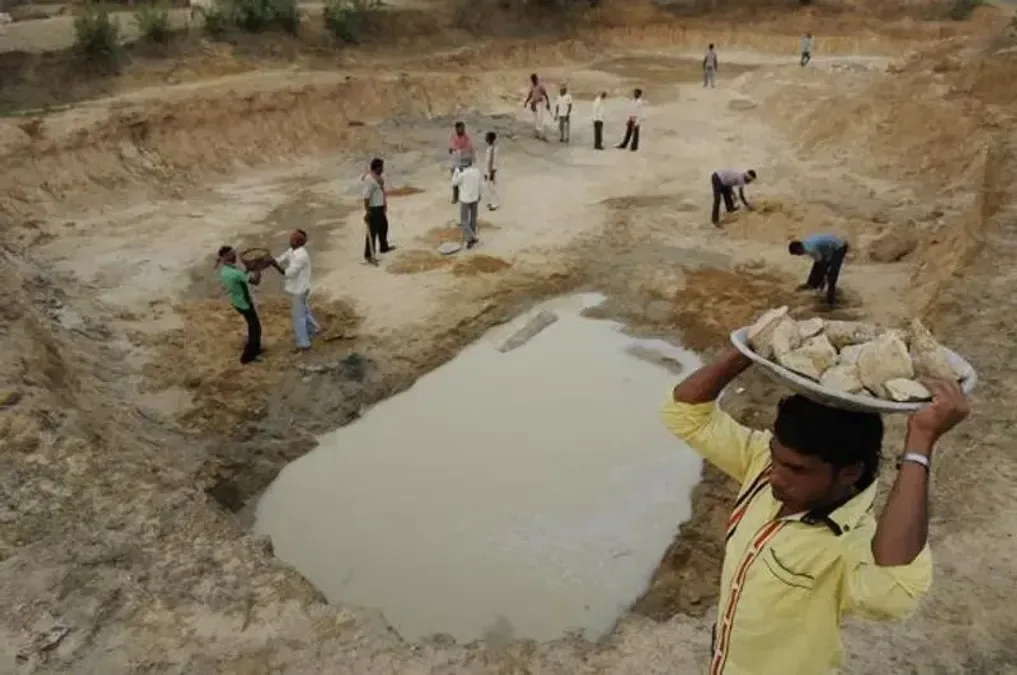
Hiware Bazar has successfully increased irrigated land from 120 to 260 hectares since 1999.
The village's annual water budgeting informs crop choices, enhancing sustainability.
Maharashtra aims to replicate Hiware Bazar's water management model in other drought-affected areas.
In a remarkable transformation, Hiware Bazar, located in Maharashtra's Ahilyanagar district, has turned its drought challenges into a sustainable water management success story. Once facing severe water scarcity, with only 13% of its farmland irrigated and a significant portion of its population having migrated, the village has made significant strides in water conservation and agricultural resilience since the 1990s.
Historically, Hiware Bazar struggled with low rainfall, averaging just 400 mm annually, which led to a mass exodus of residents in the early 1990s. However, the village began to implement innovative water management strategies under the leadership of sarpanch Popatrao Pawar. The village's approach includes utilizing Employment Guarantee Scheme funds to regenerate land and water resources, which has proven effective even during years of below-average rainfall, such as the recent monsoon season that ended with a 12.6% deficit across India.
The village's water management initiatives began in earnest after Pawar's unopposed election in 1989. By collaborating with various agencies, Hiware Bazar undertook extensive watershed development projects, including the construction of contour trenches and rainwater harvesting structures. This proactive approach has led to a significant increase in the number of wells and irrigated land, with records showing a rise from 97 wells to 217 and irrigated land expanding from 120 hectares in 1999 to 260 hectares by 2006. As a result, families began returning to the village, drawn by improved living conditions and agricultural opportunities.
Hiware Bazar's success has broader implications for Maharashtra, a state grappling with persistent drought conditions. The Maharashtra government has recognized the village's innovative water budgeting practices and is looking to replicate these strategies in other drought-affected regions. By training officials to assist communities in implementing similar water management techniques, the state aims to enhance agricultural sustainability and resilience against climate variability.
Looking ahead, Hiware Bazar's model serves as a blueprint for other villages facing similar challenges. The village's annual water budgeting meetings allow residents to make informed decisions about crop choices based on available water resources. This holistic approach not only addresses immediate drought relief but also prepares the community for future dry spells, demonstrating that proactive planning can lead to long-term sustainability in agriculture and water management.