Gondia Villages Seek Exclusion from Drought List Amid Water Supply Issues
Residents of three villages in Gondia, Maharashtra, are requesting to be removed from the drought-hit list, citing irrigation restrictions.
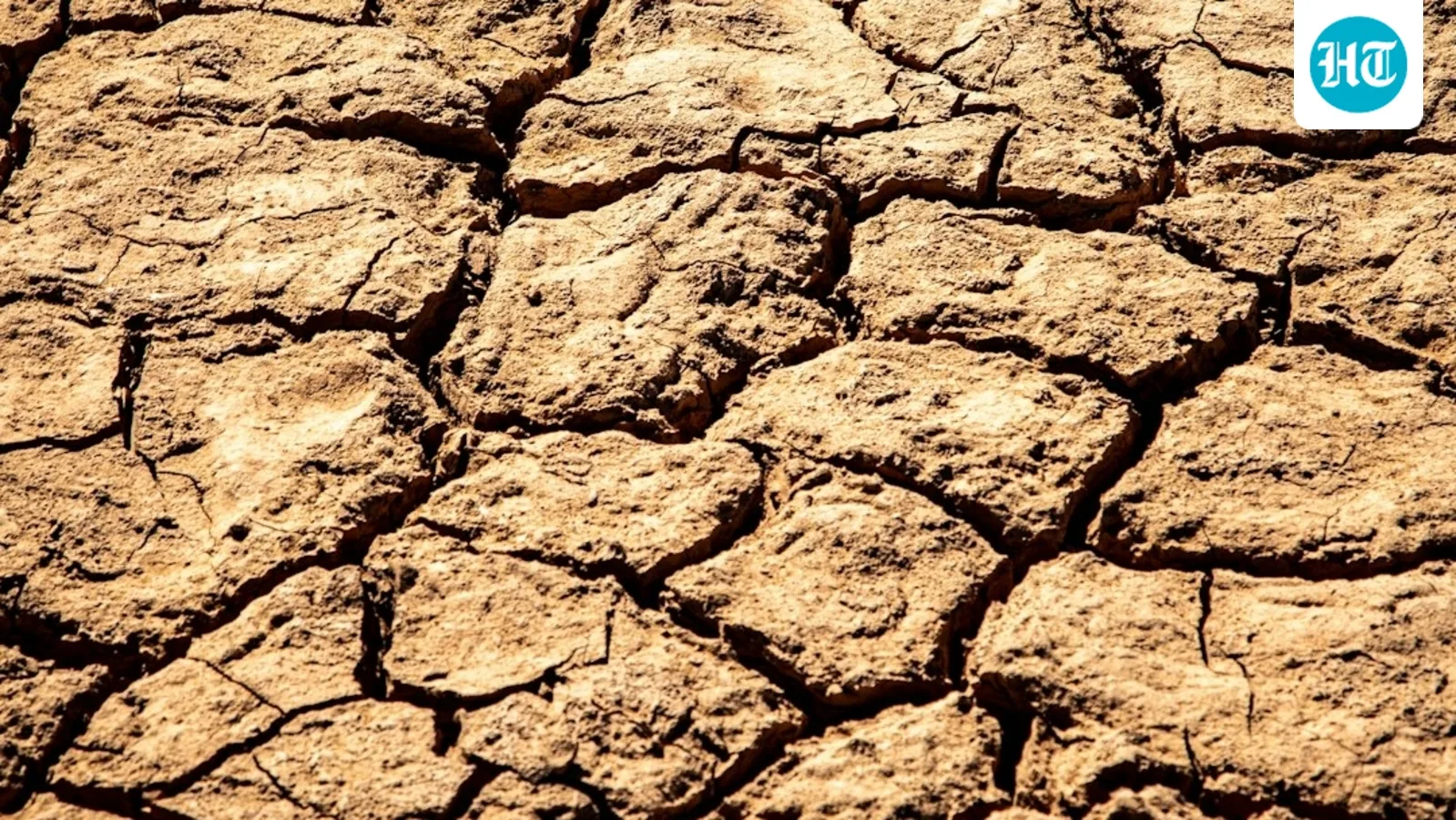
Villagers argue that drought classification limits irrigation water supply.
Farmers are willing to forgo government benefits if irrigation is restored.
Concerns over human-wildlife conflict due to water shortages are rising.
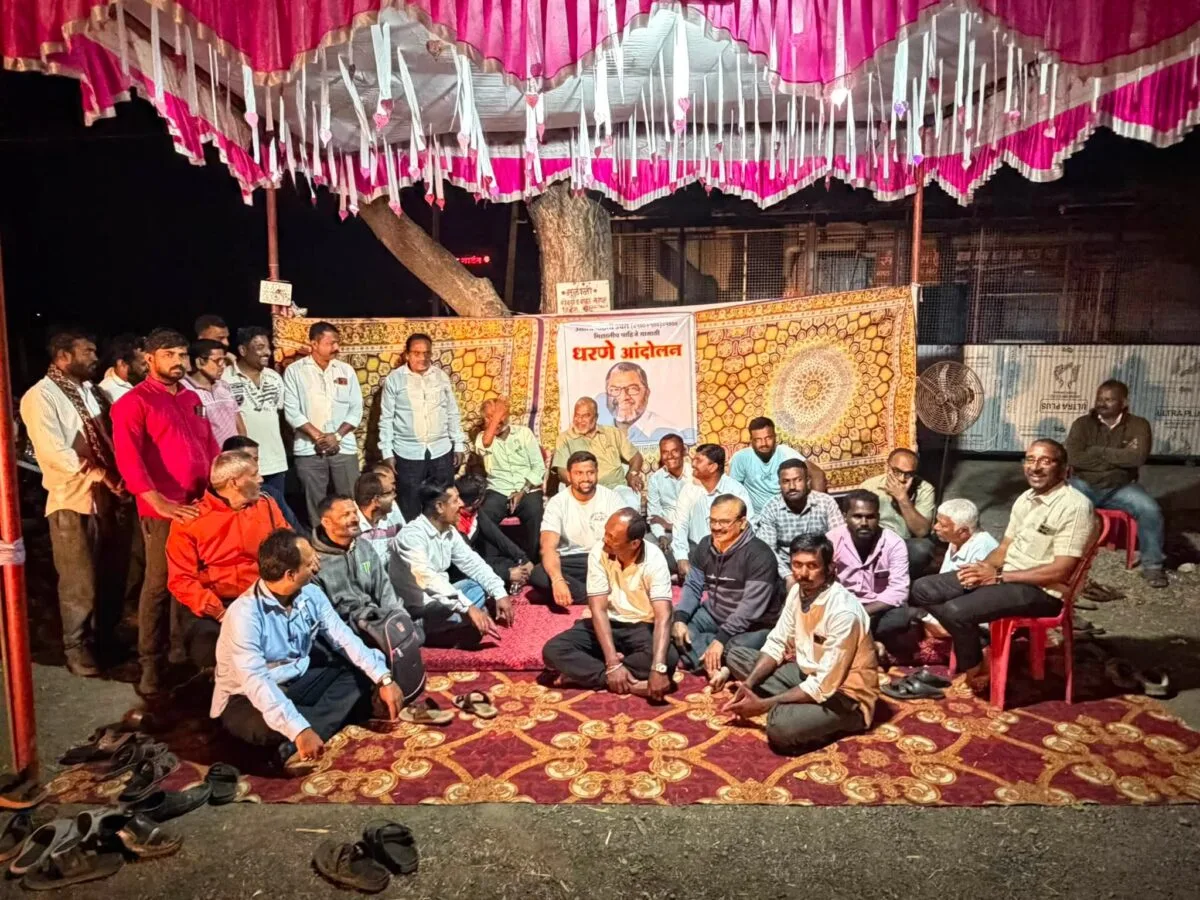
In a surprising turn of events, residents from three villages in Gondia district, Maharashtra, have formally requested to be excluded from the state's drought-hit list. The villages of Arjuni Moregaon, Sadak Arjuni, and Goregaon argue that their inclusion has led to significant restrictions on irrigation water supply, adversely impacting their agricultural practices.
The demand for exclusion comes amidst a backdrop where many regions in Maharashtra are pushing for recognition as drought-affected areas. Villagers have expressed that the classification, while intended to provide assistance, has resulted in water cuts that hinder the cultivation of crucial rabi crops, particularly paddy, which is a staple in the region. They have communicated their concerns to the district collector and have even passed resolutions in their local gram sabhas supporting this initiative.
Farmers have articulated that the drought classification, although it brings certain benefits, has imposed severe limitations on water availability. Lalit Balbodhe, president of the Annadata Dhan Utpadak Sanghtana, noted that the restrictions on water releases from dams have left essential canals dry, making it impossible for them to cultivate rabi crops. He emphasized that the farmers are willing to forgo any government assistance if it means restoring their irrigation water supply, as their losses from crop failures far exceed the benefits offered by the government.
The villagers assert that their areas received adequate rainfall during the monsoon, and they believe that their inclusion in the drought-hit list was unwarranted. Gangadhar Parshuramkar from the Kisan Sanghtana highlighted that the classification has negatively impacted farming, particularly for paddy, wheat, and chana crops. With the looming threat of worsening drought conditions, the state government has mandated strict water usage monitoring, leading to further concerns among local farmers.
Looking ahead, the district administration is expected to review the memorandums submitted by the villagers. As drought conditions persist across Maharashtra, with 32 out of 36 districts affected, the implications of these requests could be significant for local agriculture and water management policies. The situation remains fluid, and farmers are hopeful for a favorable response from the authorities to alleviate their irrigation challenges.