Adnanali Sarkar Sentenced to Six Years in ISIS Case
The NIA secures a six-year sentence for Adnanali Sarkar in a significant ISIS terror case in Maharashtra.
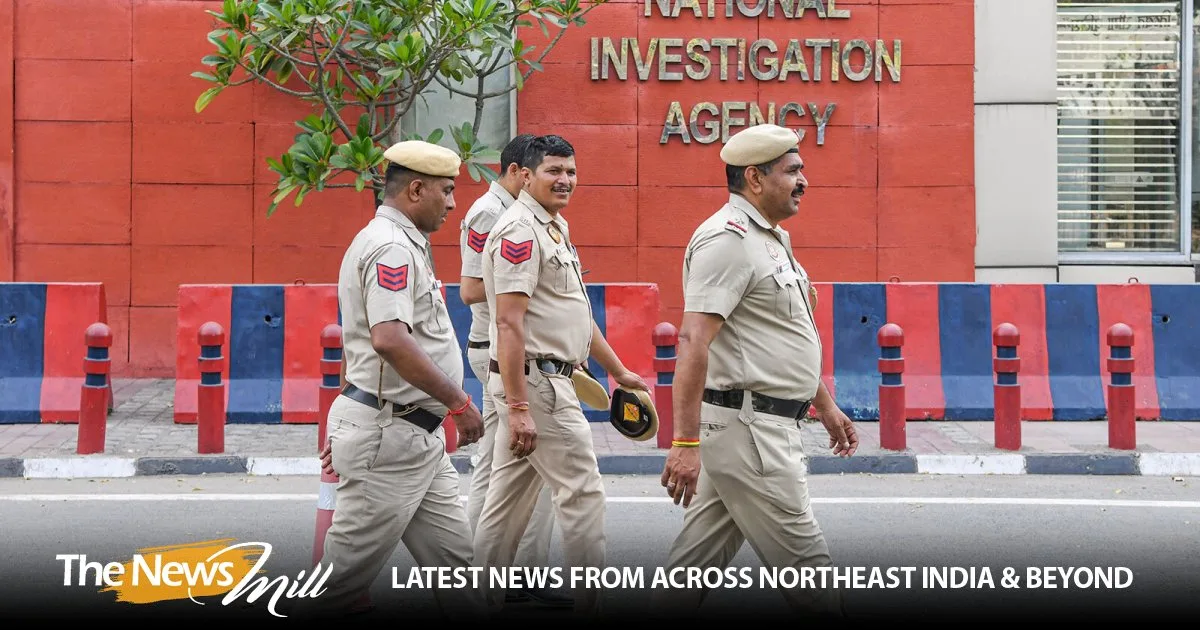
Adnanali Sarkar convicted under multiple sections of the Unlawful Activities Act.
The case revealed a broader conspiracy involving international ISIS connections.
NIA also conducted searches related to a fake currency case during the same week.
The National Investigation Agency (NIA) has achieved a significant legal victory with the conviction of Adnanali Sarkar in connection with the Maharashtra ISIS Terror Module case. On Saturday, a Special Court in Mumbai found Sarkar guilty of multiple charges, including those under the Unlawful Activities (Prevention) Act and the Indian Penal Code, leading to a sentence of six years of rigorous imprisonment along with a fine of Rs. 65,000.
The case against Sarkar was initiated by the NIA on June 28, 2023, after receiving intelligence from the Ministry of Home Affairs regarding a conspiracy involving ISIS members aimed at undermining India's unity and security. The investigation revealed a complex web of international connections, with foreign ISIS operatives allegedly involved in the activities of the accused, who were found to be promoting ISIS ideology, recruiting members, and fundraising for terrorist operations.
Sarkar was one of six individuals charged in this case, which also includes Tabish Nasser Siddiqui, Zulfikar Ali Barodawala, Sharjeel Shaikh, Aakif Ateeque Nachan, and Zubair Noor Mohammad Shaikh. All six have been placed in judicial custody, and the trial for the remaining accused is ongoing. The court's decision marks a crucial step in addressing the threats posed by extremist groups in the region.
In a related development, the NIA conducted extensive searches across Bihar, Jharkhand, and West Bengal as part of an investigation into a case involving counterfeit Indian currency notes. The operation resulted in the seizure of fake notes valued at Rs. 2,48,500, alongside digital devices and incriminating documents. This investigation was prompted by a case registered at the Madanpur Police Station in Aurangabad, Bihar, which has now been taken over by the NIA following a directive from the Ministry of Home Affairs.
Looking ahead, the NIA's ongoing investigations into both the ISIS terror module and the counterfeit currency case highlight the agency's commitment to tackling serious threats to national security. Further developments in the trials and investigations are anticipated as the NIA continues its efforts to dismantle these networks.