223 Talukas in Maharashtra Report Below-Normal Groundwater Levels
A significant rise in groundwater depletion is observed across Maharashtra, with 223 talukas affected this October, marking the highest since 2018.
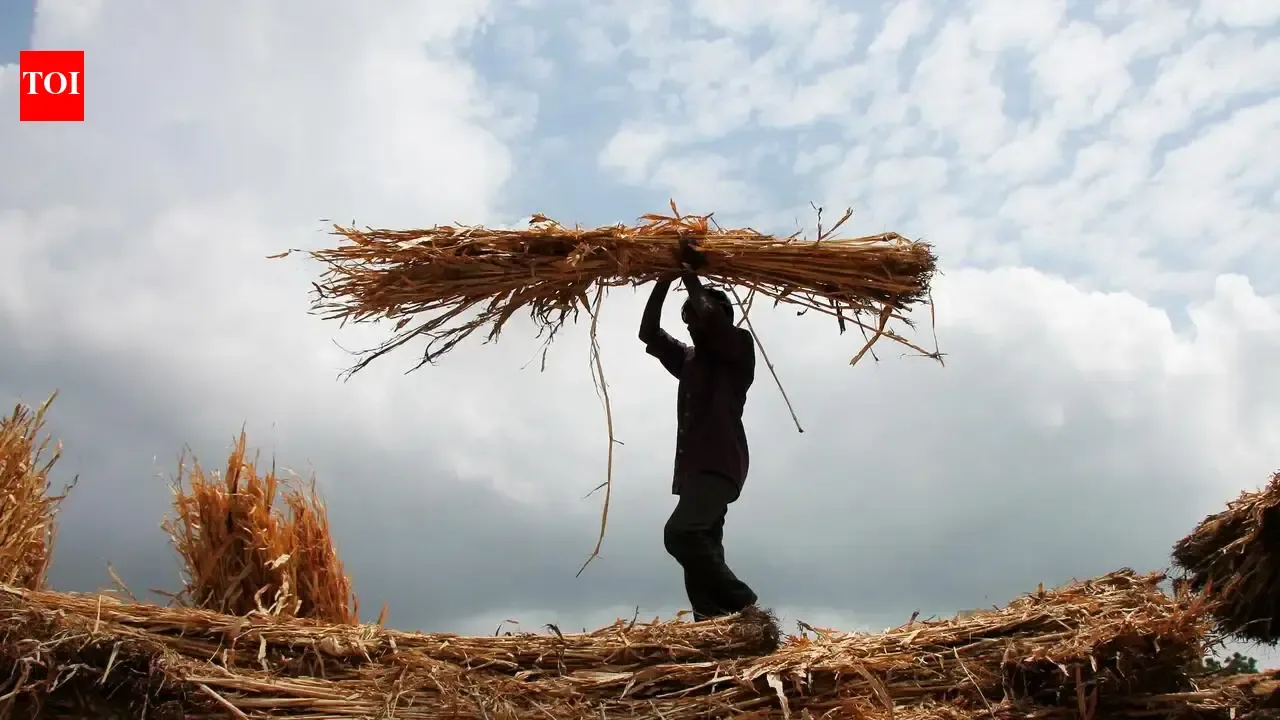
This October, 223 out of 353 talukas in Maharashtra are experiencing below-normal groundwater conditions.
Severe groundwater crises are reported in 42 talukas, with 26 classified as extreme.
Low soil moisture levels may impact upcoming rabi sowing, raising concerns for agriculture.
In a concerning trend for Maharashtra, assessments by the Groundwater Surveys and Development Agency (GSDA) reveal that 223 of the state's 353 talukas are facing below-normal groundwater levels this October. This marks the highest number of affected regions since 2018, when 134 talukas were reported as affected. This year, the situation has worsened, with 42 talukas categorized as severe and 26 as extreme, while 70 are moderate and 85 mild. Only 130 talukas remain in the normal category.
The groundwater crisis is particularly acute in the Marathwada region, where Dharashiv has seven of its eight talukas classified under extreme conditions. Latur reports all ten of its talukas in the severe category, and Beed is facing a “groundwater drought” across all 11 talukas. This drought signifies a prolonged period of below-average water availability in underground sources. The problem extends beyond Marathwada, affecting regions like Solapur, Satara, Sangli, and Ahilyanagar, where all talukas report groundwater levels below the long-term average.
The GSDA completed its groundwater assessment earlier this year, by September 30, to monitor depletion closely, especially as Maharashtra has declared a drought. Additionally, satellite data indicates that root-zone soil moisture levels have fallen below the 10-year average in several regions, including parts of Karnataka, Andhra Pradesh, and Tamil Nadu. Dr. Kailas Dakhore, an agrometeorologist, warns that low soil moisture could hinder rabi sowing due to insufficient residual moisture for crop growth.
Groundwater levels have declined primarily due to inadequate rainfall, which has failed to recharge aquifers effectively. In rain-fed and semi-arid regions, groundwater serves as a crucial secondary irrigation source, and its depletion poses a significant challenge for agriculture this year. Hydrogeologist Upendra Dhonde emphasizes that groundwater conditions are also affected by irrigation practices and extraction levels, suggesting that even areas with better rainfall may still see declining groundwater due to excessive extraction.
Looking ahead, with the monsoon season concluded, officials are urged to plan for the upcoming months to capture any scattered showers, particularly in March and April. Dhonde notes that these showers may provide limited rainfall, emphasizing the need for strategies to direct runoff into deeper aquifers to facilitate natural recharge. The situation calls for immediate attention to ensure sustainable water management and agricultural productivity in Maharashtra.