Tospitis Indica: First Indian Lichen Moth Species Discovered
A new species of lichen moth, Tospitis Indica, has been identified in Nagpur, marking a significant addition to India's biodiversity.
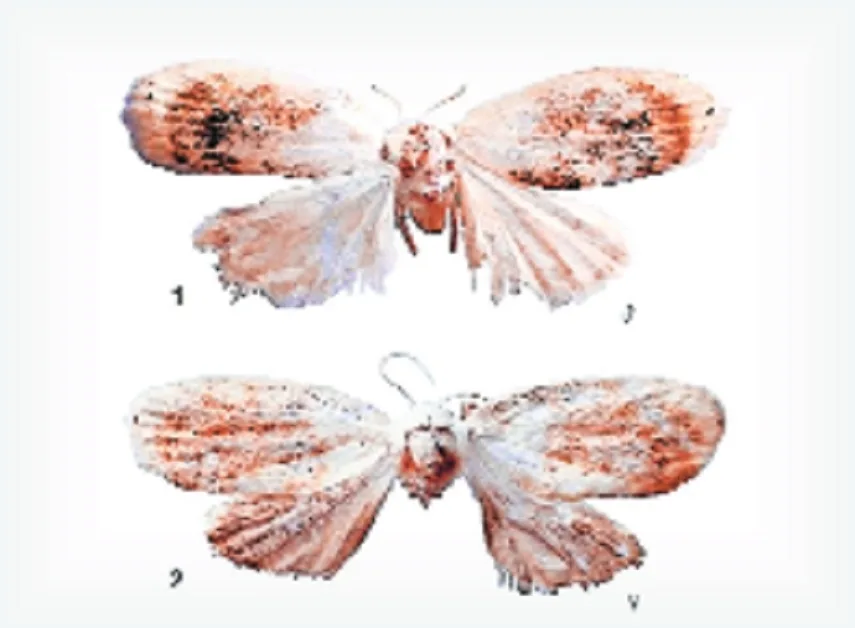
Tospitis Indica is the first record of its genus in India.
The moth was discovered on the campus of RTMNU in Nagpur.
The findings were published in the Israel Journal of Entomology on October 27, 2026.
A new species of lichen moth, named Tospitis Indica, has been discovered in Nagpur, India, marking the first instance of this genus being recorded in the country. The moth, with a wingspan of approximately 13 mm, was found on the campus of Rashtrasant Tukadoji Maharaj Nagpur University (RTMNU). This significant discovery was made by researcher Rahul Babanrao Bhende, whose findings were published in the Israel Journal of Entomology on October 27, 2026.
The genus Tospitis was first described in 1863 and has previously been documented only in Southeast Asia. The identification of Tospitis Indica in Nagpur not only extends the known range of this genus but also highlights the rich biodiversity present in India. The species name 'Indica' directly references the country where it was found.
The research was based on two adult specimens collected using a light trap equipped with a 250-watt mercury vapor bulb. The female specimen was collected on December 15, 2025, while the male was captured on January 27, 2026. Both specimens were meticulously examined for their external features and genital structures, leading to their identification. They have been deposited at the Zoological Survey of India - Western Regional Centre (WRC) in Pune for further study.
The male specimen serves as the holotype, and the female is designated as the paratype. The research also includes a taxonomic registration in ZooBank. The collection site is described as a semi-urban habitat characterized by trees, shrubs, grasses, and undergrowth, which contrasts with the humid environments typically associated with this genus in Southeast Asia. This suggests that Tospitis may have a broader tolerance for varying environmental conditions than previously understood.
Looking ahead, this discovery opens avenues for further research into the ecological roles of Tospitis Indica and its adaptability to different habitats. Continued studies may provide insights into the conservation of biodiversity in urban settings and the potential for discovering more species within India's diverse ecosystems.