New Bridge in Abujmarh Marks Transformation of Former Maoist HQ
A newly constructed bridge in Abujmarh symbolizes significant change in a previously inaccessible region, enhancing connectivity for local residents.
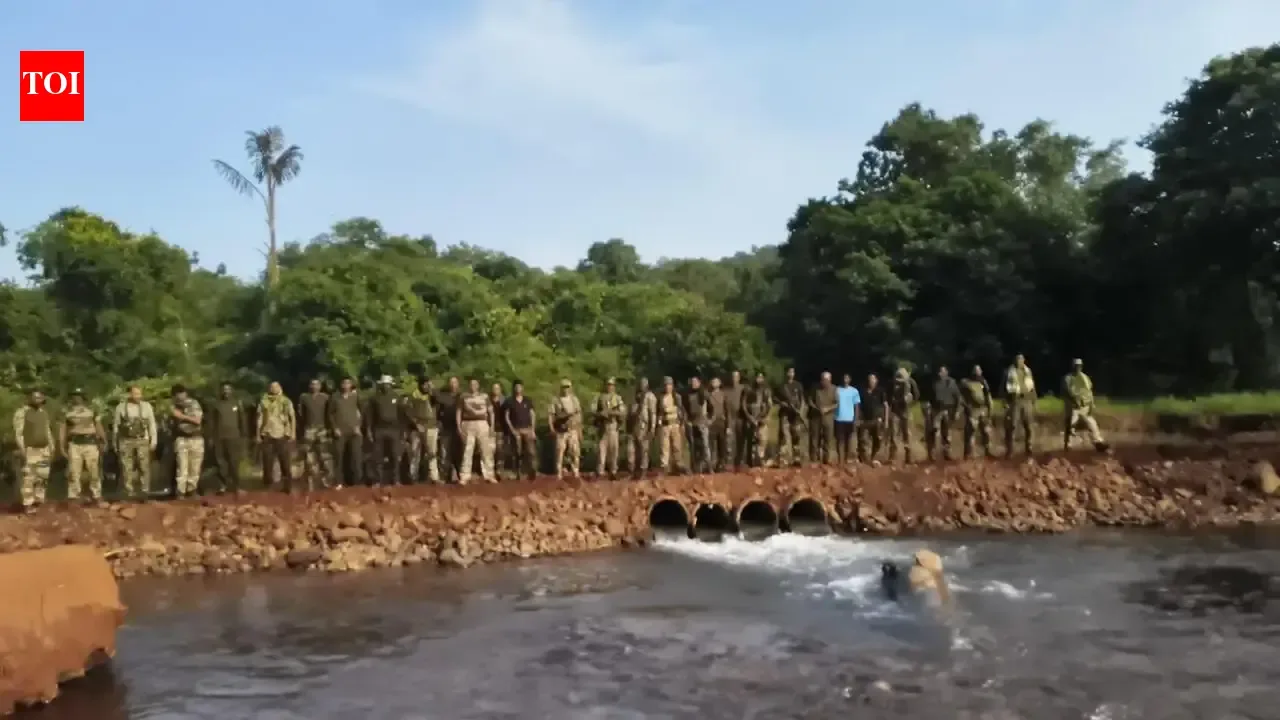
A 60-meter bridge built by commandos and villagers improves access in Abujmarh.
The bridge enhances healthcare access for pregnant women and patients.
Security forces are collaborating with locals to foster development in the area.
In a significant development for the Abujmarh region, a 60-meter bridge has been constructed by C-60 commandos in collaboration with local tribal villagers. This bridge, situated in the heart of what was once a Maoist stronghold, serves as a vital connection for the community, particularly aiding schoolchildren, pregnant women, and critically ill patients. The bridge spans a deep ravine that is often flooded during the monsoon, making it a crucial lifeline for the villagers.
The construction of the bridge was undertaken rapidly, utilizing large cement pipes and heavy machinery to create a stable structure amidst the dense forest. This area, known for its natural beauty and referred to as the 'Kashmir of Vidarbha', had been largely neglected in terms of development for decades. The urgency for change was amplified by a directive from Union Home Minister Amit Shah to eradicate Left-Wing Extremism, leading to increased civic infrastructure efforts in these remote regions.
On October 22, security personnel from various forces, including the Central Reserve Police Force and State Reserve Police Force, joined local villagers in the bridge's construction. This collaboration not only enhances access to healthcare for vulnerable populations but also facilitates easier daily commutes for residents, especially schoolchildren traveling to nearby areas.
The implications of this project extend beyond mere infrastructure. According to SP Gadchiroli M Ramesh, the initiative represents a shift in the relationship between security forces and local communities, who are now working together to solve everyday challenges. The establishment of a police post in Binagunda further solidifies the state's presence in this previously isolated area.
In addition to the bridge in Abujmarh, a similar structure was completed in Nelgunda on September 13, showcasing community involvement in development efforts. As security operations continue and vigilance against potential Maoist activities remains high, these bridges symbolize a broader transformation in Abujmarh, emphasizing the importance of connecting isolated communities to essential services like education and healthcare.