Nagpur Municipal Corporation Enforces New Water Conservation Rules
In response to dwindling water levels, Nagpur Municipal Corporation intensifies regulations on potable water usage.
NMC to penalize water wastage with fines up to Rs 5,000.
Illegal water connections will be targeted for regularization.
Plans for rainwater harvesting and treated wastewater reuse are underway.
The Nagpur Municipal Corporation (NMC) has announced stricter regulations regarding the use of potable water as the city faces a significant water crisis due to low reservoir levels and insufficient rainfall. Municipal Commissioner Vipin Itankar emphasized the urgency of the situation during a recent meeting, directing officials to conduct inspections throughout the city to ensure compliance with new conservation measures.
The NMC's enforcement strategy includes penalties for establishments that misuse drinking water, with fines reaching as high as Rs 5,000 for violations. Specific prohibitions have been placed on using potable water for activities such as washing vehicles, cleaning roads, and watering gardens. The civic body is also cracking down on unauthorized water connections, planning to hold camps to allow consumers to regularize these connections before stricter measures are implemented.
In light of the reduced rainfall impacting reservoir storage, the NMC is focusing on conserving treated water and exploring alternative sources for non-potable uses. This includes cleaning public wells and testing their water quality, as well as the potential installation of solar-powered pumps to support small-scale water supply schemes. These initiatives aim to reduce reliance on treated municipal water for activities that do not require drinking-quality supplies.
Additionally, the NMC is collaborating with the Groundwater Surveys and Development Agency to establish rainwater harvesting and groundwater recharge systems. There are also plans to revive existing wells and borewells to enhance groundwater availability. Another proposal involves setting up decentralized sewage treatment plants across Nagpur, which would allow for the reuse of treated wastewater for gardening and construction, thus alleviating the demand for potable water.
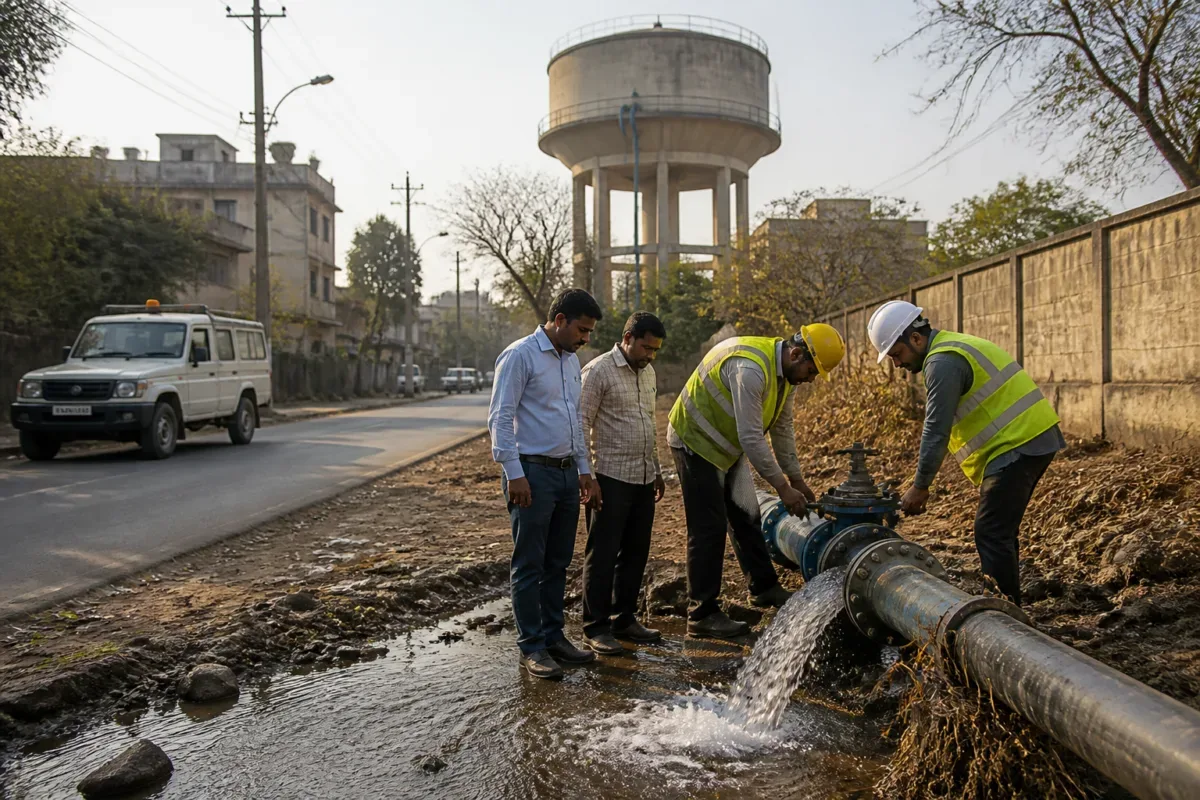
To further mitigate water loss, Itankar has instructed the water-supply department to promptly identify and repair leaks in distribution pipelines. This comprehensive approach combines immediate enforcement against water wastage and unauthorized connections with long-term investments in sustainable water management practices, reflecting the city's commitment to addressing its water security challenges.