Nagpur's Aapli Bus Seeks Additional Rs 108.51 Crore Funding
The Nagpur Municipal Corporation's Aapli Bus system requests extra funds to sustain operations amid rapid fleet expansion.
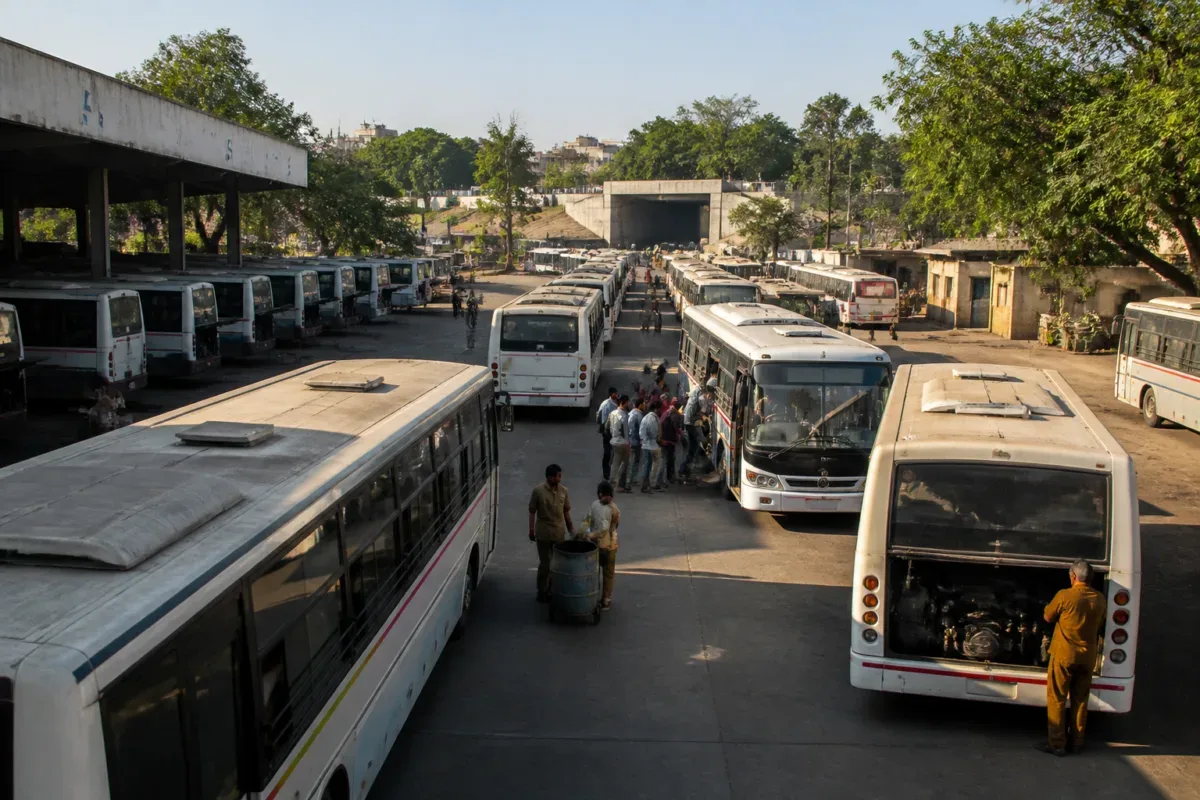
Aapli Bus system's budget proposal seeks Rs 108.51 crore for operations from October 2026 to March 2027.
The fleet size has increased from 430 to 825 buses in six months, raising operational costs significantly.
The proposal highlights a structural financial mismatch between projected revenues and actual expenditures.
The Aapli Bus system in Nagpur is facing a financial crunch as it seeks an additional Rs 108.51 crore to maintain operations between October 2026 and March 2027. This request comes just seven months after the Nagpur Municipal Corporation (NMC) approved a Rs 575.58 crore transport budget for the fiscal year 2026-27. The Transport Committee, led by chairperson Mangala Khekre, has approved the proposal, which is now awaiting final approval from the standing committee.
The financial challenges faced by Aapli Bus are significant, as the system's rapid expansion has outpaced its revenue generation capabilities. Initially, the Transport Department projected an expenditure of Rs 574.89 crore and requested a subsidy of Rs 200 crore from the NMC. However, the new proposal indicates that the original budget did not adequately account for the costs associated with operating an expanded fleet or the potential revenue from non-fare sources.
The budget figures reveal a stark mismatch: the Transport Department anticipated revenues of Rs 190 crore against expenditures of Rs 574.89 crore, necessitating a municipal subsidy. The new operating expenditure for the upcoming six-month period is estimated at Rs 295 crore, while the department expects to generate only Rs 186.49 crore from various sources, resulting in a shortfall of Rs 108.51 crore.
This financial gap raises questions about the initial planning and revenue assumptions. Sources suggest that the original estimates included revenue from bus depots and advertising rights without a realistic assessment of their earning potential. The reliance on non-fare income, such as advertising, has proven problematic, as pending proposals for advertising rights have not yet been approved, indicating that projected revenues may not be reliable.
Looking ahead, the NMC must decide whether it can accommodate the additional funding request without jeopardizing other financial commitments. The outcome of this proposal will not only affect the Aapli Bus system's operational viability but also reflect the city's ability to align public transport ambitions with sound financial planning. The standing committee's decision on this matter will be crucial in determining the future of Nagpur's urban transport system.