Nagpur Family Court Faces Over 7,300 Pending Cases as of October 2026
RTI reveals significant backlog and divorce statistics at Nagpur Family Court, highlighting operational challenges.
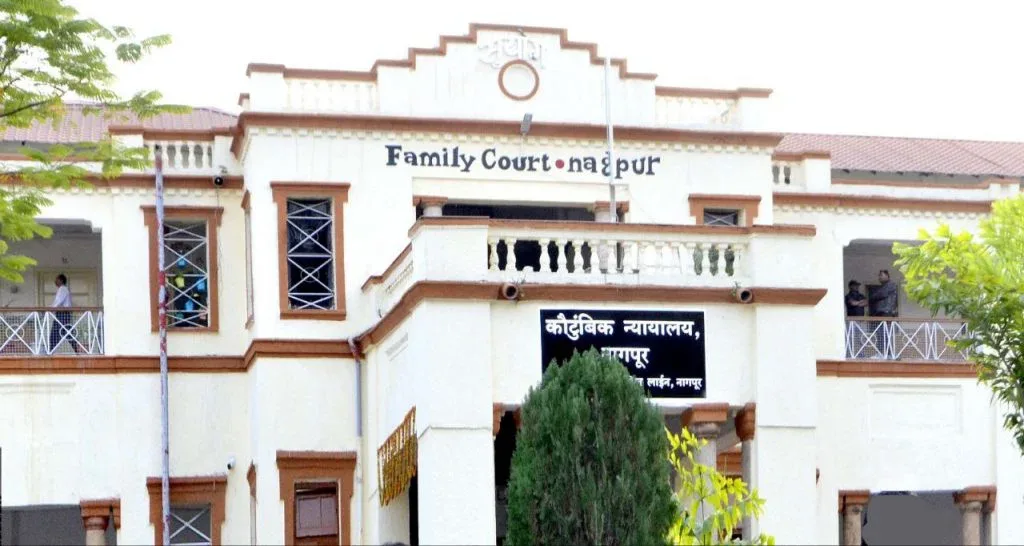
Over 7,300 cases are pending at Nagpur Family Court as of October 15, 2026.
Since 2024, 2,242 couples have been granted mutual divorce.
Staff shortages are contributing to the high backlog of cases.
The Nagpur Family Court is currently dealing with a staggering backlog of more than 7,300 pending cases, as revealed by data obtained through a Right to Information (RTI) application. The figures, covering the period from January 1, 2024, to October 15, 2026, indicate a significant challenge in managing matrimonial disputes, alimony, and child custody cases.
The RTI application, filed by local activist Abhay Kolarkar, sought detailed statistics on the court's operations, including the number of cases filed, resolved, and pending. The findings show that the court has been active, with thousands of new cases registered each year. In 2024 alone, 5,532 cases were initiated, with 3,838 resolved. The following years saw similar trends, with 3,433 new cases in 2025 and 3,512 in 2026, reflecting a consistent influx of legal matters.
Among the notable outcomes during this period, the court granted mutual consent divorce to 2,242 couples. In 2024, 877 applications were approved, while 849 were granted in 2025, and 516 from January to October 2026. However, the court also faced rejections, with 95 in 2024 and 87 in 2025, indicating a rigorous review process for divorce petitions.
The data also highlights the demand for alimony and child custody resolutions. In 2024, the court approved 590 out of 644 alimony petitions, and in 2025, 826 claims were granted from 548 new filings. The court's efficiency in handling child custody matters was notable, with a high approval rate for custody applications across the years.
Despite these efforts, the court's operational challenges are exacerbated by staffing shortages. As of October 1, 2026, several key positions remain vacant, including stenographers and junior clerks, which places additional strain on the court's ability to manage its caseload effectively. The ongoing backlog of cases, particularly those pending for over three years, raises concerns about the judicial system's capacity to deliver timely justice.