WHO Unveils New Toolkit for TB Research in Pregnant Women
The World Health Organization introduces a comprehensive resource aimed at enhancing TB research involving pregnant and lactating women.
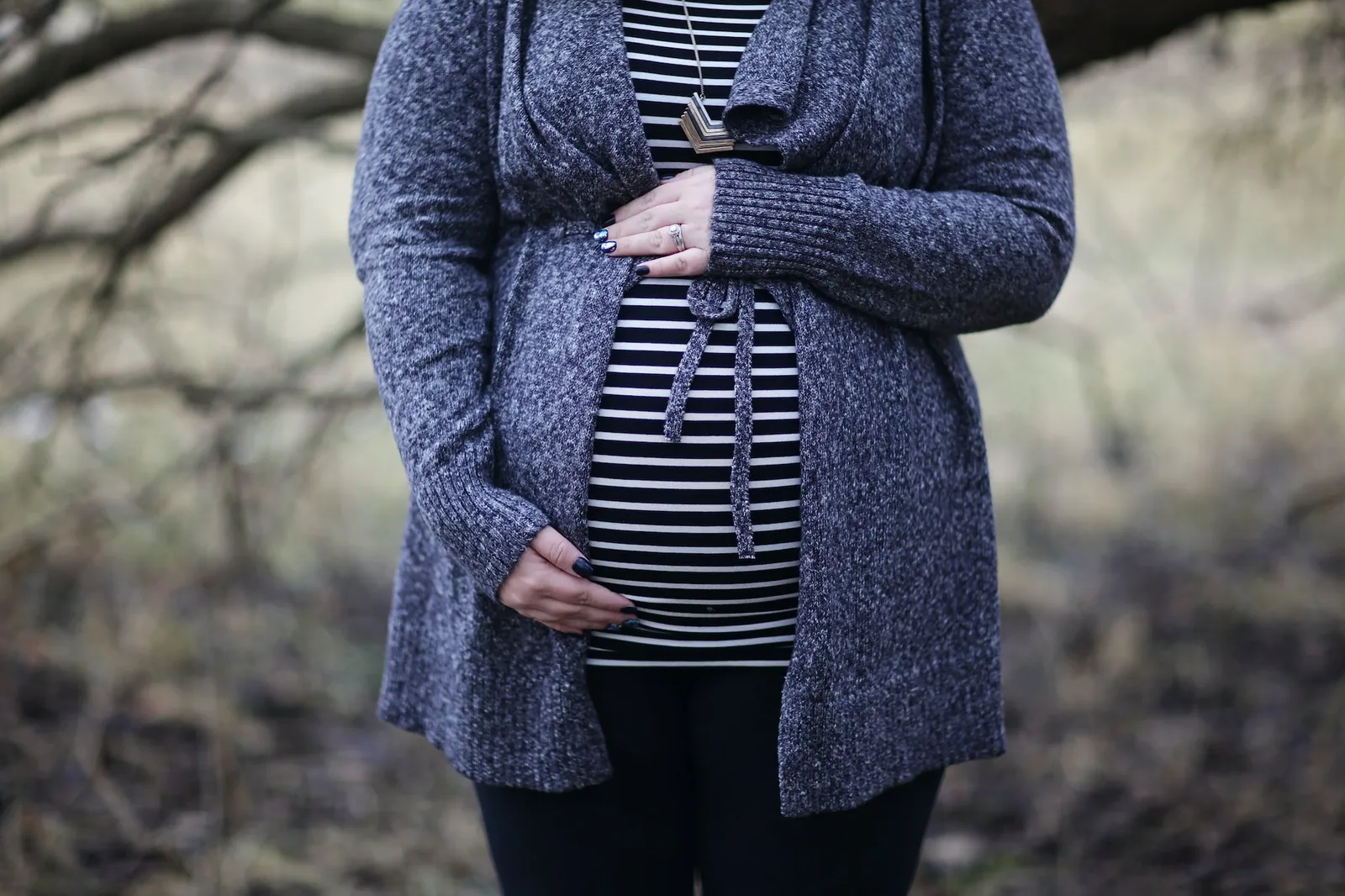
WHO launches a new TB research toolkit for pregnant women.
The toolkit aims to improve inclusion in TB drug and vaccine studies.
It complements a broader WHO knowledge portal on clinical research.
The World Health Organization (WHO) has officially launched a new online resource focused on tuberculosis (TB) research in pregnant and lactating women. This toolkit is designed to facilitate the timely and effective inclusion of these women in TB studies, ensuring that their specific health needs are addressed during research processes.
Historically, pregnant and lactating women have often been underrepresented in clinical trials, particularly in studies related to infectious diseases like TB. This lack of representation can lead to gaps in knowledge regarding the safety and efficacy of treatments for this vulnerable population. The new toolkit aims to rectify this by providing essential guidance to researchers, trial sponsors, ethics committees, and regulatory bodies.
The TB in pregnancy and lactation research toolkit offers practical tools and resources that can help stakeholders navigate the complexities of including pregnant and lactating women in TB research. This initiative is part of a broader WHO effort to enhance the representation of women in clinical studies across various health conditions, as reflected in their existing knowledge portal.
The implications of this toolkit are significant for public health, particularly in regions where TB is prevalent. By ensuring that pregnant and lactating women are included in TB research, the WHO aims to improve treatment outcomes and safety for both mothers and their infants, ultimately contributing to better health policies and practices.
Looking ahead, the WHO encourages researchers and institutions to utilize this toolkit in ongoing and future TB studies. As the global health landscape continues to evolve, the inclusion of diverse populations in research will be critical in addressing health disparities and improving health outcomes worldwide.