WHO Reports 12% of Global Cancer Cases Tied to Infections in 2024
A recent WHO study reveals that infections, particularly from H. pylori and HPV, contributed to 12% of new cancer cases worldwide in 2024.
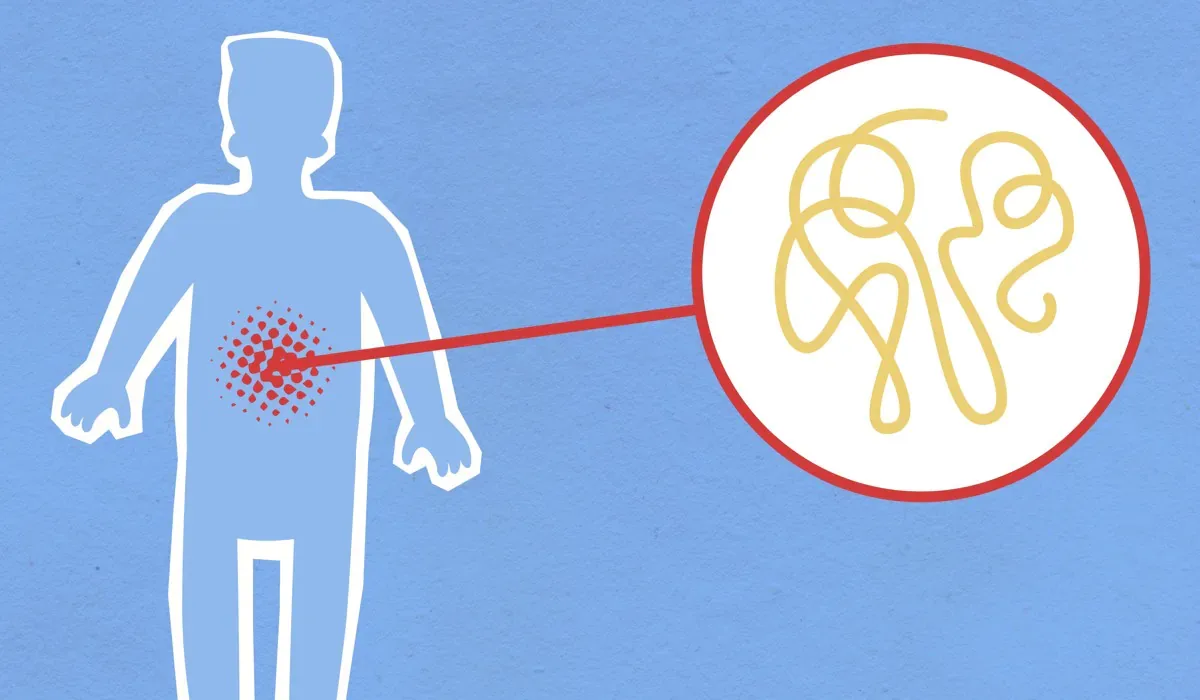
Infections accounted for approximately 2.3 million of the 20 million new cancer cases in 2024.
H. pylori and HPV were linked to 1.51 million cancer cases, primarily stomach and cervical cancers.
Preventive measures such as vaccines and antibiotics can significantly reduce cancer risks associated with these infections.
In a groundbreaking study released on September 28, 2026, the World Health Organization (WHO) reported that infections were responsible for approximately 2.3 million of the 20 million new cancer cases diagnosed globally in 2024. This translates to about 12% of all new cancer cases, highlighting the significant role infections play in cancer development. The research, conducted by the International Agency for Research on Cancer (IARC), identified that around one in eight cancer cases was linked to various infections, with a particular emphasis on the stomach bacterium Helicobacter pylori and the human papillomavirus (HPV).
The study revealed that H. pylori was associated with an estimated 760,000 new cancer cases, primarily stomach cancer, while HPV accounted for approximately 750,000 cases, including a significant number of cervical cancers. Together, these two infections were responsible for about 66% of all infection-related cancers identified in the study. Other infections, such as hepatitis B and C, and Epstein-Barr virus, also contributed to the cancer burden, with hepatitis B linked to 360,000 cases and Epstein-Barr to 260,000.
The findings underscore the importance of preventive measures. Vaccines are available for HPV and hepatitis B, and antibiotics can effectively treat H. pylori infections. Early detection through testing can also identify infections and precancerous changes, allowing for timely intervention. The study emphasizes that while not everyone infected with these pathogens will develop cancer, the risk increases with prolonged infection and other health factors.
Regionally, Eastern Asia reported the highest number of infection-related cancer cases, with an estimated 990,000 cases in 2024, accounting for 42% of the global total. This region's cancer burden is significantly influenced by the prevalence of H. pylori-related stomach cancer. The data suggests that access to vaccines and medical care varies greatly, impacting cancer prevention efforts across different countries.
Looking ahead, the WHO aims to enhance public health initiatives targeting infection-related cancers. The organization encourages vaccination, regular screenings, and appropriate treatments to mitigate the risks associated with these infections. As part of its global health strategy, the WHO is committed to reducing the incidence of cervical cancer and improving overall cancer prevention and treatment strategies worldwide.