WHO Releases First Guidelines for Managing Type 1 Diabetes in Adults
On World Diabetes Day 2026, the WHO unveiled its inaugural guidelines for adults with type 1 diabetes, emphasizing comprehensive care across various settings.
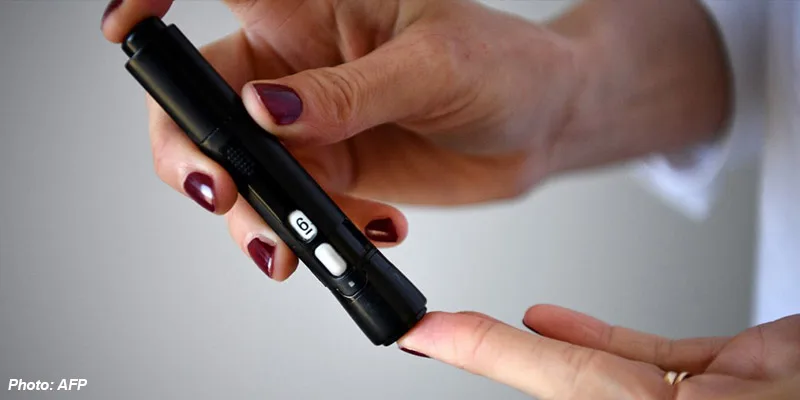
WHO's guidelines aim to improve access to insulin and care for adults with type 1 diabetes.
Type 1 diabetes affects millions globally, with a significant number unaware of their condition.
The guidelines promote regular blood glucose monitoring and tailored insulin administration.
On November 14, 2026, coinciding with World Diabetes Day, the World Health Organization (WHO) introduced its first-ever guidelines focused on the diagnosis and management of type 1 diabetes in adults. This initiative is part of a broader campaign emphasizing 'Early action on diabetes,' aiming to enhance the quality of care for individuals living with this chronic condition across diverse environments, including those with limited resources.
Diabetes, particularly type 1, is characterized by the body's inability to produce sufficient insulin, leading to elevated blood glucose levels. Historically known as insulin-dependent diabetes, type 1 diabetes is often misconceived as a childhood illness, yet it increasingly affects adults. The WHO's guidelines are a response to the growing prevalence of diabetes, which has quadrupled globally since 1990, with approximately 830 million individuals living with the disease as of 2022.
The guidelines highlight critical aspects of managing type 1 diabetes. They recommend that individuals receive multiple daily insulin injections, with dosages adjusted based on blood glucose readings. Human insulin is identified as a primary treatment option, with alternatives available as necessary. Regular monitoring of blood glucose levels is also emphasized, utilizing both clinical tests and home monitoring methods such as finger prick tests or continuous glucose monitors.
The implications of these guidelines are significant for public health, particularly in regions where access to diabetes care is limited. With over 40% of diabetes patients unaware of their condition, the WHO aims to ensure that by 2030, all individuals with type 1 diabetes have access to affordable insulin and self-monitoring tools. This initiative is crucial in addressing the complications associated with diabetes, which can include severe health issues such as heart disease, kidney failure, and amputations.
Looking ahead, the WHO's guidelines represent a pivotal step in diabetes management, advocating for a comprehensive approach to care. As the organization continues to push for better access to treatment, the focus will remain on raising awareness and improving health outcomes for the millions affected by type 1 diabetes worldwide.