16% of Alopecia Areata Patients Exhibit White Hair Growth
A recent study reveals that 16% of patients with alopecia areata experience white hair growth independent of follicular cycling.
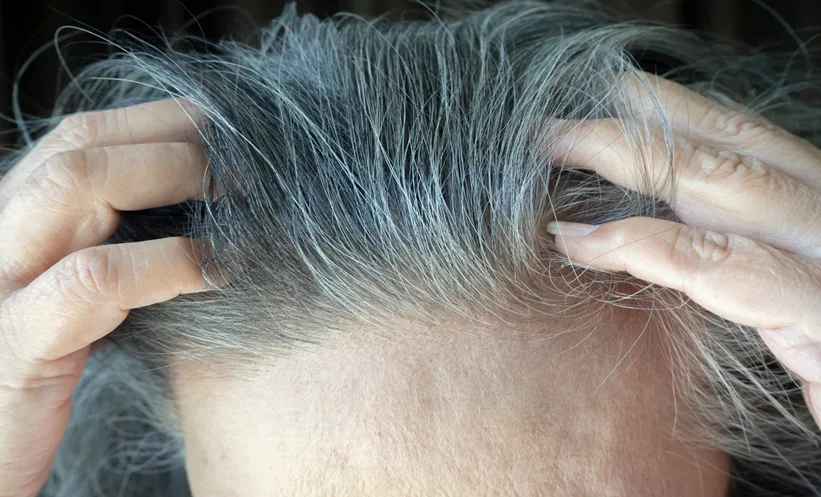
White hair growth in alopecia areata is linked to age and autoimmunity.
44.4% of patients aged 55 and older show signs of white hair growth.
81.7% of patients report recovery from white hair growth after treatment.
A new retrospective study has found that 16% of patients suffering from alopecia areata (AA) exhibit white hair growth (AA-WH) that occurs independently of the hair follicle cycling process. The research highlights the role of factors such as aging, autoimmune responses, and changes in hair pigmentation in the development of white hair among these patients. This study offers valuable insights into the mechanisms that lead to white hair in individuals with alopecia areata, identifying three potential pathways that contribute to this condition.
The study analyzed a cohort of 5,155 patients, revealing that the prevalence of AA-WH increases with age, particularly among those with grey hair. Notably, 44.4% of patients aged 55 and older were found to have white hair growth. Additional risk factors identified include an older age at the onset of alopecia areata, higher scores on the Severity of Alopecia Tool (SALT), and the presence of coexisting conditions such as vitiligo and abnormal thyroid function. Clinical presentations varied, with mosaic patterns being the most common, except in cases of alopecia totalis and universalis.
Researchers proposed three mechanisms that may explain the occurrence of white hair in alopecia areata: the emergence of white vellus hairs, the transformation of pigmented terminal hairs into white ones, and the persistence of existing grey hair. Patients with AA-WH showed a higher frequency of hair root depigmentation and other specific hair characteristics compared to those without white hair growth. The study also noted variations in inflammatory and immune markers based on the clinical presentation of AA-WH.
The implications of these findings extend beyond individual cases, as they suggest that the mechanisms of depigmentation and repigmentation can occur without the typical hair growth cycle. This challenges existing assumptions about hair pigmentation changes. Among patients with follow-up data, a significant 81.7% reported recovery from white hair growth after treatment, indicating a potential for positive outcomes in managing this condition.
In conclusion, the study underscores the association of white hair growth in alopecia areata with factors such as age, autoimmunity, and the presence of grey hair. The identification of distinct pigmentation mechanisms could enhance understanding of AA-WH and inform clinical approaches to treatment, particularly in younger patients who may exhibit allergic features related to this condition.