Schools Must Enhance Support for Children with Type 1 Diabetes
Children with Type 1 diabetes face unique challenges at school, necessitating better support systems for their health management.
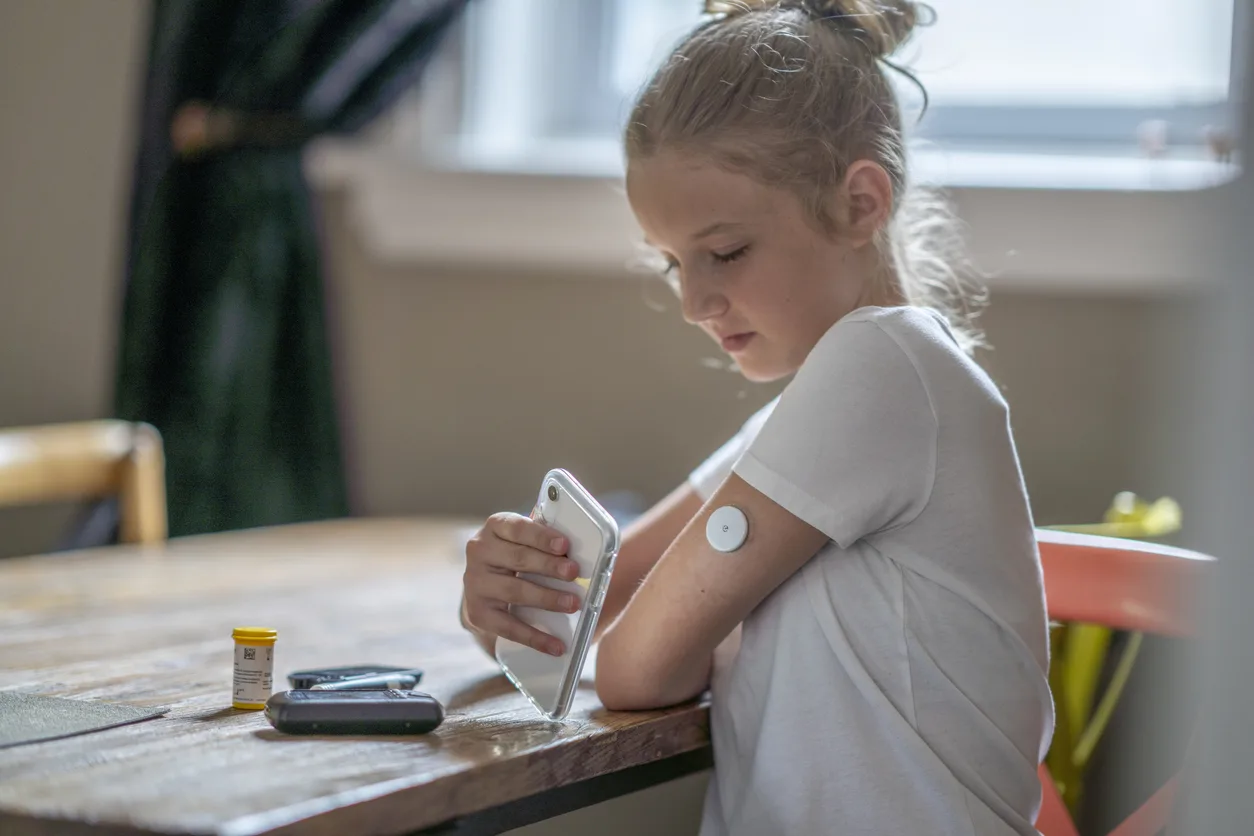
Children with Type 1 diabetes require comprehensive support beyond insulin management.
Schools often lack the necessary awareness and resources to assist these children effectively.
Early recognition of symptoms and proper management strategies are crucial for preventing serious complications.
Children diagnosed with Type 1 diabetes encounter significant hurdles in managing their condition, especially within the school environment. The necessity for insulin administration, glucose monitoring, and immediate assistance during hypoglycemic episodes highlights the urgent need for schools to develop better support systems. As children navigate academic pressures, social interactions, and physical activities, their ability to maintain stable blood glucose levels can be severely compromised.
Historically, Type 1 diabetes has been a lifelong challenge for affected individuals, requiring daily management of insulin doses, meal planning, and physical activity. However, the school setting introduces complexities that can disrupt these routines. Events such as examinations, sports activities, and social gatherings can lead to fluctuations in glucose levels, making it vital for schools to recognize and address these challenges. Dr. Uthra S, a Senior Consultant at Dr. Mohan’s Diabetes Specialities Centre, emphasizes the importance of early symptom recognition, which includes unexplained weight loss, persistent fatigue, excessive thirst, and frequent urination.
Key statistics indicate that the progression of Type 1 diabetes can be rapid, with potential complications like diabetic ketoacidosis (DKA) arising if symptoms are overlooked. Dr. Uthra advises parents to be vigilant about the '4 Ts'—Thinner, Tired, Thirsty, and Toilet—as indicators of potential diabetes. Furthermore, children’s insulin needs can change frequently as they grow, complicating their management routines. Schools must be equipped with staff who understand these dynamics and can provide necessary support during school hours.
The impact of inadequate support extends beyond physical health; it can also affect children's confidence and social interactions. Many children feel self-conscious about managing their diabetes in front of peers, which can lead to feelings of isolation. Dr. Uthra suggests that connecting children with peers who also manage diabetes can foster a sense of community and reduce feelings of loneliness. Schools should facilitate environments where children can manage their condition without stigma, allowing them to participate fully in school life.
Looking ahead, it is crucial for educational institutions to implement training programs for staff to better understand Type 1 diabetes management. This includes recognizing symptoms of hypoglycemia and understanding how to respond appropriately. As technology such as continuous glucose monitors (CGMs) and insulin pumps becomes more prevalent, schools must also consider the financial barriers that may limit access for some families. With the right support from both schools and families, children with Type 1 diabetes can lead fulfilling lives while managing their health effectively.