Revolutionizing Radiation: New Techniques to Protect Healthy Cells
Researchers at the University of Kansas are developing advanced radiation therapies that minimize damage to healthy tissues while effectively targeting tumors.
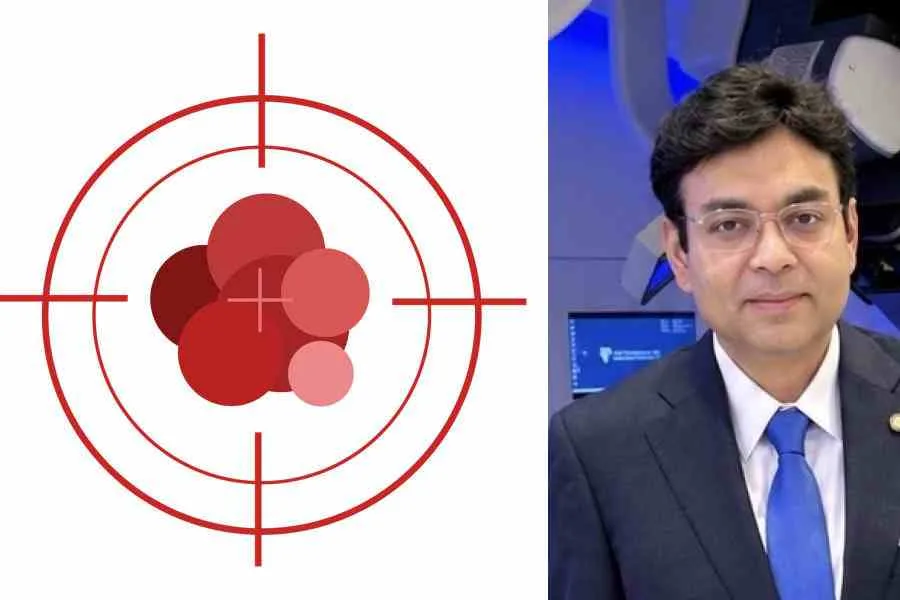
Subhrajit Saha's research focuses on enhancing radiation therapy safety and personalization.
Proton FLASH radiotherapy offers rapid treatment with minimal impact on surrounding healthy cells.
The lab is also exploring personalized radiotherapy using organoids to tailor treatments to individual patients.
Researchers at the University of Kansas are making significant strides in radiation therapy, aiming to protect healthy cells while effectively targeting tumors. Subhrajit Saha, a key figure in this research, emphasizes that traditional radiation therapy often risks damaging surrounding healthy organs, particularly in cases of aggressive cancers like pancreatic and liver cancer. This limitation has prompted the team to innovate ways to make radiation treatment safer, faster, and more personalized for patients.
Saha explains that their research has identified natural defense mechanisms within the body that can be harnessed to protect healthy tissue during radiation exposure. Specifically, they found that certain immune cells release biological signals that prompt intestinal stem cells to repair themselves quickly after radiation. This discovery has led to the development of small-molecule treatments designed to enhance this natural healing process, ensuring that the gut remains functional during cancer treatment.
One of the groundbreaking advancements from Saha's lab is the Proton FLASH radiotherapy, which differs significantly from conventional radiation methods. While traditional radiation can be likened to a slow, steady stream, Proton FLASH delivers a rapid burst of protons directly to the tumor. This method allows for precise targeting, as protons can be programmed to stop at the tumor site, minimizing damage to surrounding tissues. The ultra-fast delivery of this treatment can complete the necessary radiation dose in mere fractions of a second, offering a promising alternative to standard therapies.
Beyond cancer treatment, Saha's laboratory is also engaged in research related to national security and disaster preparedness. They are working on medical countermeasures that could be vital in scenarios involving nuclear accidents or dirty bomb threats, where individuals may be exposed to harmful radiation levels. This research highlights the broader implications of their work, as it aims to protect public health in catastrophic situations.
Looking ahead, Saha's team is pioneering personalized radiotherapy by utilizing organoids—miniature living models of patients' organs. By analyzing how these organ models respond to radiation, they aim to tailor treatments to the unique biological responses of individual patients. This approach could revolutionize cancer care, moving away from a one-size-fits-all methodology to a more customized treatment plan that enhances patient outcomes.