Pharmacists Enhance Diabetes Management Through Glucose Data Analysis
Pharmacists play a crucial role in interpreting glucose readings to improve diabetes care and patient outcomes.
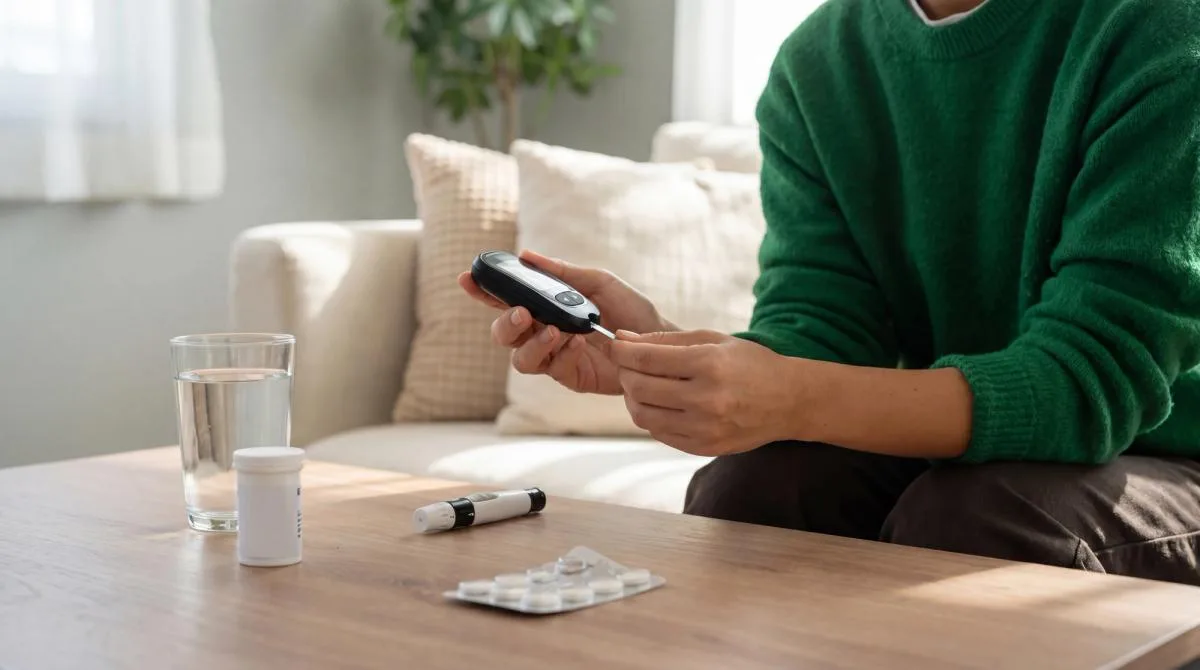
Pharmacists help patients identify patterns in glucose readings linked to lifestyle factors.
Continuous glucose monitoring (CGM) aids in real-time education about diabetes management.
Collaborative practice agreements empower pharmacists to take on greater responsibilities in patient care.
In a significant advancement for diabetes management, pharmacists are increasingly utilizing glucose data to enhance patient care. By interpreting glucose readings, they assist patients in recognizing patterns that correlate with their diet, physical activity, and medication schedules. This proactive approach not only helps in managing diabetes but also empowers patients to take control of their health.
The role of pharmacists in diabetes care has evolved, particularly with the introduction of continuous glucose monitoring (CGM) technology. This innovation allows for near-real-time data collection, enabling pharmacists to educate patients on how their lifestyle choices impact their glycemic levels. As Brooke Hudspeth, PharmD, emphasizes, the goal is to transition patients from merely reacting to individual glucose readings to understanding broader trends over time.
Pharmacists also play a critical role in troubleshooting issues that may arise from inaccurate glucose readings. For instance, Hudspeth recounts a case where a patient faced difficulties with testing due to pain. By demonstrating proper testing techniques, she identified that the issue was not non-adherence but rather the need for better tools. Additionally, pharmacists are trained to consider various factors that can affect glucose meter accuracy, including expired test strips and environmental conditions.
The integration of pharmacists into the healthcare team enhances the overall management of diabetes. They not only analyze glucose data but also communicate findings to prescribers, ensuring that patients receive tailored care. Nicole Paolini Albanese, PharmD, highlights the importance of patients being able to explain anomalies in their glucose data, which provides healthcare providers with a clearer understanding of their condition. Collaborative practice agreements further enable pharmacists to modify treatment plans, thereby addressing gaps in diabetes care.
Looking ahead, the involvement of pharmacists in diabetes management is expected to grow, particularly as healthcare systems increasingly recognize their value in patient education and care coordination. As pharmacists continue to bridge the gap between patients and prescribers, their role in managing diabetes will likely become even more integral, leading to improved health outcomes for patients across the board.