Essential Vaccines to Consider Before International Travel
Travelers are urged to consult health professionals for necessary vaccinations tailored to their destinations.
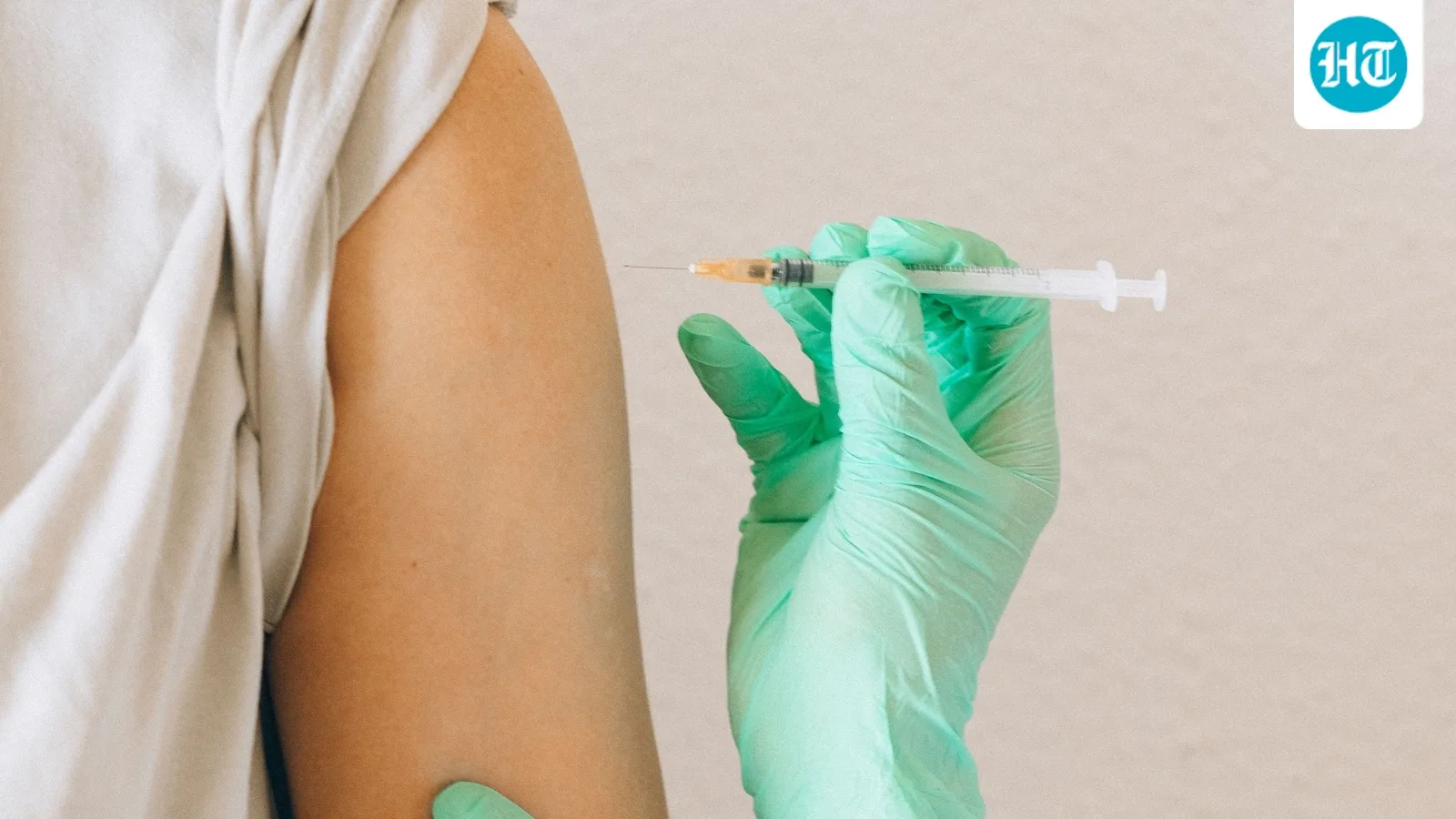
Consult health advice based on travel destination and local disease patterns.
Vaccinations like Hepatitis A and Yellow Fever may be required for certain regions.
Timing of vaccinations is crucial; ideally, consult a doctor 4-6 weeks before travel.
As international travel resumes, health experts emphasize the importance of vaccinations tailored to specific destinations. Dr. Anil Ballani, a consultant physician at Lilavati Hospital, advises travelers to prioritize health consultations before embarking on their journeys. Vaccination requirements can vary significantly based on local disease outbreaks, seasonal factors, and the duration of stay.
Travelers should begin by assessing their destination's health advisories. Certain countries mandate vaccinations for entry, such as the yellow fever vaccine, which requires an International Certificate of Vaccination for those coming from affected areas. Dr. Ballani stresses the need to check these requirements ahead of time to avoid complications upon arrival.
Key vaccines that travelers should discuss with their healthcare providers include Hepatitis A, which is crucial for regions with contaminated food and water, and Typhoid, recommended for areas where the disease is prevalent. Other vaccines, such as Yellow Fever, Rabies, and Japanese Encephalitis, may be necessary depending on the travel itinerary and activities planned. The meningococcal vaccine is also pertinent for certain pilgrimages, such as Hajj, while seasonal influenza vaccines are advised for trips to colder climates.
The impact of these vaccinations extends beyond individual health; they play a critical role in public health by preventing the spread of infectious diseases. With the ongoing global health concerns, ensuring proper immunization not only protects the traveler but also the communities they visit. This is particularly relevant for travelers heading to rural or less developed areas where access to healthcare may be limited.
Looking ahead, travelers are encouraged to schedule their vaccinations well in advance, ideally 4-6 weeks before departure. This timeline allows the body to build immunity effectively. Dr. Ballani cautions against last-minute vaccinations, as some require multiple doses or time to take effect. For those with specific health conditions, personalized medical advice is essential to determine the appropriate vaccinations needed for safe travel.