New Study Reveals Molecular Changes in the Brain Linked to PTSD
A groundbreaking analysis of over 300 post-mortem brains sheds light on how trauma alters DNA and contributes to PTSD.
The study identifies unique epigenetic changes in the brains of individuals with PTSD and depression.
Researchers found distinct DNA methylation patterns in the prefrontal cortex linked to trauma exposure.
Oligodendrocyte levels were significantly reduced in the amygdala of PTSD patients, impacting neural communication.
A recent study published in Cell Reports on November 20 has unveiled significant molecular alterations in the brains of individuals diagnosed with post-traumatic stress disorder (PTSD) and depression. This research, which analyzed post-mortem brain tissues from over 300 individuals, highlights the role of epigenetic changes—chemical modifications to DNA that do not alter the genetic sequence but can influence gene expression. The findings provide a comprehensive understanding of how trauma can leave lasting chemical marks in the brain, particularly in regions associated with emotion and memory.
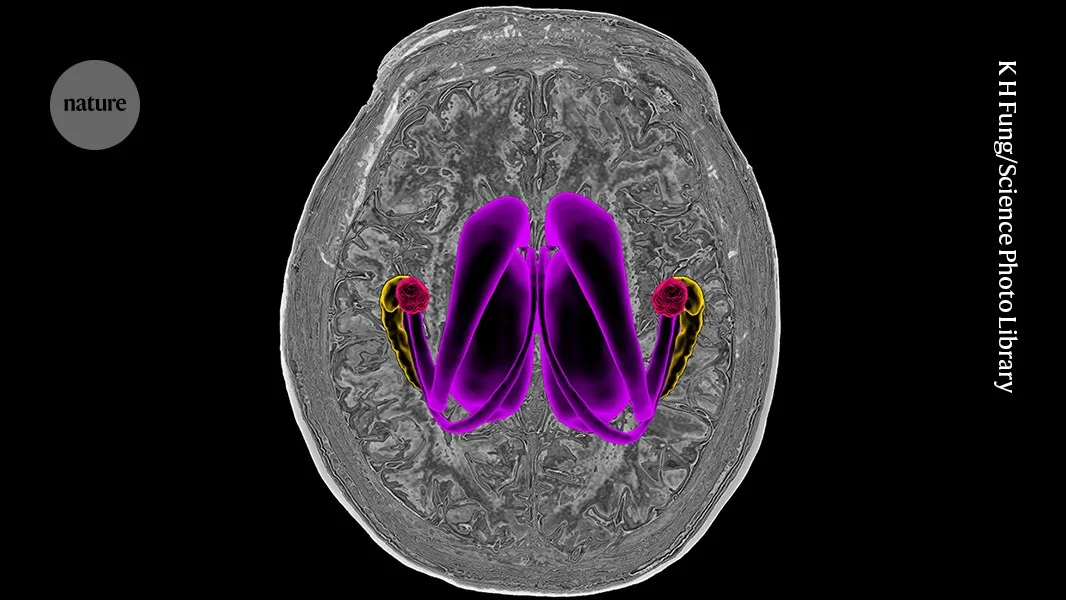
The research team, led by experts in behavioral epigenetics, examined DNA methylation patterns in the amygdala, hippocampus, and prefrontal cortex—areas critical for processing emotions and memories. By comparing samples from 101 PTSD patients, 101 individuals with depression, and 100 control subjects, the study aimed to uncover the specific cellular and molecular differences that arise following traumatic experiences. Alicia Smith, a researcher at Emory University, emphasized that this analysis offers the most detailed view of how different cell types in the brain respond to trauma.
Among the notable findings, the study revealed distinct methylation patterns in four specific DNA regions within the prefrontal cortex of PTSD patients when compared to the control group. Interestingly, one gene affected by these methylation changes had not been previously associated with PTSD but plays a crucial role in memory functions. This suggests that trauma may influence genetic regulation in ways that were not fully understood before, potentially explaining the varied responses to treatment among individuals.
Additionally, the researchers observed a significant reduction in oligodendrocytes—cells responsible for insulating neuronal connections—in the amygdala of PTSD patients. This decrease was particularly pronounced in individuals who had experienced trauma in adulthood, indicating a possible link between adult trauma exposure and changes in brain cell composition. In contrast, no similar patterns were observed in individuals who experienced childhood trauma, suggesting that the timing of traumatic events may have different implications for brain health.
Looking ahead, these findings underscore the importance of further research into the epigenetic effects of trauma on mental health. Understanding these molecular changes could pave the way for new therapeutic approaches targeting the biological underpinnings of PTSD and related disorders. As researchers continue to explore the complexities of trauma's impact on the brain, the hope is to develop more effective interventions for those affected by these conditions.