IIT Bhubaneswar's TB Vaccine Set for Human Trials by 2027
A promising TB vaccine developed by IIT Bhubaneswar aims to enhance protection against pulmonary tuberculosis and is expected to enter human trials by mid-2027.
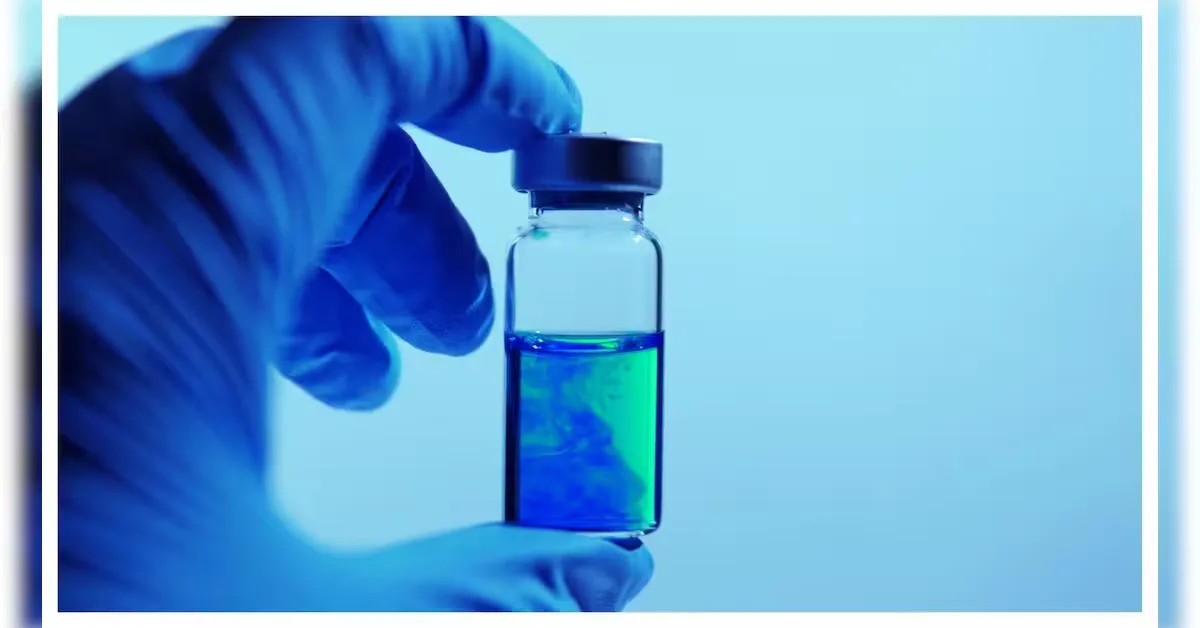
The TB vaccine candidate, Hsp16.3ΔC4, is designed to boost immunity in adolescents and adults.
TechInvention Lifecare is preparing for production and has received a patent for the vaccine.
India faces a significant TB burden, highlighting the urgent need for effective vaccines.
A new tuberculosis (TB) vaccine candidate developed by IIT Bhubaneswar is on track to enter human clinical trials by mid-2027. This innovative vaccine, known as Hsp16.3ΔC4, aims to address the gap in protection against pulmonary TB, particularly in adolescents and adults, where the existing Bacillus Calmette-Guérin (BCG) vaccine has shown limited effectiveness.
The vaccine is a collaborative effort between the Indian Institute of Technology (IIT) Bhubaneswar and the Institute of Life Sciences (ILS) in Bhubaneswar. TechInvention Lifecare Ltd, based in Mumbai, has licensed the technology for further development and commercialization. The company is currently optimizing the production process and gathering additional data to support the vaccine's efficacy, having secured a patent for it on November 16.
Hsp16.3ΔC4 is a protein-based vaccine derived from a heat shock protein antigen from Mycobacterium tuberculosis, the bacteria responsible for TB. Unlike the BCG vaccine, which is a live attenuated vaccine, Hsp16.3ΔC4 aims to elicit both cellular and antibody-mediated immune responses. According to Syed S Ahmed, CEO of TechInvention Lifecare, the commercialization plan is progressing well, and the company is also developing novel adjuvants to enhance the vaccine's effectiveness.
The significance of this vaccine candidate is underscored by the ongoing reliance on the BCG vaccine, which, while effective in young children, does not provide adequate protection against pulmonary TB in older populations. Preclinical studies conducted on mice have shown that the combination of Hsp16.3ΔC4 with BCG produces stronger immune responses compared to either vaccine alone. Additionally, safety assessments in animal models have not indicated any significant toxicity.
As India grapples with a substantial TB burden, including the rise of drug-resistant strains, the development of more effective vaccines is critical. The World Health Organization reported that in 2025, approximately 10.6 million people developed TB globally, with India accounting for a significant portion of these cases. The upcoming human trials for Hsp16.3ΔC4 could pave the way for a new era in TB prevention, with further studies planned to validate its safety and efficacy before regulatory submissions.