Exploring Neurokinin Pathways for Menopausal Relief
New research highlights the role of NK-1 and NK-3 receptor antagonism in alleviating menopausal vasomotor symptoms.
Research focuses on neurokinin pathways in menopause.
Dual antagonism of NK-1 and NK-3 receptors shows promise.
Potential to improve patient outcomes in managing vasomotor symptoms.
A recent study published on November 24, 2026, investigates the potential of targeting neurokinin pathways to alleviate vasomotor symptoms (VMS) associated with menopause. The research emphasizes the dual antagonism of NK-1 and NK-3 receptors as a promising therapeutic approach. This could provide significant relief for women experiencing these challenging symptoms during menopause.
Menopausal vasomotor symptoms, which include hot flashes and night sweats, affect a substantial number of women, leading to discomfort and a decline in quality of life. Traditional treatments have varied in effectiveness and may come with side effects. The exploration of neurokinin pathways offers a new avenue for treatment, aiming to provide a more targeted and effective solution.
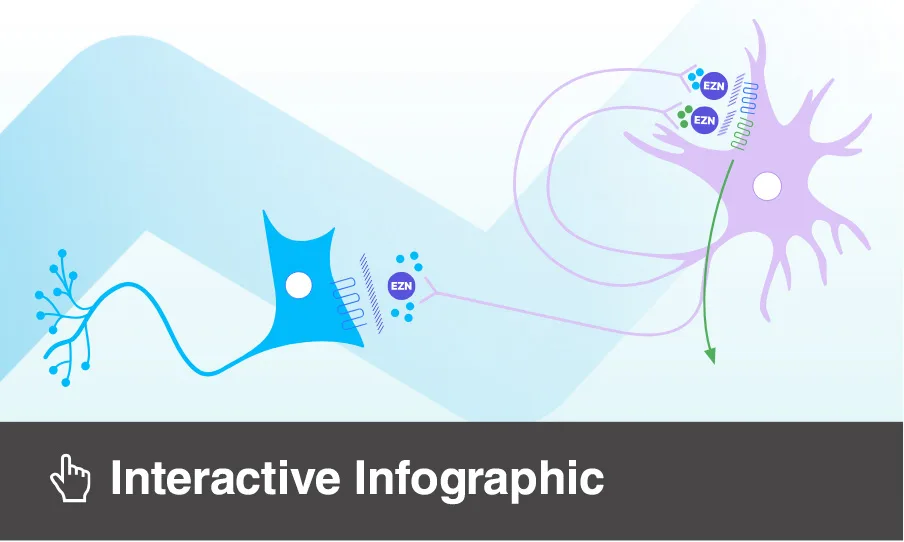
The study outlines how the antagonism of NK-1 and NK-3 receptors can modulate the neurokinin signaling pathways, potentially leading to a reduction in the severity and frequency of VMS. This dual approach is particularly noteworthy as it may address the symptoms more comprehensively than existing therapies.
The implications of this research extend beyond individual patient care, potentially influencing treatment protocols in reproductive health. As healthcare providers seek more effective strategies for managing menopausal symptoms, the findings could lead to improved patient satisfaction and outcomes, particularly for those who have not found relief through conventional methods.
Looking ahead, further clinical trials will be essential to validate the efficacy and safety of this dual receptor antagonism approach. As the medical community continues to explore innovative treatments for menopause-related symptoms, these findings may pave the way for new therapeutic options that enhance women's health during this transitional phase of life.