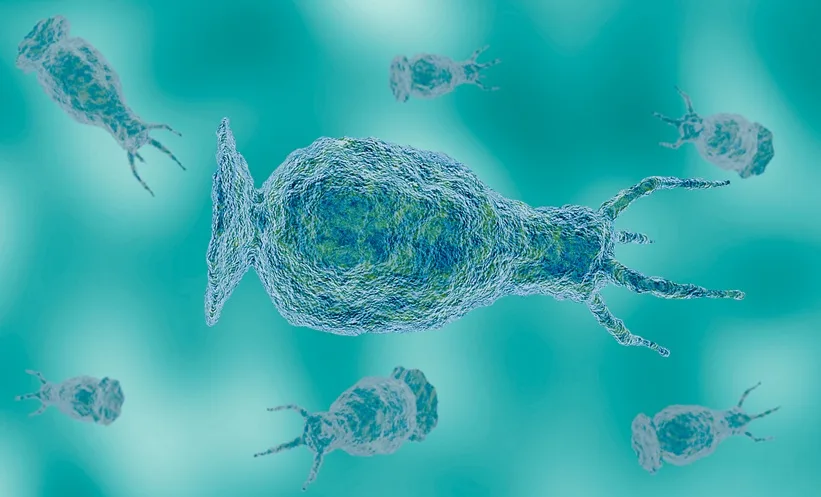
New RT-PCR Test Reduces Drinking Water Contamination Detection Time to 3-4 Hours
A groundbreaking RT-PCR method can now identify enterococci in drinking water within hours, enhancing safety measures.
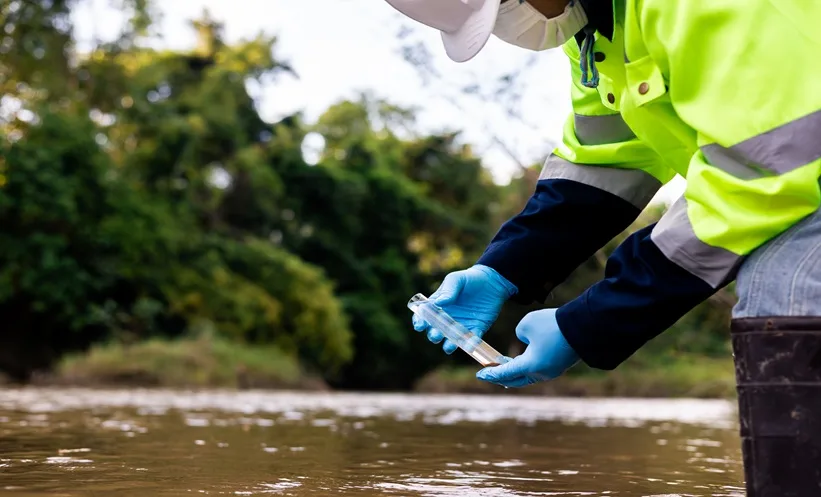
The RT-PCR test achieves a sensitivity of 94.6%, outperforming traditional culture methods.
Faster detection allows for quicker responses to potential water contamination.
The method has been validated for consistent performance across different laboratories.
A novel molecular diagnostic technique has been developed that significantly shortens the time needed to detect fecal contamination in drinking water. Researchers have demonstrated that intestinal enterococci can be identified using a real-time reverse transcription polymerase chain reaction (RT-PCR) assay in just 3 to 4 hours, a stark contrast to the 24 to 48 hours required by conventional culture methods.
The RT-PCR assay exhibits a sensitivity of 94.6%, surpassing the 89.2% sensitivity of traditional culture techniques. This advancement is crucial for public health, as rapid identification of contamination can lead to quicker responses and enhanced safety measures for drinking water. Enterococci serve as key indicators of fecal contamination, allowing water utilities to assess microbiological safety effectively.
To develop this rapid testing method, researchers focused on targeting bacterial 16S ribosomal RNA (rRNA) from ten Enterococcus species commonly found in human and animal feces. The process involved filtering 100 mL water samples, treating them with lysozyme, extracting RNA, and conducting a one-step real-time RT-PCR. Validation of the assay was performed according to ISO standards, confirming its reliability against the established culture reference method.
The results showed a combined relative limit of detection (RLOD) of 0.851, indicating comparable detection capabilities between RT-PCR and culture methods. Notably, the RT-PCR method detected enterococci more frequently than the culture method, suggesting it could uncover additional contamination instances. The agreement rate between the two methods was 91.8%, highlighting substantial consistency in results.
The implications of this research are significant for drinking water safety. The rapid turnaround time of the RT-PCR test enables water utilities to act swiftly in investigating suspected contamination, potentially leading to earlier interventions and protective measures. However, the researchers caution that while the presence of bacterial RNA indicates contamination, it does not confirm the viability of the organisms. Therefore, results must be interpreted carefully, especially concerning public health risks. The study concludes that this validated assay could enhance operational responses to contamination events and improve overall drinking water monitoring strategies.