Health Experts Warn of Disease Risks Following October 2026 Rainfall
Unseasonal rains in Delhi-NCR raise concerns about vector and water-borne diseases, prompting health warnings.
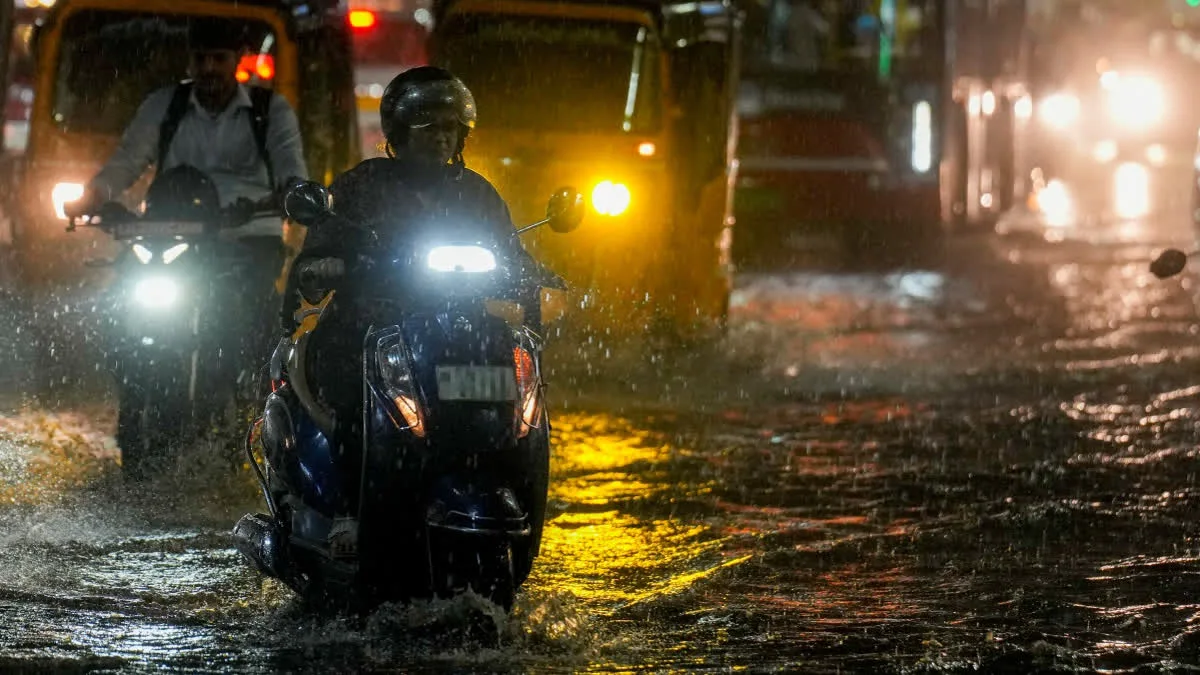
Stagnant water increases risk of dengue and malaria.
Contaminated drinking water poses health threats.
Health experts emphasize the need for vigilance and sanitation.
Recent unseasonal rainfall in the Delhi-National Capital Region (NCR) and surrounding northern states has raised alarms regarding potential outbreaks of vector-borne and water-borne diseases. Health professionals are particularly concerned about illnesses such as dengue, malaria, chikungunya, leptospirosis, typhoid, and diarrhoeal infections, which are likely to proliferate due to stagnant water and damp conditions.
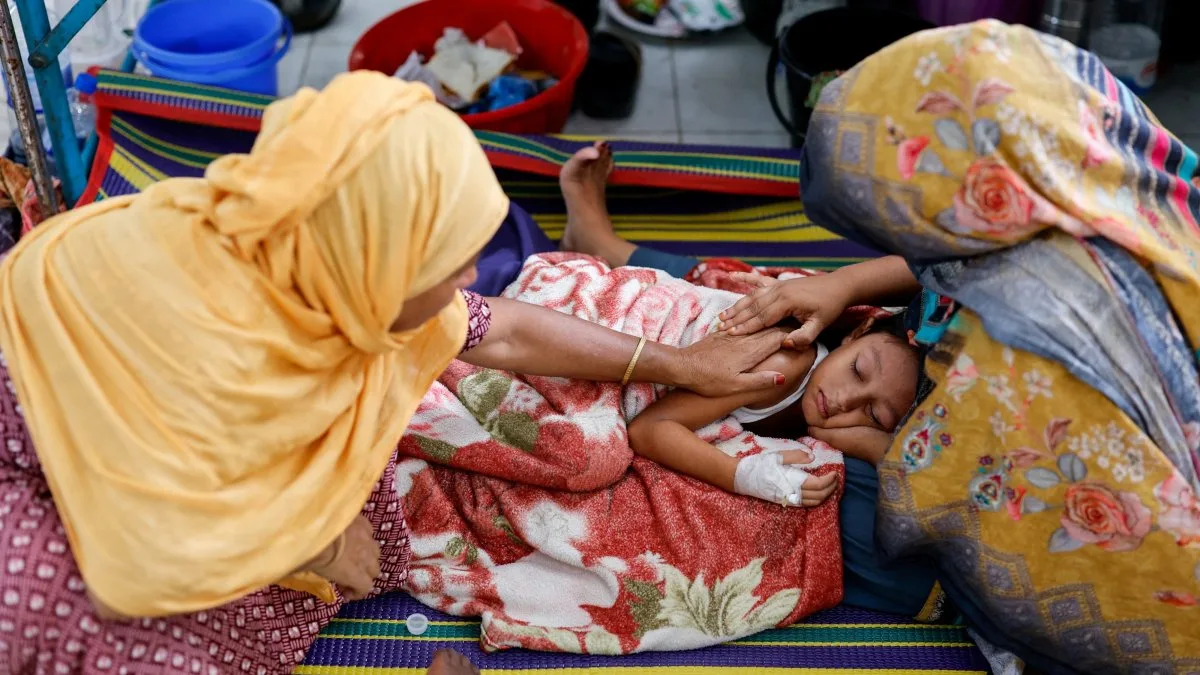
The health risks associated with this weather pattern have been highlighted by experts who warn that stagnant water can become a breeding ground for mosquitoes, thereby increasing the transmission of diseases like dengue and malaria. Additionally, the contamination of drinking water sources poses significant health threats, particularly in areas affected by flooding. Experts are urging residents to be vigilant for symptoms such as persistent fever, severe body aches, vomiting, and reduced urine output, and to seek timely medical intervention.
Dr. Tarun Kumar from Medanta Hospital noted that the combination of low temperatures and high humidity resulting from the rainfall could exacerbate respiratory issues and worsen chronic conditions, especially among vulnerable populations such as the elderly and those with pre-existing health conditions. He emphasized the importance of maintaining proper sanitation and mosquito control measures to mitigate these health risks.
Furthermore, Dr. Itishree Gupta, a plastic and reconstructive surgeon, cautioned that the risks associated with dengue do not vanish once the fever subsides. She explained that critical symptoms may emerge as the fever decreases, including severe abdominal pain and bleeding. The potential exposure to leptospirosis from contaminated floodwater is another serious concern, particularly for individuals with open cuts or wounds.
In light of these threats, health officials are advocating for community-level sanitation efforts, safe drinking water practices, and early diagnosis to prevent complications. They recommend that residents eliminate stagnant water, use mosquito repellents, and ensure proper hygiene practices. As the health implications of this unseasonal rainfall unfold, experts are calling for heightened awareness and proactive measures to safeguard public health.