New Insights into Precision Nutrition: Tailoring Diets for All Ages
A recent review highlights the importance of personalized nutrition across different life stages to enhance health outcomes.
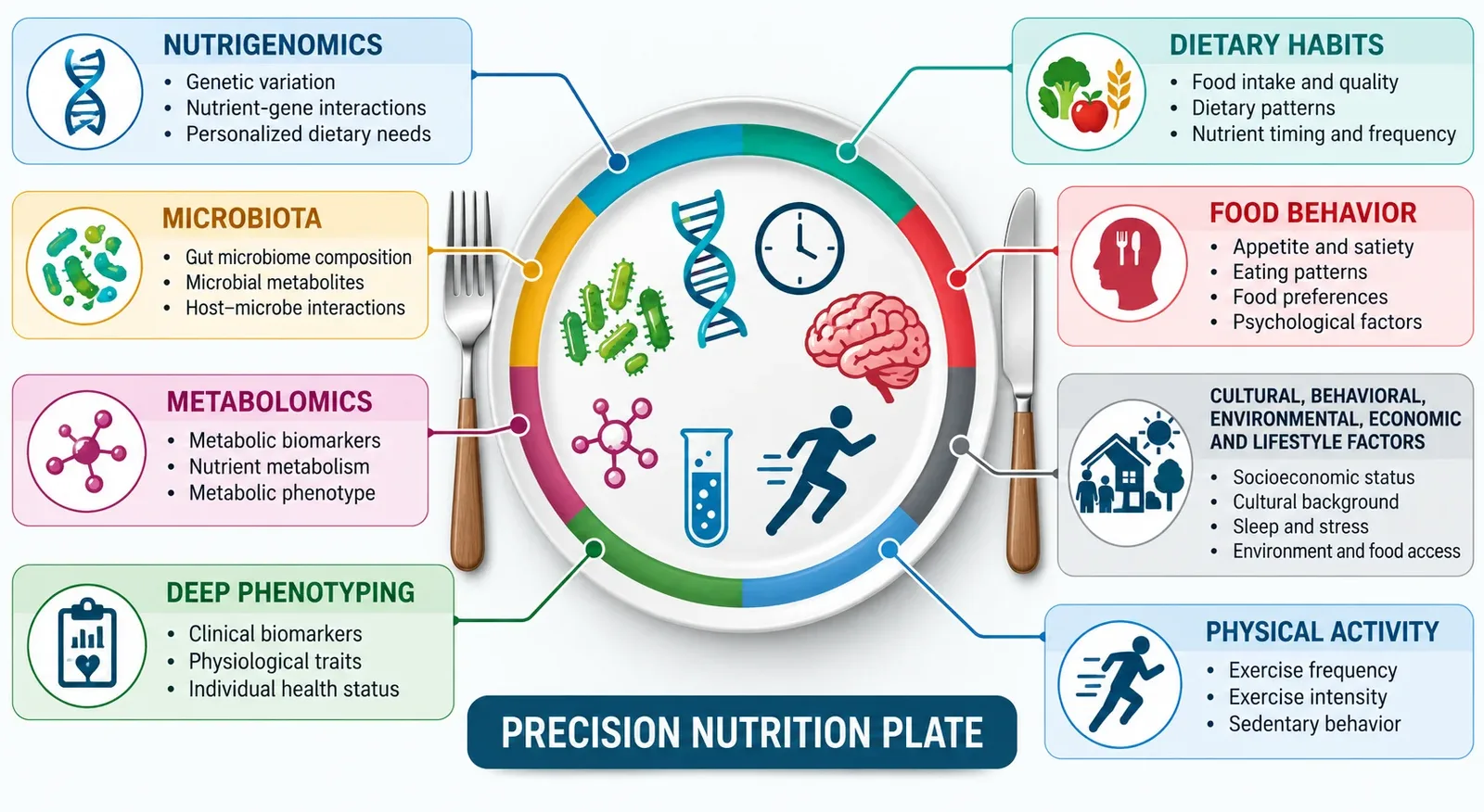
Precision nutrition emphasizes individualized dietary recommendations based on biological and lifestyle factors.
The review proposes seven pillars to guide effective nutritional interventions across various populations.
Changing nutritional needs with age necessitate tailored approaches to prevent disease and improve health.
A recent publication in the journal Nutrients sheds light on the concept of precision nutrition, emphasizing the need for personalized dietary recommendations tailored to individual biological and lifestyle factors. This review outlines seven foundational pillars aimed at enhancing health outcomes throughout the lifespan, addressing the diverse nutritional needs of various populations.
As individuals age, their nutritional requirements evolve, often accompanied by an increased risk of diseases due to declining physiological functions. The review underscores the significance of recognizing individual differences in biology and health status, advocating for nutritional interventions that cater to each person's unique needs. This approach challenges traditional one-size-fits-all dietary strategies, proposing that precision nutrition can lead to more effective and sustainable health interventions.
The researchers explored various health domains, including cardiovascular, respiratory, and metabolic health, and suggested that precision nutrition could leverage artificial intelligence and machine learning to analyze complex data sets. By integrating demographic, behavioral, and environmental factors with genetic and metabolic information, healthcare providers can develop personalized dietary strategies that reflect individual risk profiles and nutritional needs.
The implications of this research extend beyond individual health, potentially influencing public health strategies in communities. By prioritizing targeted screening and personalized interventions, especially for older adults and those with chronic conditions, precision nutrition could significantly improve health outcomes and reduce healthcare costs. The review also highlights the importance of community involvement and workforce training in implementing these tailored strategies effectively.
Looking ahead, further research is essential to validate the proposed precision nutrition approaches and their effectiveness in diverse populations. The review calls for phenotype-guided trials and standardized data methods to ensure that these innovative dietary interventions reach a broader audience, ultimately enhancing health and well-being across all life stages.