Exploring Meal Sequencing for Type 1 Diabetes Management
New research examines the potential benefits of eating carbs last for individuals with Type 1 Diabetes.
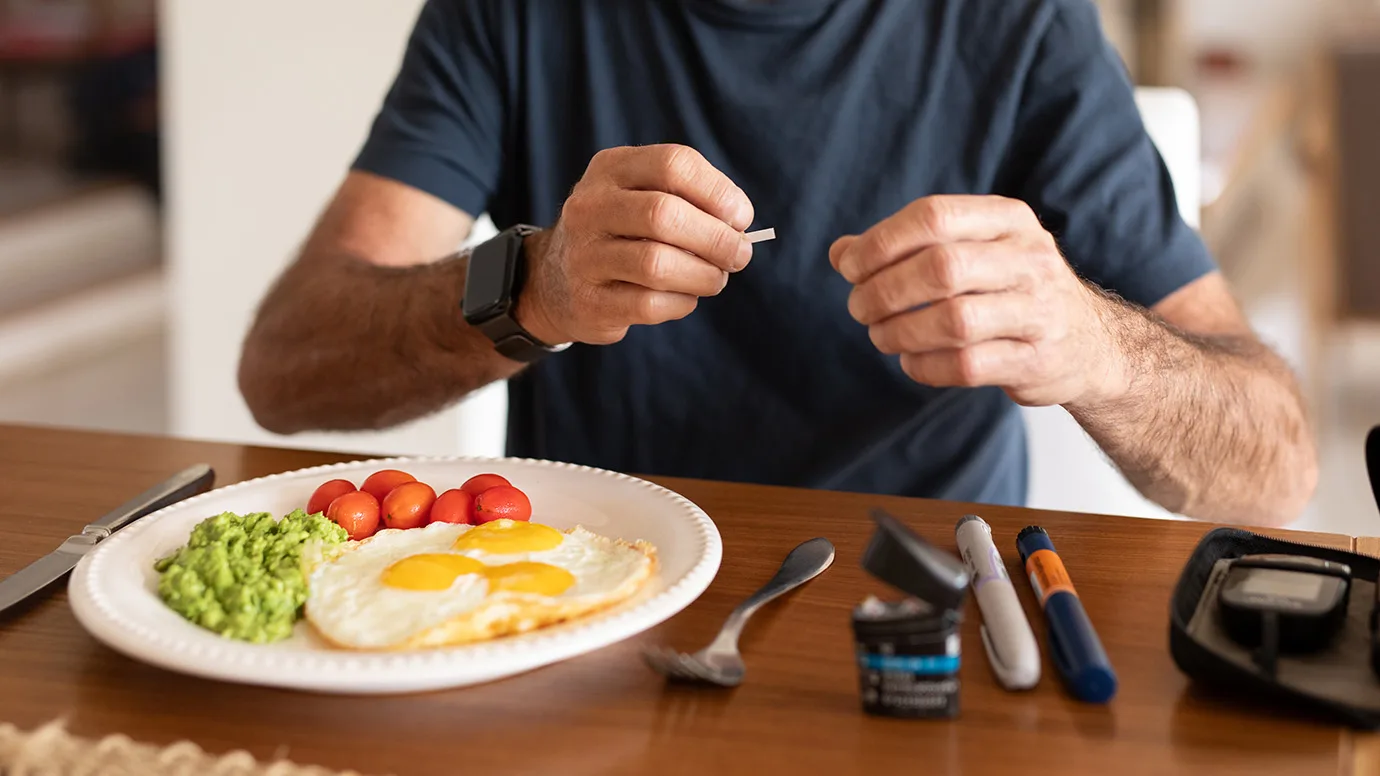
Meal sequencing may reduce blood sugar spikes post-meal for some diabetes patients.
Current studies on Type 1 Diabetes and meal sequencing are limited and inconclusive.
Consulting healthcare providers before dietary changes is crucial for safety.
Recent discussions have emerged around meal sequencing, a practice where individuals consume protein and vegetables before carbohydrates, particularly for those managing diabetes. This approach is gaining traction on social media, with claims that it can stabilize blood glucose levels after meals. However, the effectiveness of this method for individuals with Type 1 Diabetes (T1D) remains uncertain, as research in this area is still developing.
Historically, diabetes management has focused on factors such as total carbohydrate intake, glycemic index, portion sizes, and fiber consumption. While these elements have been well-studied, the concept of meal sequencing is relatively new, with researchers beginning to explore how the order of food consumption might influence blood sugar levels. In studies involving Type 2 Diabetes and prediabetes, evidence suggests that eating carbs last can significantly lower post-meal blood sugar spikes by approximately 40%-54%.
Despite promising findings in Type 2 Diabetes, the implications for T1D are not yet clear. Current research indicates that while some individuals with T1D may experience steadier blood glucose levels when consuming protein and fats before carbohydrates, more extensive studies are necessary to understand the long-term effects. A small study involving children and adolescents with T1D showed similar results, but the methodology differed significantly from typical meal sequencing practices.
Insulin management adds complexity to the conversation. For those with T1D, timing and dosage of insulin are critical, as consuming protein and fats first could delay glucose spikes, potentially leading to low blood sugar if insulin is administered too early. This necessitates careful consideration and consultation with healthcare professionals before adopting meal sequencing as a strategy for managing diabetes.
As the research continues to evolve, individuals interested in meal sequencing should first discuss their plans with healthcare providers. Testing this method safely involves monitoring blood glucose levels closely and making adjustments based on personal responses. Ultimately, what works for one person may not be effective for another, highlighting the importance of personalized diabetes management strategies.