14.6% of Indian Men Found to Have Osteoporosis, Study Reveals
A recent study highlights the rising prevalence of osteoporosis among Indian men, urging early screening to prevent fractures.
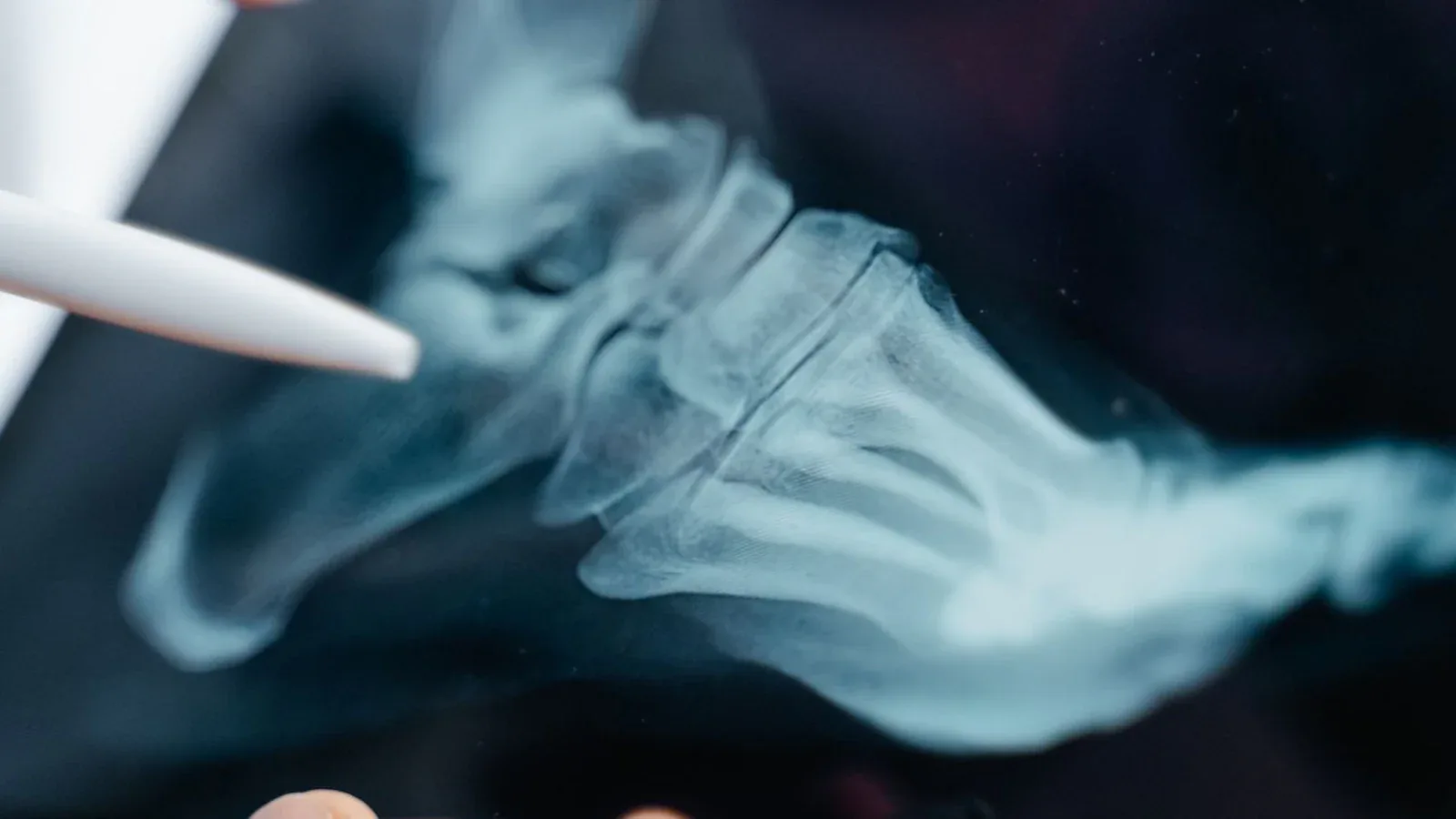
14.6% of healthy adult Indian men are estimated to have osteoporosis.
50.3% of men studied were found to have osteopenia, indicating lower bone density.
Doctors emphasize the importance of nutrition and physical activity to maintain bone health.
A recent systematic review published in the Indian Journal of Medical Research has revealed that 14.6% of healthy adult Indian men are affected by osteoporosis, a condition often overlooked in this demographic. The study, which analyzed data from 21 different research papers, also found that 50.3% of the men had osteopenia, a precursor to osteoporosis characterized by lower-than-normal bone density. The findings underscore the need for greater awareness and proactive measures regarding bone health among men, particularly as they age.
Traditionally, osteoporosis has been associated primarily with older women, especially post-menopausal. However, this new research indicates that men are also at significant risk, particularly as lifestyle factors such as poor nutrition, lack of physical activity, and environmental influences come into play. Dr. Sushil Sharma, a senior consultant at Kailash Hospital in Noida, emphasizes that osteoporosis often goes unnoticed until a fracture occurs, making it crucial for individuals to be aware of their bone health.
The systematic review included data from 1,569 men to estimate the prevalence of osteoporosis and 1,585 men for osteopenia. While these figures provide a snapshot of bone health among Indian men, researchers caution that the results may not be representative of the entire population due to variations in study methodologies. Factors such as age, hormonal changes, and lifestyle choices contribute significantly to bone density loss, necessitating regular assessments for those at risk.
As winter approaches, doctors are particularly concerned about the impact of poor air quality on outdoor physical activity, which is vital for maintaining bone health. While pollution has not been directly linked to osteoporosis, it can hinder exercise routines that support bone strength. Dr. Aakar Kapoor, a radiologist, notes that sedentary lifestyles, especially among working professionals, can exacerbate bone health issues. Therefore, it is essential to find alternative ways to stay active, such as indoor exercises when outdoor conditions are unfavorable.
Looking ahead, healthcare professionals recommend that individuals, especially older adults and those with risk factors, consult their doctors about bone density testing. Regular screenings can help detect osteoporosis early, allowing for timely interventions. Maintaining a balanced diet rich in calcium and vitamin D, along with engaging in weight-bearing exercises, can significantly reduce the risk of fractures and promote overall bone health. The findings from this study serve as a wake-up call for Indian men to prioritize their bone health and seek appropriate medical guidance.