New Insights into Pancreatic Cancer's DNA Adaptation Revealed
Researchers uncover mechanisms behind pancreatic cancer's ability to evade treatment by reshaping its genetic structure.
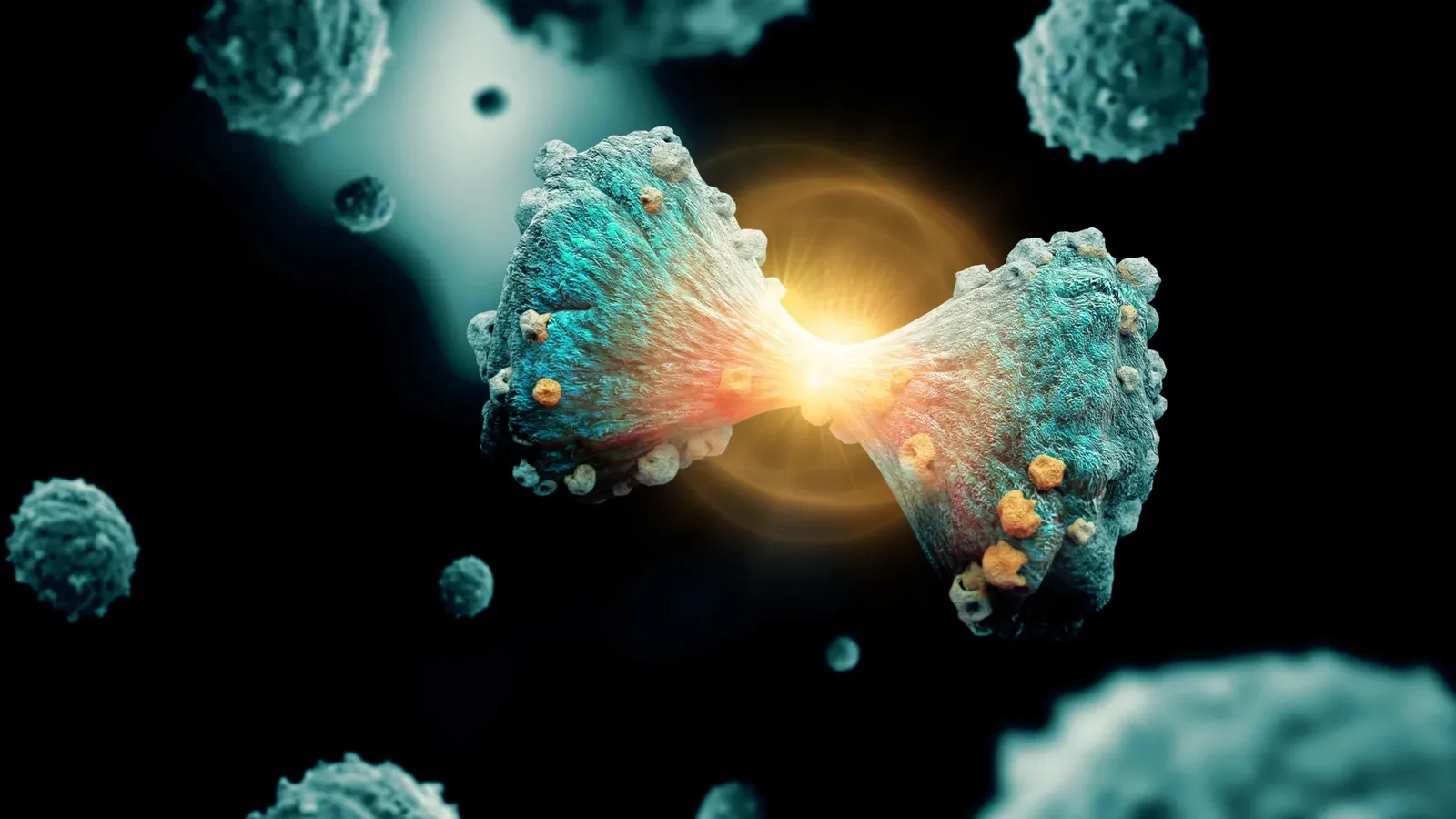
Study identifies genetic changes in pancreatic cancer cells that enhance aggressiveness and treatment resistance.
Blocking the MYC gene in aggressive cancer cells can revert them to a less aggressive state.
Findings highlight the importance of individual cell analysis in understanding tumor evolution.
On October 25, 2026, scientists from NYU Langone Health published groundbreaking findings on pancreatic cancer, revealing how the disease's cells continuously alter their genetic structure to become more aggressive and resistant to treatment. This research, focusing on pancreatic ductal adenocarcinoma, a particularly lethal form of cancer, involved examining nearly half a million individual cancer cells, providing insights into the disease's adaptability and resilience.
Historically, pancreatic cancer has been notoriously difficult to treat, with approximately 85% of patients succumbing within five years of diagnosis. Previous studies have identified several genes linked to the disease, but the mechanisms behind its progression and adaptation remain largely elusive. By analyzing individual tumor cells rather than large groups, researchers gained a clearer understanding of how distinct populations of cancer cells evolve their DNA as the disease advances.
The study revealed that pancreatic tumors consist of various cell populations, or clones, each exhibiting unique genetic characteristics and behaviors. Some clones develop mutations that enhance their ability to resist treatment, while others become more adept at invading surrounding tissues. This ongoing genetic reshaping is crucial for both the cancer's resistance to therapies and its ability to metastasize. Notably, the research identified the MYC gene as a significant factor; blocking its activity in aggressive cancer cells allowed them to revert to a less aggressive form, making them more susceptible to immune detection.
The implications of these findings are profound, not only for understanding pancreatic cancer but also for developing targeted therapies. The research suggests that therapies aimed at specific genetic mechanisms, such as MYC, could potentially slow the cancer's progression. Furthermore, the study emphasizes the need for personalized treatment approaches that consider the diverse genetic landscape of tumors.
Looking ahead, the research team plans to conduct larger studies to further explore the different states cancer cells can adopt and how treatments can be tailored accordingly. Clinical trials targeting MYC and other identified genes are already in progress, paving the way for innovative strategies to combat pancreatic cancer, a disease that continues to challenge medical science.