India's Diagnostic Market Set for Transformation by 2031
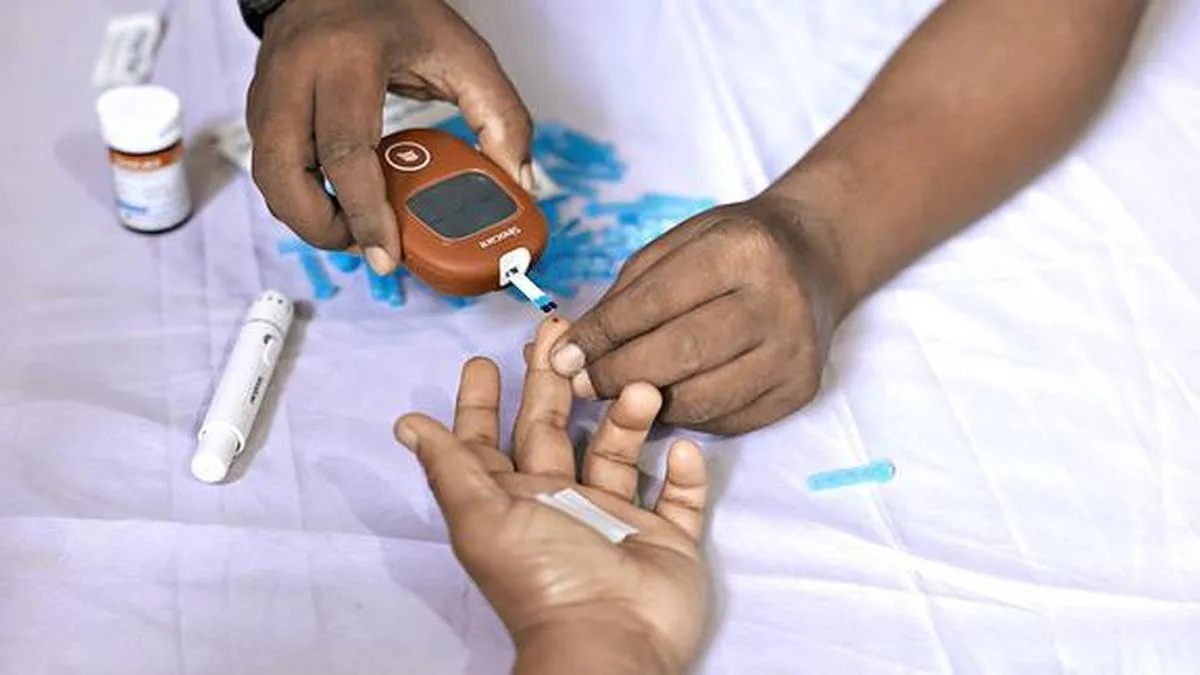
The Indian diagnostic service market is projected to grow significantly, emphasizing the importance of timely cancer diagnosis and advanced testing.

India reported 1.41 million new cancer cases in 2022, highlighting the need for improved diagnostic processes.
The diagnostic service market is expected to expand from USD 11.8 billion in 2025 to USD 22.19 billion by 2031.
AI and molecular testing are becoming crucial in enhancing diagnostic accuracy and patient outcomes.
The Indian diagnostic service market is on the brink of a significant transformation, with projections indicating a growth from USD 11.8 billion in 2025 to USD 22.19 billion by 2031. This expansion is driven by the urgent need for improved cancer diagnostics, as evidenced by the alarming statistics of 1.41 million new cancer cases and 917,000 deaths reported in 2022. With early diagnosis being crucial for patient survival, the focus is shifting towards enhancing the speed and accuracy of diagnostic processes.
A study conducted by the Indian Council of Medical Research (ICMR) revealed that patients diagnosed with breast cancer at an early stage have a five-year survival rate 4.4 times higher than those diagnosed at a later stage. However, less than 55% of patients are diagnosed at stages 0-1, compared to 68% in the United States. This discrepancy underscores the need for better awareness and screening practices in India, as well as the importance of timely and precise reporting from laboratories to oncologists.
The market is witnessing a notable shift towards complex testing, particularly in molecular diagnostics, which is expected to grow by 14.3% annually, reaching USD 510.6 million by 2030. This growth is outpacing the global average and reflects a trend towards more sophisticated testing methods that integrate various diagnostic capabilities. As organized players gain market share, there is an increasing emphasis on interpretation-heavy testing, which necessitates collaboration between laboratories, pathologists, and clinicians.
Artificial intelligence (AI) is also emerging as a vital tool in the pathology sector, with the market projected to grow from USD 1.32 million in 2024 to USD 6.38 million by 2029. The current focus is on addressing specific challenges within the diagnostic workflow, such as triaging urgent cases and providing quantitative guidance for biomarker scoring. Partnerships with technology providers are becoming essential for laboratories to enhance their capabilities and improve patient outcomes.
Looking ahead, the next five years will be critical for the Indian diagnostic landscape. Key indicators of success will include early-stage diagnoses, reduced reporting times, the introduction of new biomarkers, and the deployment of AI with clinical validation. By focusing on these areas, laboratories can significantly improve their services, particularly in Tier-II and Tier-III cities, ultimately shifting the paradigm from mere testing to intelligent, informed healthcare decisions.