India Launches First Homegrown H5N1 Vaccine for Birds
The indigenous H5N1 vaccine aims to bolster poultry health and farmer livelihoods.
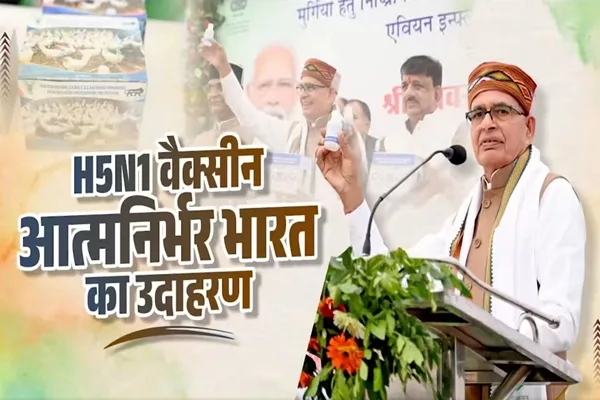
India's first H5N1 bird flu vaccine was unveiled by Agriculture Minister Shivraj Singh Chouhan.
The vaccine was developed by the ICAR-National Institute of High Security Animal Diseases in Bhopal.
This initiative is expected to enhance the poultry sector's resilience and support farmers' incomes.
On November 20, 2026, Union Minister for Agriculture and Farmers’ Welfare, Shivraj Singh Chouhan, announced the launch of India's first indigenous H5N1 bird flu vaccine. This significant development took place at the ICAR-National Institute of High Security Animal Diseases (NIHSAD) in Bhopal, marking a milestone in the country's efforts to combat avian influenza.
The Minister emphasized the importance of this vaccine as a historic achievement in the realm of animal health. He stated that it would play a crucial role in safeguarding the poultry industry, which is vital for the livelihoods of numerous farmers across the nation. The introduction of this vaccine is expected to mitigate the risks associated with bird flu outbreaks, which have previously caused substantial losses in the poultry sector.
Chouhan also took the opportunity to commend the scientists and researchers at NIHSAD for their dedication and hard work in developing this vaccine. Their efforts reflect a commitment to advancing animal health and ensuring food security in India. The vaccine's development is seen as a testament to the country's growing capabilities in biotechnology and veterinary medicine.
The implications of this vaccine extend beyond just animal health; it is anticipated to have a positive impact on the economy by stabilizing poultry production and enhancing the income of farmers. With the poultry sector being a significant contributor to the agricultural economy, the vaccine is expected to foster growth and resilience in this vital industry.
Looking ahead, the government plans to monitor the vaccine's distribution and effectiveness closely. Future initiatives may include further research into avian diseases and the development of additional vaccines to protect both livestock and public health. The successful rollout of this vaccine could pave the way for more indigenous solutions to animal health challenges in India.