Study Links Air Pollution to Accelerated Dementia Risk
New research reveals how air pollution alters brain immune cells, increasing dementia risk.
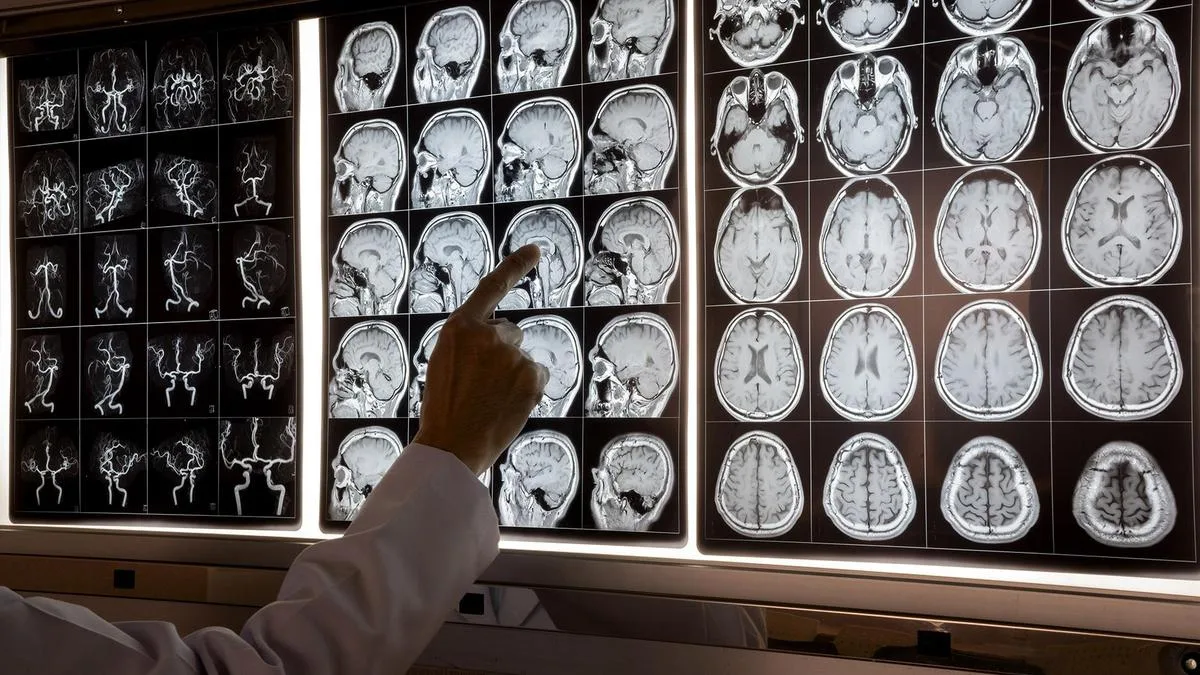
Air pollution disrupts the normal function of microglia, brain immune cells.
Individuals in polluted areas have a 25% higher risk of developing dementia.
Mice exposed to polluted air showed significant cognitive decline and brain inflammation.
A recent study has established a connection between air pollution and an increased risk of dementia by altering the functioning of microglia, the immune cells in the brain. Published in the Journal of Neuroinflammation, the research analyzed health records from nearly 500,000 individuals in the UK Biobank alongside experiments conducted on mouse models.
The research, led by Sanjay Rajagopalan, a professor at Case Western Reserve University, demonstrated that exposure to polluted air significantly changes the gene expression in microglia. These cells are crucial for maintaining brain health by clearing debris and combating infections. Rajagopalan emphasized that understanding how pollution disrupts these cells is vital for addressing the broader impacts of environmental stressors on brain health.
In the study, mice were subjected to outdoor air from Cleveland, Ohio, for five months, with particulate matter levels resembling those in the most polluted cities globally. The findings revealed that these mice developed memory issues, a compromised blood-brain barrier, and inflammation in the brain. Additionally, there was a notable decrease in the brain's chemical balance, which is essential for energy management and resilience against diseases.
The analysis further indicated that residents in the most polluted areas have a 25% higher likelihood of developing Alzheimer's disease or related dementias compared to those in cleaner regions. In genetically predisposed mice, air pollution not only caused similar cognitive impairments but also accelerated the formation of amyloid plaques, a defining characteristic of Alzheimer's disease.
The implications of this study are significant, as it highlights the neurotoxic effects of PM2.5, a common air pollutant. Co-senior author Andrew Pieper noted that this research enhances understanding of how environmental factors can exacerbate age-related brain diseases. It also paves the way for future studies aimed at identifying strategies to protect brain health amidst unavoidable environmental stressors.